

There are days when staying positive feels almost… unrealistic.
Not in a dramatic way, just quietly difficult. Like when nothing is exactly wrong, but everything feels heavy anyway.
We’ve all had those phases where advice sounds good—but doesn’t really land.
Maybe you’ve already tried journaling, motivation videos, or forcing yourself to “think positive.” And honestly, sometimes it just doesn’t stick.
That’s normal. We’re not machines.
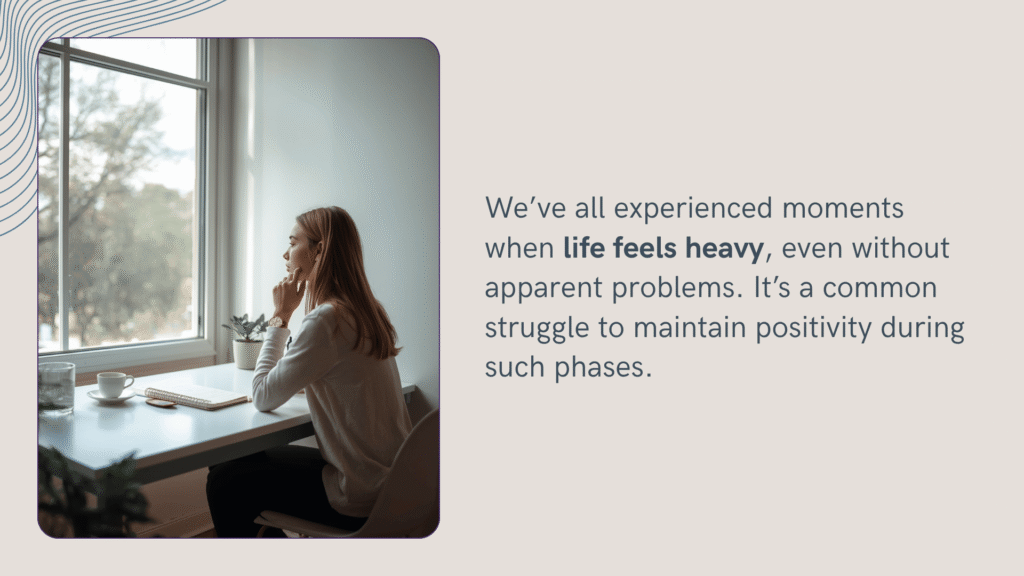
When life gets messy—stress, uncertainty, overthinking—it’s not easy to hold onto a positive mindset during hard times.
But that doesn’t mean it’s impossible either.
This isn’t about pretending everything is fine.
It’s about learning how to stay positive during tough times in a way that actually feels real… and doable.
Let’s take it step by step. No pressure.
Why It’s Hard to Stay Positive in Difficult Situations
When things go wrong, our mind doesn’t stay neutral—it usually leans negative. That’s just how we’re wired.
We start overthinking, replaying situations, imagining worst-case scenarios.
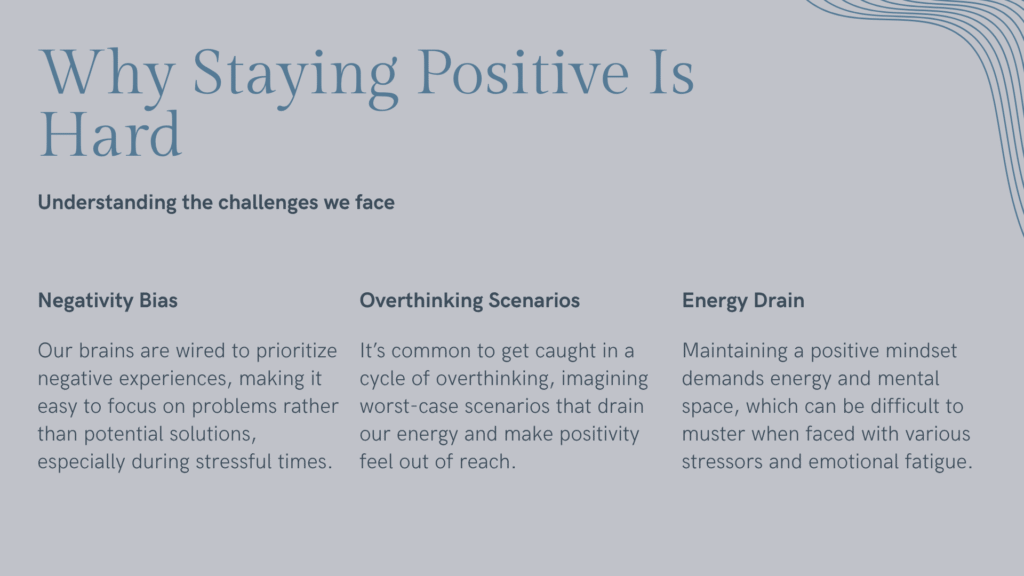
And the truth is, staying positive in difficult situations isn’t just about attitude—it’s about energy, mental space, and sometimes even physical exhaustion.
When we’re tired, overwhelmed, or emotionally drained, even small problems feel bigger than they are.
So if you’ve been struggling to stay positive, it doesn’t mean you’re weak. It just means you’re human.
Understanding why this happens helps a lot. It removes that guilt of “Why can’t I just stay positive?”
Let’s break it down a little.
Common Reasons People Struggle to Stay Positive
Sometimes it’s not one big issue—it’s a mix of small things piling up.
Work stress, relationship tension, financial pressure… it adds up quietly.
We also tend to compare ourselves with others, especially online.
Everyone else looks like they’re doing fine, and we start questioning ourselves.
Another big reason? Lack of control.
When things feel uncertain, our brain tries to predict outcomes—and usually jumps to negative ones.
Also, no one really teaches us how to think positive when stressed.
We’re told to “be positive,” but not how to actually do it in real life.
So we end up feeling stuck between knowing what to do… and not being able to do it.
Impact of Negative Thinking on Mental Health
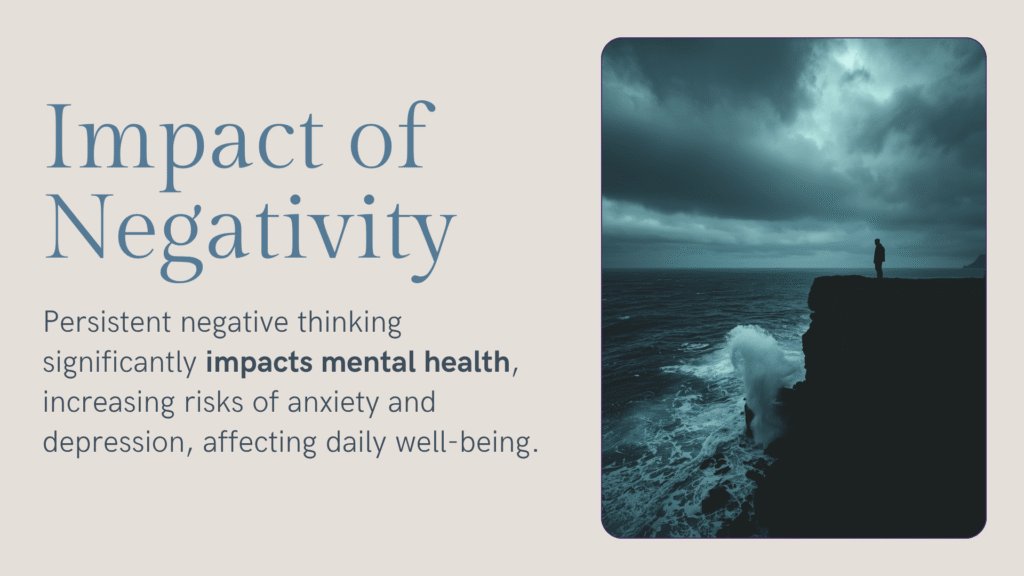
Negative thinking doesn’t always feel dramatic.
It’s often subtle—constant doubt, low energy, overthinking simple things.
Over time, it starts affecting how we see everything.
Even good moments don’t feel fully good.
We may become more irritable, withdrawn, or just mentally tired all the time.
Sleep gets affected. Focus drops.
Livisca presents the best herbal tea to help anxiety and stress relief—crafted for calm, balanced living.
Relax your mind and unwind naturally with every soothing sip.
And the hardest part? It becomes a habit.
We start expecting things to go wrong, even before they do.
That’s why learning how to stay positive during tough times isn’t just “nice to have”—it actually protects our mental health.
Why a Positive Mindset Matters During Hard Times
Being positive doesn’t mean ignoring reality.
It means handling reality without letting it break you.
A positive mindset during hard times helps us stay a little more stable.
We think clearer. How to Stay Positive During Tough Times , We react less impulsively.
It also gives us the strength to keep going, even when things aren’t improving immediately.
That matters more than we realize.
Positivity doesn’t remove problems—but it changes how we deal with them.
And sometimes, that’s enough to make things manageable.
Think of it less like “happiness”… and more like emotional balance.
Simple Tips to Stay Positive During Tough Times
Let’s keep this real—there’s no one magic trick.
But small, practical changes can make a noticeable difference over time.
We’re not trying to suddenly become super positive.
We’re just trying to feel a little better than yesterday.
If we can manage that consistently, things slowly shift.
Here are some simple ways that actually help when life feels heavy.
Focus on What You Can Control
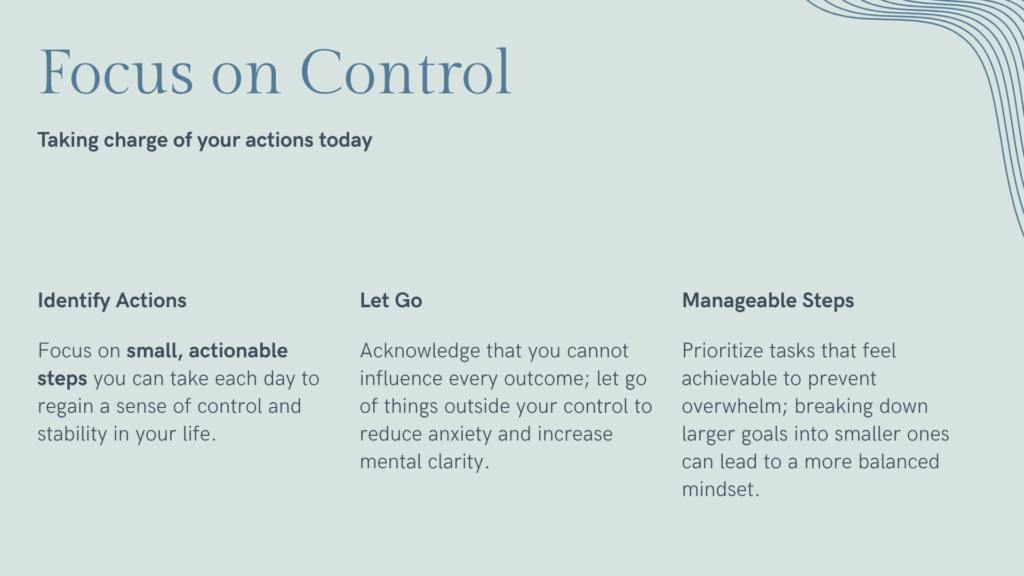
When everything feels uncertain, this is the one thing that brings stability.
How to Stay Positive During Tough Times , Instead of trying to fix everything, we narrow it down.
What can we actually do today? Not next month. Not “what if.” Just today.
Let Go of Things You Can’t Change
This is harder than it sounds.
We keep thinking about outcomes we don’t control—other people’s actions, past mistakes, future fears.
Try noticing when your mind goes there.
Not forcing it to stop… just catching it.
Livisca presents the best herbal tea to help anxiety and stress relief—crafted for calm, balanced living.
Relax your mind and unwind naturally with every soothing sip.
Sometimes just saying, “This part is not in my control,” helps create a little space.
Take Small Daily Actions
Big plans feel overwhelming when we’re already stressed.
So we go smaller.
Reply to one email. Go for a short walk. Finish one task.
That’s it.
Small actions create movement. And movement slowly builds confidence.
Practice Gratitude Daily
Gratitude can feel forced at first, especially during tough times.
But it doesn’t have to be deep or emotional.
It can be simple—something that didn’t go wrong today.
A decent meal. A quiet moment.
The point isn’t to feel amazing.
It’s just to shift attention slightly.
Simple Gratitude Exercises for Beginners
You don’t need a fancy journal.
Just mentally note 2–3 things at night.
Or send a message to someone saying thank you.
Even that counts.
Keep it simple so you actually stick to it.
Benefits of Gratitude in Stressful Situations
It slowly changes how we notice things.
We start seeing what’s okay—not just what’s wrong.
That small shift can reduce stress more than we expect.
It doesn’t fix everything, but it softens the edges a bit.
Surround Yourself with Positive Influences
Environment matters more than we admit.
If we’re constantly around negativity, it becomes normal.
And then staying positive in difficult situations feels even harder.
Avoid Negative Environments
This could be people, content, or even conversations.
If something drains you repeatedly, it’s okay to step back.
You don’t need to cut people off completely.
Just create some distance where needed.
Connect with Supportive People
Even one supportive person can make a big difference.
Someone who listens without judging or fixing everything.
If you have that, stay connected.
And if you don’t—start small. Even online communities can help.
Take Care of Your Mental and Physical Health
We often ignore basics when life gets stressful.
But sleep, food, and movement affect our mindset more than we think.
Sometimes what we call “negative thinking” is actually exhaustion.
Importance of Sleep and Exercise
Lack of sleep makes everything feel worse.
Even small issues feel overwhelming.
You don’t need a strict routine—just aim for slightly better rest.
Same with exercise. How to Stay Positive During Tough Times , Even a short walk helps.
Healthy Habits for a Positive Mind
Drink enough water.
Eat regularly.
Take breaks without guilt.
These sound basic, but they matter.
A stable body supports a more stable mind.
Learn How to Think Positive When Stressed
This is where most people struggle.
You can’t just “flip a switch” and become positive.
But you can slowly train your thinking patterns.
Replace Negative Thoughts with Positive Ones
Not fake positivity—just balanced thinking.
Instead of “Everything is going wrong,” try “This part is difficult right now.”
It sounds small, but it changes how heavy things feel.
We’re not lying to ourselves—we’re just not exaggerating negativity.
Use Mindfulness and Deep Breathing
When stress spikes, the mind races.
Breathing helps slow that down.
Even 2–3 minutes of deep breathing can reset your state a bit.
No need for complicated techniques. Just slow, steady breaths.
How to Build a Positive Mindset for Long-Term Strength
Staying positive isn’t something we achieve once.
It’s something we practice—again and again.
Some days it works. Some days it doesn’t.
That’s part of the process.
The goal isn’t perfection. It’s consistency.
Develop Daily Habits for Positive Thinking
Habits shape how we respond without thinking. How to Stay Positive During Tough Times.
Small habits—like morning silence, short walks, or limiting negative content—add up.
You don’t need 10 habits.
Start with one or two that feel realistic.
Over time, these become your default responses.
And that’s when change actually sticks.
Stay Consistent with Self-Motivation
Motivation isn’t always there.
So we rely less on feeling motivated… and more on showing up anyway.
Some days you’ll do the bare minimum. How to Stay Positive During Tough Times That’s okay.
Consistency matters more than intensity.
Even on low-energy days, doing something small keeps the momentum alive.
Turn Challenges into Growth Opportunities
This one sounds cliché—but in real life, it’s messy.
Growth doesn’t feel good while it’s happening.
It usually feels confusing, uncomfortable, slow.
But later, we realize we handled something we couldn’t before.
That shift builds confidence—not instantly, but gradually.
Stay Positive in Difficult Situations with Practice
At first, it feels forced.
You’ll catch negative thoughts late, not early.
But slowly, you start noticing patterns sooner.
You pause more. React less.
That’s progress—even if it doesn’t feel like it.
Learning how to stay positive during tough times isn’t about always feeling good.
It’s about not falling apart every time things get hard.
And honestly… that’s more than enough.
