

Introduction
Healthy eating is not about following strict diets or giving up your favorite foods. Instead, it is about creating balanced meals that provide your body with the nutrients it needs to stay energized, maintain a healthy weight, and support overall well-being. A balanced plate is one of the simplest and most effective ways to improve your diet without counting calories or following complicated meal plans.
Whether you are preparing breakfast, lunch, or dinner, understanding how to balance your plate can help you make healthier choices every day. By including the right combination of vegetables, proteins, whole grains, and healthy fats, you can enjoy satisfying meals while supporting long-term health.
What Is a Balanced Plate?
A balanced plate is a meal that contains a variety of nutrient-rich foods in the right proportions. Instead of focusing on individual nutrients, this approach encourages eating a mix of food groups that work together to provide vitamins, minerals, fiber, protein, and healthy fats.
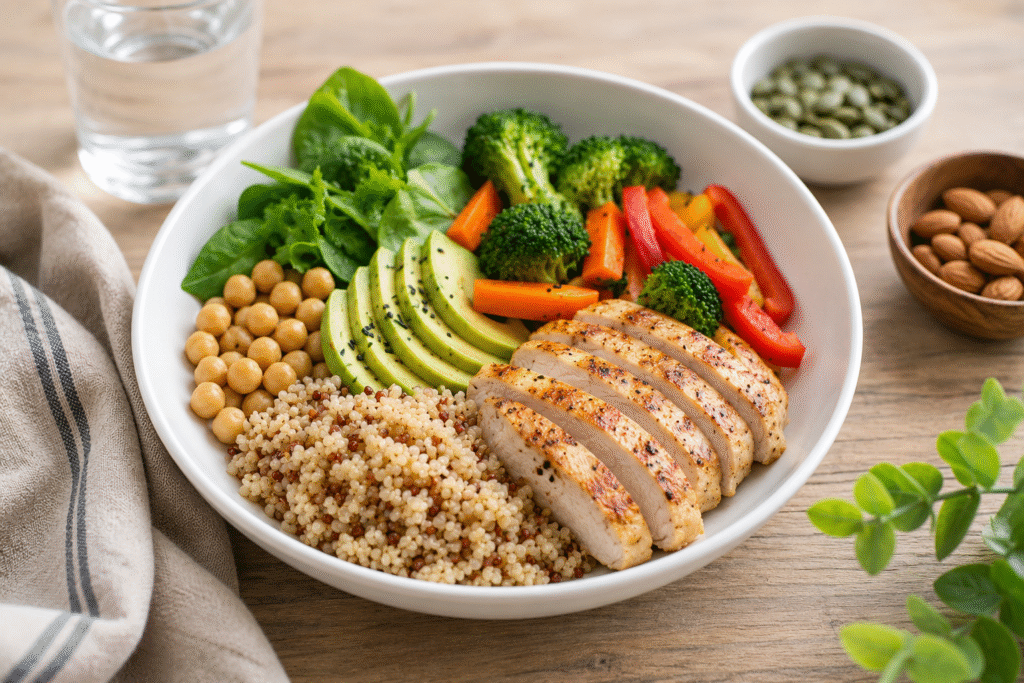
A simple guideline for building a balanced plate includes filling half of your plate with vegetables and fruits, one-quarter with lean protein, and one-quarter with whole grains or healthy carbohydrates. Adding a small portion of healthy fats completes the meal and helps your body absorb essential nutrients.
Why Eating a Balanced Plate Matters
The foods you eat directly affect your energy levels, immune system, digestion, heart health, and mental well-being. When meals are balanced, your body receives a steady supply of nutrients that support daily activities and reduce the risk of nutritional deficiencies.
Balanced meals also help regulate blood sugar levels, keep you feeling full for longer, improve concentration, and reduce unnecessary snacking between meals. Over time, these healthy eating habits can lower the risk of obesity, type 2 diabetes, high blood pressure, and other lifestyle-related diseases.
Fill Half Your Plate with Vegetables and Fruits
Vegetables and fruits should form the largest portion of every meal because they are packed with vitamins, minerals, antioxidants, and dietary fiber. They are naturally low in calories while providing nutrients that support immunity, digestion, and overall health.
Choose a variety of colorful vegetables such as spinach, broccoli, carrots, tomatoes, bell peppers, cucumbers, and cauliflower. Fruits like apples, oranges, berries, bananas, and papaya also make nutritious additions to your daily diet. Eating a wide range of colors ensures your body receives different beneficial nutrients.
Include Lean Protein in Every Meal
Protein plays an essential role in building and repairing tissues, maintaining muscle mass, supporting the immune system, and keeping you satisfied after eating. Including a quality protein source in every meal can also help control hunger and maintain stable energy levels.
Healthy protein options include eggs, chicken, fish, lentils, beans, chickpeas, tofu, paneer, yogurt, and low-fat dairy products. Rotating between plant-based and animal-based protein sources can provide a broader range of nutrients while adding variety to your meals.
Choose Whole Grains Instead of Refined Carbohydrates
Carbohydrates are your body’s primary source of energy, but choosing the right type makes a significant difference. Whole grains contain more fiber, vitamins, and minerals than refined grains, making them a healthier option.
Brown rice, whole wheat chapati, oats, quinoa, millet, barley, and whole-grain bread are excellent choices. These foods digest more slowly, helping you stay full longer and preventing sudden spikes in blood sugar.
Don’t Forget Healthy Fats
Many people avoid fats, believing they are unhealthy, but your body actually needs healthy fats for brain function, hormone production, and the absorption of vitamins A, D, E, and K.
Good sources of healthy fats include avocados, nuts, seeds, olive oil, mustard oil, flaxseeds, walnuts, and fatty fish like salmon. The key is moderation, as healthy fats are nutrient-dense and provide more calories than proteins or carbohydrates.
Stay Hydrated Throughout the Day
Building a balanced plate is only one part of healthy eating. Drinking enough water is equally important for maintaining digestion, circulation, body temperature, and energy levels.
Most adults benefit from drinking enough fluids throughout the day, though individual needs vary depending on activity level, climate, and health conditions. Water should be your primary beverage, while sugary drinks and excessive sweetened beverages are best limited.
Practice Portion Control
Even nutritious foods should be eaten in appropriate portions. Overeating healthy foods can still lead to excess calorie intake. Learning to recognize hunger and fullness cues helps prevent overeating while allowing you to enjoy your meals.
Using smaller plates, eating slowly, and avoiding distractions like television or mobile phones during meals can make it easier to practice mindful eating. Taking time to chew food properly also improves digestion and satisfaction.
Simple Balanced Plate Ideas
Creating balanced meals does not have to be complicated. A breakfast could include oatmeal topped with fruits and nuts alongside a serving of yogurt. Lunch might consist of grilled chicken or lentils, brown rice, and a generous serving of mixed vegetables. Dinner could feature whole wheat chapati with paneer or fish, accompanied by fresh salad and cooked vegetables.
Healthy snacks such as fresh fruit, roasted chickpeas, unsalted nuts, or yogurt can help maintain energy between meals without relying on processed foods.
Common Mistakes to Avoid
Many people unknowingly make small mistakes that reduce the nutritional quality of their meals. Skipping vegetables, relying heavily on processed foods, consuming sugary drinks, eating oversized portions, or skipping meals altogether can negatively affect overall health.
Another common mistake is eliminating entire food groups without medical advice. Unless recommended by a healthcare professional, most people benefit from eating a variety of foods rather than following overly restrictive diets.
Conclusion
Building a balanced plate for every meal is a practical and sustainable way to improve your overall health. By combining colorful vegetables, lean proteins, whole grains, healthy fats, and proper hydration, you can create meals that nourish your body and support long-term wellness.
Healthy eating is not about perfection—it is about making consistent, informed choices every day. Small improvements, such as adding an extra serving of vegetables, choosing whole grains over refined options, or including a quality protein source, can make a meaningful difference over time. With regular practice, building a balanced plate becomes a natural habit that helps you feel healthier, more energized, and better prepared for the demands of daily life.
