

Stress has become a part of modern life. Whether it is work pressure, academic responsibilities, financial concerns, or personal challenges, everyone experiences stress at some point. While a small amount of stress can motivate us to perform better, chronic stress can negatively affect both physical and mental health. It may lead to anxiety, sleep disturbances, weakened immunity, headaches, digestive problems, and an increased risk of heart disease. The good news is that science has identified several effective techniques that can help manage stress naturally. By practicing these habits consistently, you can improve your overall well-being and lead a healthier, more balanced life.
Practice Mindfulness and Meditation
Mindfulness is one of the most researched stress management techniques. It involves paying attention to the present moment without judgment. Scientific studies have shown that mindfulness meditation can reduce cortisol, the body’s primary stress hormone, while improving emotional resilience and mental clarity. Even spending just 10 to 15 minutes a day practicing mindful breathing or guided meditation can help calm the nervous system, reduce anxiety, and improve focus. Consistency is more important than duration, making mindfulness an easy habit to include in your daily routine.
Stay Physically Active
Regular exercise is one of the most effective natural stress relievers. Physical activity stimulates the release of endorphins, often called the body’s natural feel-good chemicals. Exercise also helps regulate cortisol levels, improves sleep quality, and enhances overall mood. Activities such as brisk walking, cycling, swimming, dancing, yoga, or strength training can all contribute to better stress management. Experts recommend at least 150 minutes of moderate physical activity each week for optimal physical and mental health.
Prioritize Quality Sleep
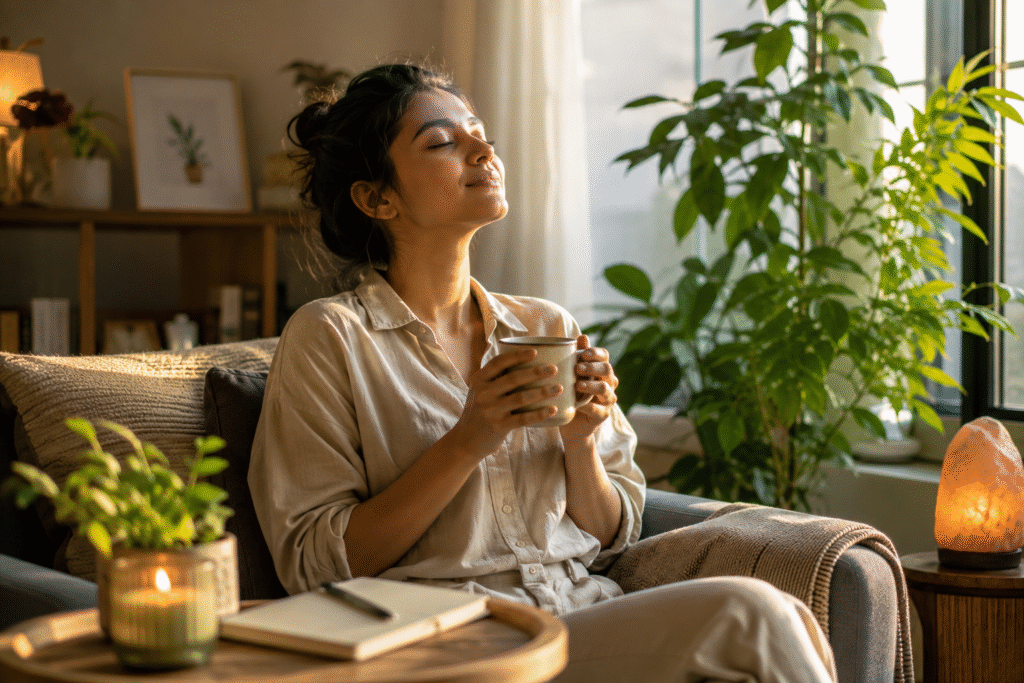
Lack of sleep and stress often create a harmful cycle. Poor sleep increases stress hormones, while stress makes it difficult to fall asleep. Maintaining a regular sleep schedule, avoiding screens before bedtime, limiting caffeine in the evening, and creating a relaxing bedtime routine can significantly improve sleep quality. Adults should aim for seven to nine hours of quality sleep each night. Better sleep allows the body and mind to recover, improving emotional stability and reducing daily stress levels.
Use Deep Breathing and Relaxation Techniques
Deep breathing is a simple yet powerful way to activate the body’s relaxation response. Slow diaphragmatic breathing, progressive muscle relaxation, and guided imagery help slow the heart rate and reduce muscle tension. Research has shown that these relaxation techniques can lower cortisol levels and promote a sense of calm. Practicing deep breathing for five to ten minutes during stressful situations can make a noticeable difference in how your body responds to pressure.
Spend Time in Nature
Nature has a remarkable ability to reduce stress and improve mental well-being. Studies have found that spending time in parks, gardens, forests, or other green spaces can reduce cortisol levels and improve mood. A short walk outdoors, gardening, or simply sitting in a peaceful natural environment allows the brain to recover from mental fatigue. Spending even twenty minutes in nature several times a week can have positive effects on emotional health.
Maintain a Balanced and Nutritious Diet
Nutrition plays an important role in stress management. A diet rich in fruits, vegetables, whole grains, lean proteins, healthy fats, and adequate hydration supports healthy brain function and energy levels. Limiting processed foods, excessive sugar, alcohol, and caffeine may also help reduce stress-related symptoms. Certain herbal beverages can complement a healthy lifestyle by providing a calming daily ritual, although they should not replace medical treatment when needed.
Build Strong Social Connections
Humans are naturally social beings, and supportive relationships can help reduce stress. Talking to trusted family members, friends, or colleagues provides emotional support and different perspectives during difficult times. Positive social interactions can increase the release of oxytocin, a hormone associated with feelings of trust and relaxation. Making time for meaningful conversations and shared activities can strengthen emotional resilience and improve overall happiness.
Limit Digital Overload
Constant exposure to emails, social media notifications, and news updates can contribute to mental fatigue and anxiety. Setting boundaries for screen time, taking regular digital breaks, and avoiding unnecessary phone use before bedtime can reduce stress and improve concentration. Replacing screen time with hobbies such as reading, painting, music, or outdoor activities provides the brain with an opportunity to relax and recharge.
Consider a Relaxing Tea Ritual
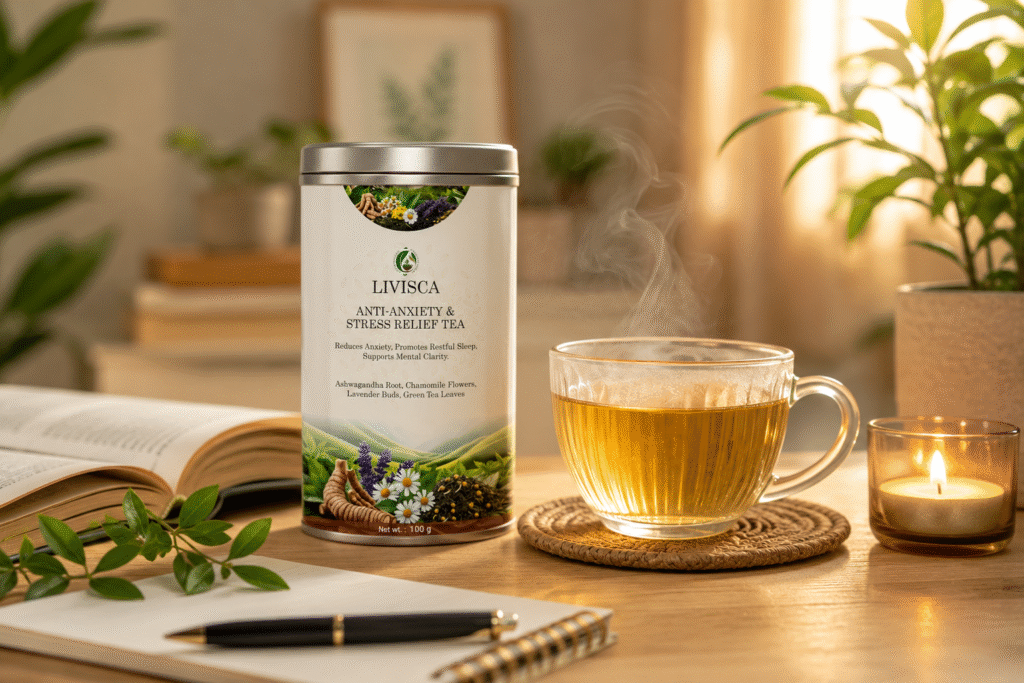
Creating small daily rituals can help signal the brain that it is time to unwind. Enjoying a warm cup of herbal tea during the evening can become part of a calming routine alongside mindfulness, reading, or meditation. For those looking for a soothing herbal option, Livisca Anti-Anxiety Stress Green Tea can be included as part of a balanced wellness lifestyle. Prepared with carefully selected herbs and green tea, it can complement relaxation practices and encourage moments of calm during a busy day. However, it should be viewed as a supportive lifestyle choice rather than a substitute for professional medical care or treatment for anxiety disorders.
Know When to Seek Professional Help
While lifestyle changes are highly effective for managing everyday stress, persistent stress, anxiety, or depression may require professional support. If stress begins to interfere with work, relationships, sleep, or daily functioning, consulting a healthcare professional or mental health specialist is important. Therapy, counseling, and evidence-based treatments can provide valuable tools for long-term emotional well-being.
Conclusion
Managing stress is not about eliminating challenges from life but learning healthy ways to respond to them. Scientific research consistently supports techniques such as mindfulness, regular exercise, quality sleep, deep breathing, spending time in nature, maintaining a nutritious diet, and building strong social connections as effective methods for reducing stress. Small daily habits often produce the greatest long-term results when practiced consistently.
Adding a relaxing wellness routine, such as enjoying Livisca Anti-Anxiety Stress Green Tea alongside mindfulness or evening relaxation, can further support a balanced lifestyle. Combined with healthy habits and professional guidance when needed, these science-backed techniques can help you build resilience, improve emotional well-being, and enjoy a healthier, less stressful life.
