

As we enter our 30s, our bodies begin to change in subtle but important ways. One of the most significant changes is that bone mass reaches its peak around the age of 30. After this point, the body gradually starts losing more bone than it builds, making it essential to adopt healthy habits that support strong bones for years to come.
The good news is that maintaining healthy bones doesn’t require complicated routines. With the right nutrition, regular physical activity, quality sleep, and healthy lifestyle choices, you can naturally protect your bone strength and reduce the risk of osteoporosis and fractures later in life.
Why Bone Health Matters After 30
Bones are living tissues that constantly rebuild themselves. During childhood and early adulthood, new bone is created faster than old bone is removed. However, after the age of 30, this balance slowly shifts. If bone loss continues faster than bone formation over many years, it can lead to weaker bones and increase the risk of fractures.
Women, especially after menopause, are at a higher risk because declining estrogen levels can accelerate bone loss. Men are also affected by age-related bone changes, making bone care important for everyone.
Eat a Calcium-Rich Diet
Calcium is one of the primary building blocks of healthy bones. Your body cannot produce calcium on its own, so it must come from your daily diet.
Excellent sources of calcium include milk, yogurt, cheese, leafy green vegetables, sesame seeds, almonds, tofu, and calcium-fortified foods. Consuming a balanced diet with adequate calcium supports healthy bone maintenance throughout adulthood.
Instead of relying on supplements without medical advice, aim to meet your calcium needs through nutritious foods whenever possible.
Get Enough Vitamin D
Vitamin D helps your body absorb calcium efficiently. Without enough vitamin D, even a calcium-rich diet may not provide maximum benefits.
Natural sunlight remains one of the best sources of vitamin D. Spending 15 to 30 minutes outdoors several times a week, depending on your skin type and local climate, can help maintain healthy vitamin D levels. Fatty fish, egg yolks, mushrooms, and fortified dairy products also contribute to your daily intake.
If you suspect a deficiency, consult your healthcare provider before taking supplements.
Prioritize Protein for Strong Bones
Many people associate bone health only with calcium, but protein is equally important. Bones contain collagen, a protein that provides flexibility and strength. A balanced diet that includes beans, lentils, eggs, dairy products, fish, poultry, soy products, and nuts supports healthy bone structure. Research suggests that adequate protein intake, together with sufficient calcium and vitamin D, helps maintain bone density.
Stay Physically Active
Exercise is one of the most effective natural ways to strengthen bones. Weight-bearing and resistance exercises stimulate bone remodeling, helping bones stay stronger as you age.
Walking, jogging, climbing stairs, dancing, hiking, resistance band workouts, bodyweight exercises, and strength training all contribute to better bone health. Regular physical activity also improves muscle strength, balance, and coordination, reducing the risk of falls and fractures.
Aim for at least 150 minutes of moderate physical activity each week, including strength training two to three times weekly.
Maintain a Balanced Diet
Bone health depends on more than calcium alone. Nutrients such as magnesium, phosphorus, potassium, vitamin K, zinc, and healthy fats all play supporting roles.
A diet rich in fruits, vegetables, whole grains, legumes, nuts, seeds, fish, and low-fat dairy has been associated with healthier bones and a lower risk of fractures. Limiting processed foods, sugary drinks, and excessive salt can also benefit long-term bone health.
Support Joint Health Naturally
Healthy joints make it easier to stay active, and regular movement is essential for maintaining strong bones. Chronic inflammation may contribute to joint discomfort, making daily exercise more difficult.
Including anti-inflammatory foods such as leafy greens, berries, turmeric, ginger, olive oil, and omega-3-rich foods may help support joint comfort as part of a healthy diet.
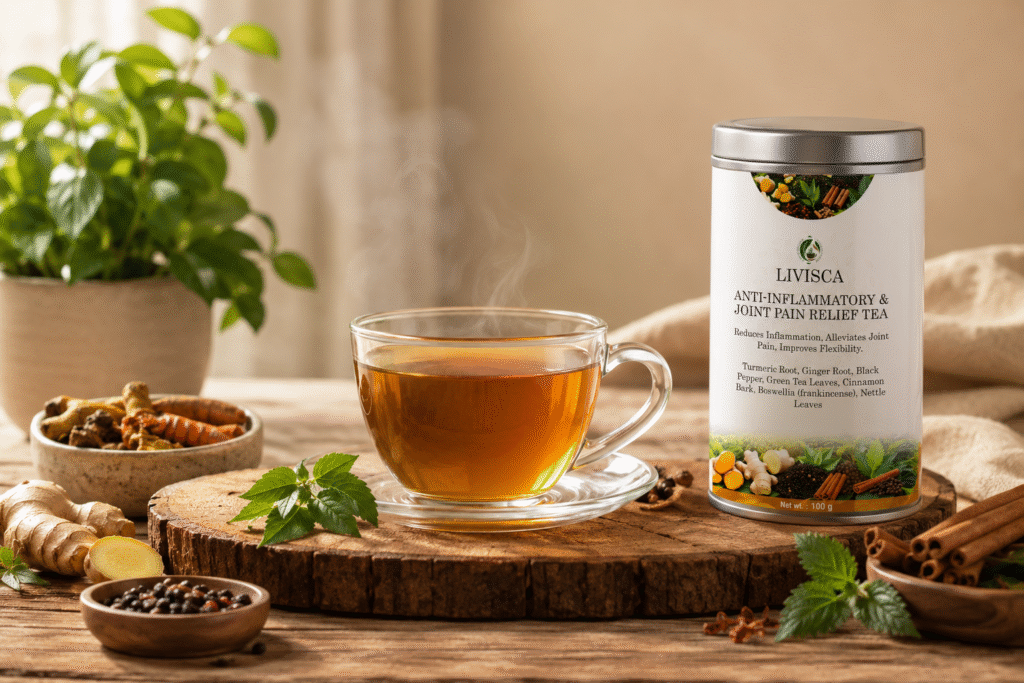
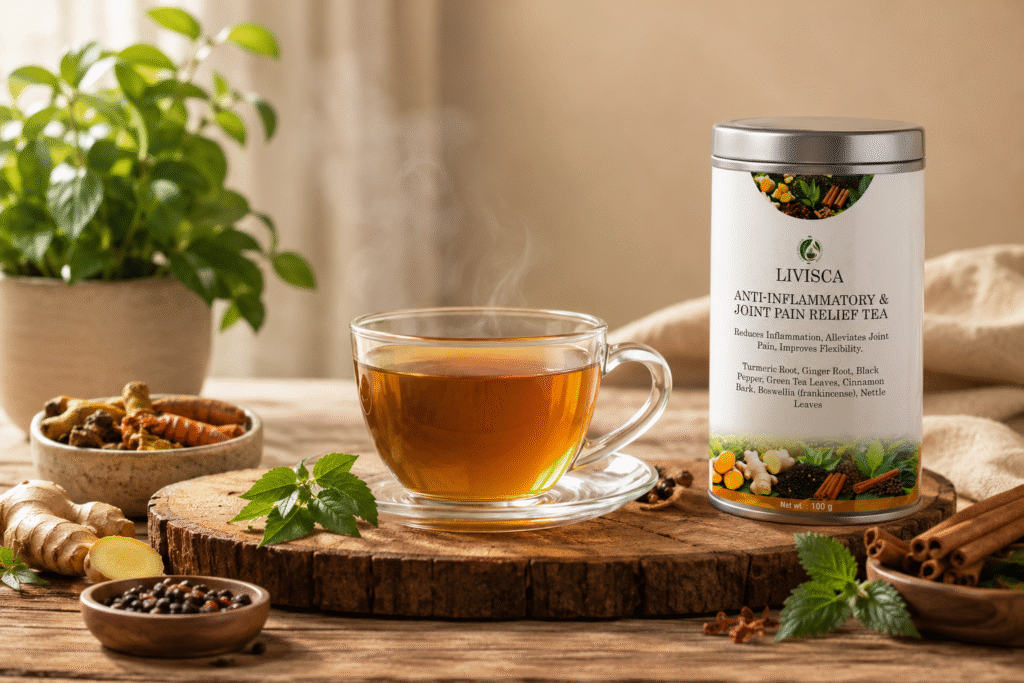
You can also consider adding Livisca Tea Anti-Inflammatory & Joint Pain Relief Tea to your daily wellness routine. Made with carefully selected herbal ingredients, it is designed to support joint comfort and promote overall well-being. While herbal teas are not a substitute for medical treatment, they can complement a healthy lifestyle focused on staying active and maintaining mobility.
Avoid Habits That Weaken Bones
Certain lifestyle habits can gradually reduce bone strength over time. Smoking, excessive alcohol consumption, prolonged physical inactivity, and poor nutrition are all linked to reduced bone density.
Maintaining a healthy body weight is equally important. Being underweight may increase fracture risk, while excessive body weight can place additional stress on joints. A balanced lifestyle supports both bone and overall health.
Get Enough Sleep and Manage Stress
Quality sleep allows the body to repair tissues and regulate hormones involved in bone remodeling. Adults should aim for seven to nine hours of sleep each night.
Chronic stress may indirectly affect bone health by influencing hormone levels and encouraging unhealthy habits such as poor eating patterns or inactivity. Meditation, deep breathing, yoga, and spending time outdoors can help reduce stress and improve overall wellness.
Know When to Get a Bone Health Check
If you have a family history of osteoporosis, have experienced frequent fractures, have long-term medical conditions, or take medications that affect bone health, discuss bone density testing with your healthcare provider.
Early identification of bone loss allows timely lifestyle changes and treatment when necessary, helping reduce the risk of future complications.
Conclusion
Strong bones are built through consistent healthy habits rather than quick fixes. After the age of 30, focusing on a nutrient-rich diet, regular exercise, adequate sunlight, quality sleep, and healthy lifestyle choices can significantly improve bone health naturally.
Supporting your joints is equally important because pain-free movement encourages regular physical activity. Including healthy foods along with options such as Livisca Tea Anti-Inflammatory & Joint Pain Relief Tea as part of your daily wellness routine may help support joint comfort while complementing an active lifestyle.
By taking care of your bones today, you invest in better mobility, independence, and overall quality of life for the years ahead.
