

Do you spend your nights tossing and turning, staring at the ceiling, and checking the clock every few minutes? You are not alone. Millions of people struggle to get a good night’s rest every single evening.
Sleep is not a luxury; it is a fundamental need for your body and mind. When you do not sleep well, your energy drops, your mood suffers, and your focus disappears. Fortunately, simple changes to your nightly routine can make a dramatic difference.
In this comprehensive guide, we will explore evening habits that improve sleep, why sleep hygiene matters, and how you can transform your night for a healthier, more vibrant life.
What is Evening Sleep Hygiene?
Sleep hygiene refers to healthy habits, behaviors, and environmental factors that help you get a good night’s sleep. When we talk about evening sleep hygiene, we mean the specific routines you follow during the 2 to 3 hours before you go to bed.
Your body operates on an internal 24-hour clock known as the circadian rhythm (your natural body clock). This internal clock relies on environmental cues—such as light, temperature, and activity levels—to signal when it is time to wake up and when it is time to wind down.
When you practice consistent evening habits that improve sleep, you train your brain to recognize when bedtime is approaching. This prompts your brain to release melatonin (the primary sleep hormone), making it significantly easier to drift off naturally.
Causes of Poor Nighttime Sleep
To fix your sleep, it helps to understand why you might be having trouble in the first place. Many daily routines silently sabotage your rest. Here are the primary causes of poor nighttime sleep:
- High stress and anxiety: An active mind releases cortisol (a stress hormone), keeping your brain alert when it should be relaxing.
- Blue light exposure: Screens emit artificial light that tricks your brain into thinking it is still daytime, blocking melatonin production.
- Irregular sleep schedules: Going to bed and waking up at completely different times every day confuses your internal body clock.
- Late-night heavy meals: Eating large or spicy meals right before bed causes indigestion and keeps your digestive system working overnight.
- Late caffeine or alcohol consumption: Caffeine stays in your bloodstream for hours, while alcohol disrupts your deep sleep cycles later in the night.
- Uncomfortable environment: A room that is too hot, noisy, or bright prevents your body from settling into deep rest.
Types of Sleep Disturbances
Sleep issues manifest differently depending on the individual. Recognizing which type of disturbance you experience helps you tailor your evening routine effectively:
1. Onset Insomnia
This occurs when you have difficulty falling asleep at the beginning of the night. You may lay in bed awake for 30 to 60 minutes or longer, feeling alert or anxious.
2. Maintenance Insomnia
People with maintenance insomnia fall asleep without issue, but they wake up in the middle of the night and struggle to fall back asleep.
3. Early Morning Awakening
This involves waking up far earlier than intended (such as 3:00 AM or 4:00 AM) without the ability to drift back to sleep, leading to unfinished sleep cycles.
4. Non-Restorative Sleep
You may sleep for 7 to 8 hours, yet you wake up feeling unrefreshed, fatigued, and sluggish throughout the day.
Signs and Symptoms of Poor Sleep
How do you know if your sleep quality is lacking? Pay attention to these common warning signs:
- Daytime fatigue: Feeling constantly exhausted or sleepy during work or daily tasks.
- Brain fog: Difficulty concentrating, remembering details, or making simple decisions.
- Irritability: Mood swings, heightened anxiety, or feeling easily overwhelmed by minor daily stressors.
- Slow reaction times: Feeling clumsy or sluggish during physical activities or driving.
- Frequent cravings: Increased appetite, especially for high-sugar or high-carbohydrate comfort foods.
- Physical symptoms: Frequent tension headaches, dark circles under your eyes, or a weakened immune system.
Risk Factors for Sleep Problems
While anyone can experience a rough night, certain factors increase your likelihood of chronic sleep issues:
- Shift work: Working non-traditional hours disrupts your natural circadian rhythm.
- Sedentary lifestyle: Lack of physical activity during the day reduces your natural sleep drive.
- Frequent travel: Crossing time zones causes jet lag and temporary sleep disruption.
- Age: Older adults often experience changes in sleep patterns and lighter overall sleep.
- Chronic medical conditions: Conditions like asthma, acid reflux, chronic pain, or thyroid issues interfere with rest.
Diagnosis: How Sleep Issues Are Evaluated
If basic habit changes do not improve your rest, a healthcare professional can help evaluate your sleep. Diagnosis typically involves:
- Sleep Diary: Keeping a detailed log for 2 weeks tracking when you sleep, wake up, eat, and exercise.
- Medical History Review: Examining your health conditions, medications, and lifestyle habits.
- Polysomnography (In-Lab Sleep Study): An overnight test that monitors brain waves, heart rate, breathing, and body movements to diagnose conditions like sleep apnea (interrupted breathing during sleep).
- Home Sleep Apnea Testing: Portable breathing monitors used in the comfort of your home to detect oxygen levels and airflow.
Treatment Options for Chronic Sleep Issues
For severe or long-standing sleep disorders, medical interventions may be recommended alongside lifestyle adjustments:
- Cognitive Behavioral Therapy for Insomnia (CBT-I): The gold standard first-line treatment that helps you identify and reframe negative thoughts and behaviors around sleep.
- Melatonin Supplements: Short-term use of over-the-counter melatonin to reset disrupted circadian rhythms.
- Prescription Sleep Aids: Medications prescribed for short-term relief during acute insomnia, always managed by a physician.
- CPAP Therapy: Continuous Positive Airway Pressure machines used to treat obstructive sleep apnea by keeping airways open overnight.
9 Evening Habits That Improve Sleep Naturally
Making simple, intentional choices in the hours leading up to bedtime can transform your sleep quality. Here are 9 evidence-based evening habits that improve sleep:
1. Maintain a Consistent Sleep Schedule
Go to bed and wake up at the exact same time every single day—even on weekends. Consistency reinforces your natural circadian rhythm, making it easier for your body to fall asleep and wake up naturally.
2. Turn Off Screens 60 Minutes Before Bed
Smartphones, tablets, televisions, and laptops emit blue light, which blocks your brain’s ability to release melatonin. Replace screen time with relaxing activities like reading a physical book, stretching, or listening to gentle music.
3. Create a Wind-Down Routine
Signal to your brain that the day is ending by creating a 30-to-45-minute bedtime ritual. This might include taking a warm shower, journaling to clear your mind, or practicing light breathing exercises.
4. Optimize Your Bedroom Environment
Transform your bedroom into a sleep sanctuary. Keep the room cool (around 60°F to 67°F or 15°C to 19°C), dark, and quiet. Use blackout curtains, earplugs, or a white noise machine if necessary.
5. Limit Heavy Meals and Liquids Before Bed
Avoid eating large, greasy, or heavy meals within 2 to 3 hours of sleeping. Additionally, reduce liquid intake right before bed to minimize frustrating midnight bathroom trips.
6. Avoid Caffeine After 2:00 PM
Caffeine has a half-life of up to 6 hours, meaning half of the caffeine you drink in the afternoon remains in your body at bedtime. Switch to herbal, caffeine-free teas like chamomile or peppermint in the late afternoon and evening.
7. Skip the Nightcap (Alcohol)
While alcohol may make you feel drowsy initially, it severely disrupts your deep sleep and REM (rapid eye movement) stages later in the night. It also increases the likelihood of middle-of-the-night awakenings.
8. Dim the Lights in Your Home
As evening approaches, dim overhead lights and switch to warm, soft lamp lighting. Lower light levels encourage your body to start producing melatonin naturally long before you climb into bed.
9. Reserve Your Bed for Sleep and Intimacy Only
Avoid working, watching television, or answering stressful emails in bed. When you reserve your bed strictly for sleep and intimacy, your brain builds a strong mental association between your mattress and deep rest.
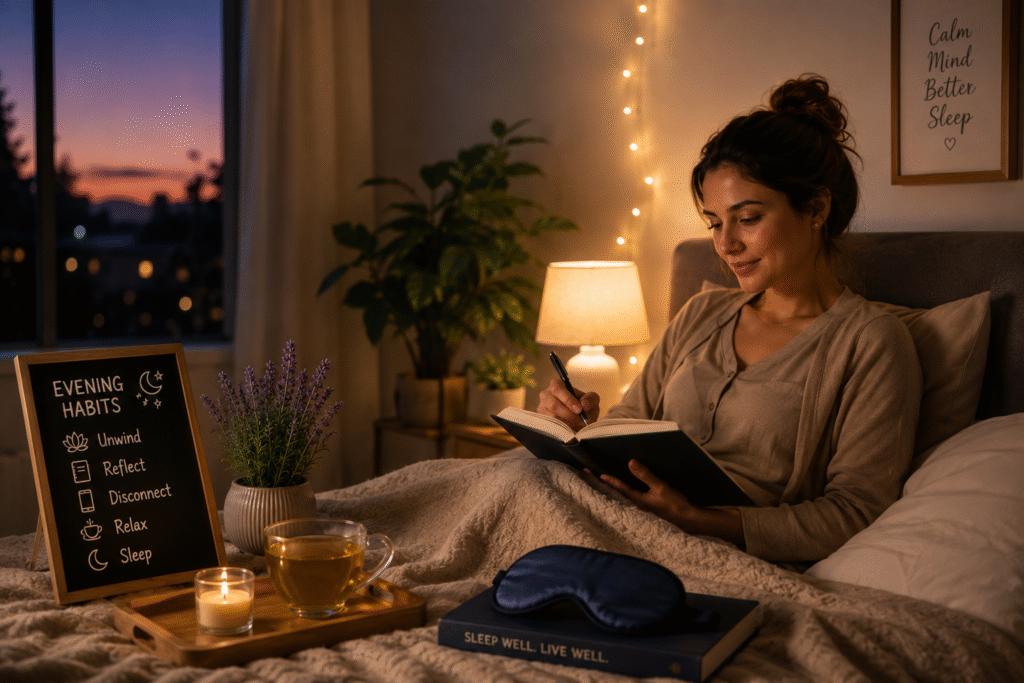
Diet Recommendations for Better Nighttime Rest
What you eat throughout the day—and particularly in the evening—directly impacts how deeply you sleep.
Foods That Support Sleep
- Tart Cherry Juice: Rich in natural melatonin and antioxidants that support healthy sleep duration.
- Bananas: Packed with magnesium and potassium, two natural minerals that relax tired muscles.
- Almonds and Walnuts: Excellent sources of healthy fats, magnesium, and plant-based melatonin.
- Oatmeal: Complex carbohydrates that promote natural serotonin release when eaten as a light evening snack.
- Chamomile Tea: Contains apigenin, an antioxidant that binds to brain receptors to induce calmness.
Foods and Substances to Avoid at Night
- Spicy Foods: Can trigger heartburn, acid reflux, and elevated core body temperature.
- Sugary Treats: Cause blood sugar spikes and crashes that wake you up mid-night.
- High-Fat Fast Foods: Slow down digestion and lead to discomfort when laying flat.
- Energy Drinks & Soda: Packed with hidden caffeine and excessive sugar.
Prevention Tips to Protect Your Sleep
Maintaining high-quality sleep requires daytime preparation as well as nighttime care. Follow these daytime prevention habits:
- Get morning sunlight: Expose your eyes to bright natural sunlight within 30 minutes of waking to set your body clock for the day.
- Exercise daily: Engage in at least 30 minutes of moderate movement (like walking, cycling, or swimming), but finish intense workouts at least 3 hours before bed.
- Naps wisely: Keep daytime naps short (20 to 30 minutes) and avoid napping after 3:00 PM.
- Manage daytime stress: Practice mindfulness, yoga, or short walk breaks during work to prevent stress from piling up at night.
Complications of Untreated Sleep Deprivation
Consistently skipping out on quality rest does far more than make you feel tired. Chronic sleep deprivation increases your long-term risk for serious physical and mental health issues:
| Health Category | Potential Risks of Chronic Sleep Deprivation |
| Cardiovascular | High blood pressure, heart disease, increased stroke risk |
| Metabolic | Weight gain, obesity, higher risk of Type 2 diabetes |
| Mental Health | Increased risk of clinical depression, severe anxiety, emotional burnout |
| Immune System | Weakened immune response, making you more vulnerable to infections |
| Cognitive | Reduced memory retention, impaired judgment, increased accident risk |
Frequently Asked Questions (FAQs)
1. What are the single best evening habits that improve sleep?
The single most effective evening habits are keeping a fixed sleep schedule, eliminating screen time 60 minutes before bed, keeping your bedroom dark and cool, and creating a predictable wind-down routine.
2. How long before bed should I stop using my phone?
You should turn off your phone, tablet, and computer at least 60 minutes before going to sleep. This gives your brain time to clear blue light signals and produce melatonin naturally.
3. Does taking a warm bath before bed really help you sleep?
Yes! A warm bath or shower relaxes your muscles. More importantly, when you step out of the warm water, your body temperature rapidly drops—which mimics the natural temperature decline your body experiences as it enters deep sleep.
4. What if I can’t fall asleep after 20 minutes in bed?
If you cannot fall asleep after 20 minutes, get out of bed. Move to a dimly lit room and do a quiet, relaxing activity like reading or listening to calm music until you feel drowsy, then return to bed. This prevents your brain from linking your bed with frustration.
5. Can exercise in the evening ruin my sleep?
Vigorous, high-intensity exercise right before bed elevates your heart rate, core body temperature, and adrenaline, making it harder to drift off. Aim to finish intense workouts at least 3 hours before bedtime.
6. Are sleep supplements safe to take every night?
Over-the-counter sleep aids and melatonin supplements are generally intended for short-term use. Using them long-term without medical supervision can mask underlying sleep disorders. Always consult your doctor first.
Conclusion
Mastering evening habits that improve sleep is one of the most powerful steps you can take for your long-term physical and mental well-being. By turning off screens early, sticking to a predictable schedule, optimizing your bedroom environment, and nourishing your body with sleep-friendly foods, you set yourself up for deep, restorative rest every single night.
Remember: sleep improvements take time. You do not have to change every single habit tonight. Start by picking two simple habits from this guide, practice them consistently for a week, and build from there.
