

Signs You’re Not Drinking Enough Water: Warning Symptoms
Water is one of the most essential nutrients your body needs to function properly. It helps regulate body temperature, supports digestion, transports nutrients, lubricates joints, and removes waste through urine and sweat. Despite its importance, many people do not drink enough water throughout the day, often without realizing it. Mild dehydration can develop gradually and may lead to noticeable changes in how you feel and perform daily activities.
Recognizing the warning signs of dehydration early can help you prevent more serious health problems. Here are the most common symptoms that may indicate your body needs more water.
Persistent Thirst
Feeling thirsty is the body’s natural way of telling you that it needs more fluids. However, if you frequently experience thirst, it may already be a sign that your body is becoming dehydrated. Many people ignore this signal because they are busy or mistake it for hunger. Drinking water regularly instead of waiting until you feel thirsty is one of the simplest ways to maintain proper hydration.
Dark Yellow Urine
The color of your urine is one of the easiest ways to monitor your hydration status. Pale yellow or nearly clear urine usually indicates adequate hydration, while dark yellow or amber-colored urine may suggest that your body is conserving water. If your urine consistently appears darker than usual, increasing your water intake can often help restore normal hydration.
Dry Mouth and Bad Breath
A dry mouth is a common symptom of dehydration. When your body lacks water, it produces less saliva, which helps keep your mouth moist and wash away bacteria. Reduced saliva allows bacteria to multiply more easily, leading to unpleasant breath and an uncomfortable sticky feeling in the mouth. Drinking enough water supports healthy saliva production and improves oral health.
Frequent Headaches
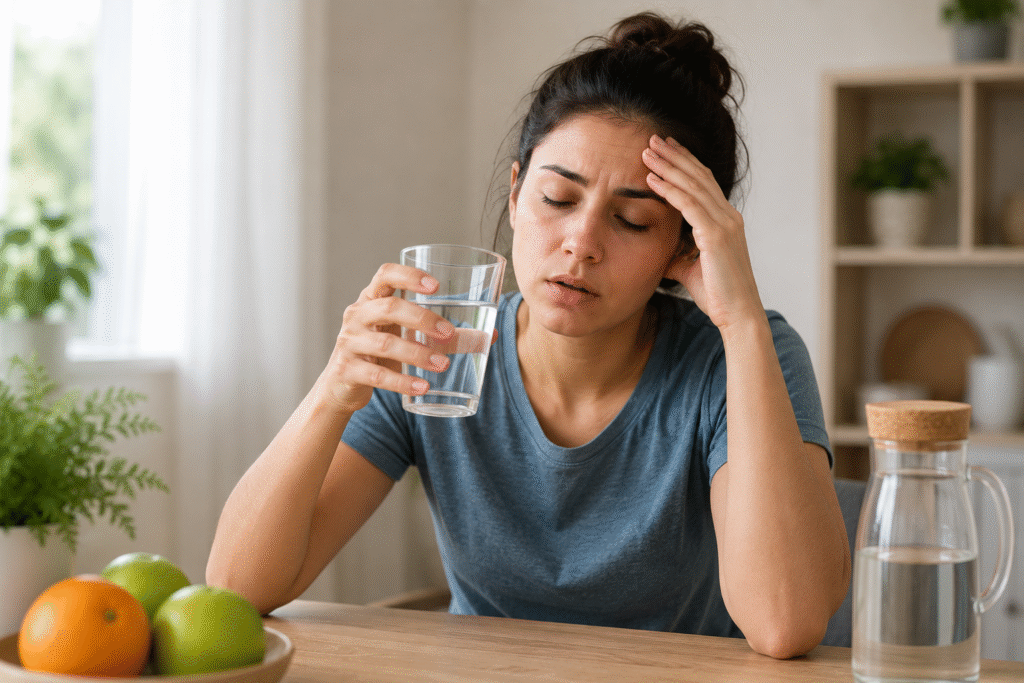
Headaches can sometimes be linked to dehydration. When your body loses too much water, the brain may temporarily shrink slightly due to reduced fluid levels, placing pressure on surrounding tissues and nerves. This can result in headaches ranging from mild discomfort to more severe pain. Staying hydrated throughout the day may help reduce the frequency of dehydration-related headaches.
Fatigue and Low Energy
Water plays an important role in transporting oxygen and nutrients throughout the body. When you are dehydrated, your heart works harder to circulate blood, making you feel tired, sluggish, or less energetic. Even mild dehydration can affect your physical performance and make everyday tasks feel more exhausting than usual.
Dry Skin
Healthy skin depends on proper hydration. While drinking water alone cannot solve every skin concern, dehydration may cause your skin to appear dry, dull, or less elastic. You may also notice that your lips become chapped more easily. Consistent hydration supports overall skin health and helps maintain its natural appearance.
Dizziness or Lightheadedness
Feeling dizzy when standing up quickly or experiencing occasional lightheadedness may be associated with dehydration. Low fluid levels can reduce blood volume, making it more difficult for your body to maintain normal blood pressure. Drinking water and replacing lost fluids can often improve these symptoms, especially during hot weather or after physical activity.
Difficulty Concentrating
Your brain relies on adequate hydration to function efficiently. Even slight dehydration can affect concentration, memory, mood, and mental alertness. You may find it harder to focus on work, studies, or daily responsibilities. Staying hydrated supports better cognitive performance and helps you remain productive throughout the day.
Muscle Cramps
Water and electrolytes work together to keep muscles functioning properly. Losing fluids through sweating without replacing them can increase the likelihood of muscle cramps, particularly during exercise or in hot environments. Drinking enough water before, during, and after physical activity helps support healthy muscle function.
Constipation and Digestive Problems
Water helps move food smoothly through the digestive system. When you do not drink enough fluids, your body absorbs more water from the intestines, making stools harder and more difficult to pass. Chronic dehydration may contribute to constipation and digestive discomfort. Adequate hydration, along with a fiber-rich diet, supports healthy digestion.
Increased Heart Rate
In some cases, dehydration can cause your heart to beat faster because there is less fluid circulating through your bloodstream. The heart must work harder to deliver oxygen and nutrients to your body’s tissues. If you notice a rapid heartbeat along with other signs of dehydration, drinking water may help if dehydration is the cause. However, persistent or severe symptoms should be evaluated by a healthcare professional.
Reduced Urination
If you are not drinking enough water, you may notice that you urinate less frequently than usual. This happens because your kidneys conserve water to maintain essential body functions. Reduced urination, especially when combined with dark urine and thirst, is a common indicator that your body needs more fluids.
Who Is Most at Risk of Dehydration?
Although anyone can become dehydrated, some people are more likely to experience it than others. Older adults, young children, athletes, people who work outdoors, and individuals living in hot climates have a higher risk of dehydration. People with fever, vomiting, diarrhea, or certain medical conditions may also lose fluids more quickly and need to pay extra attention to their hydration.
Simple Tips to Stay Hydrated
Maintaining proper hydration does not have to be difficult. Carry a reusable water bottle, drink water regularly throughout the day, and increase your fluid intake during exercise or hot weather. Eating water-rich foods such as watermelon, cucumber, oranges, tomatoes, and strawberries can also contribute to your daily fluid intake. Limiting excessive consumption of sugary beverages and alcohol may further support healthy hydration.
When to Seek Medical Attention
While mild dehydration often improves by drinking more fluids, severe dehydration requires prompt medical care. Seek immediate medical attention if you experience confusion, extreme weakness, rapid breathing, fainting, inability to keep fluids down, or very little urine output. These symptoms may indicate significant fluid loss that needs professional treatment.
Conclusion
Water is essential for nearly every function in the human body, and even mild dehydration can affect your physical and mental well-being. Warning signs such as persistent thirst, dark urine, headaches, fatigue, dizziness, dry skin, constipation, and difficulty concentrating should not be ignored. By recognizing these symptoms early and making hydration a daily habit, you can support better health, improve energy levels, and help your body function at its best. Making water a regular part of your routine is one of the easiest and most effective steps you can take toward long-term wellness.
Water is one of the most important things your body needs to stay healthy. Every cell, tissue, and organ depends on water to work properly. Yet many people go through their day without drinking enough fluids, often ignoring the early warning signs.
The signs you’re not drinking enough water can start small, such as feeling thirsty or having dry lips. However, if dehydration continues, it may affect your energy levels, concentration, digestion, and even your heart and kidneys. Recognizing these symptoms early can help prevent serious health problems.
In this guide, you’ll learn how dehydration affects your body, what causes it, common symptoms, treatment options, lifestyle changes, dietary recommendations, and simple ways to stay hydrated every day.
