

Health often takes a back seat in the busy lives of many men. Whether it’s due to work responsibilities, family commitments, or simply ignoring early symptoms, many health conditions remain untreated until they become serious. The truth is that many diseases can be managed or even prevented when detected early. Paying attention to warning signs and maintaining a healthy lifestyle can make a significant difference in long-term well-being. This article explores the most common health problems men should never ignore and explains why timely medical attention is important.
Why Men’s Health Needs More Attention
Many men tend to delay visiting a doctor because they believe symptoms will disappear on their own. Unfortunately, this habit can lead to delayed diagnosis of serious illnesses. Regular health checkups, healthy eating, physical activity, and awareness of common health conditions help reduce the risk of long-term complications. Early intervention often leads to better treatment outcomes and improves quality of life.

Heart Disease
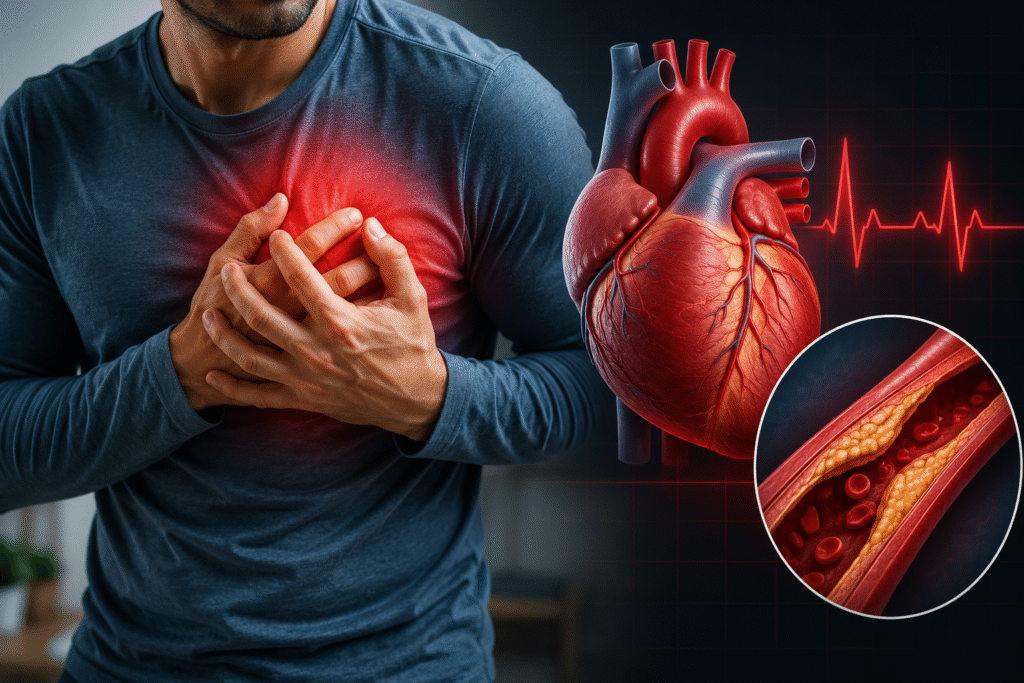
Heart disease remains one of the leading causes of death among men worldwide. High blood pressure, high cholesterol, smoking, diabetes, obesity, lack of exercise, and chronic stress all increase the risk.
Warning signs may include chest pain, shortness of breath, pain spreading to the arm or jaw, unusual fatigue, dizziness, or irregular heartbeat. Even mild symptoms should not be ignored, as they may indicate an underlying heart condition. Regular blood pressure monitoring, cholesterol testing, and maintaining a heart-healthy lifestyle can significantly lower the risk.
High Blood Pressure
High blood pressure is often called the “silent killer” because it usually develops without noticeable symptoms. If left untreated, it can damage the heart, brain, kidneys, and blood vessels over time.
Regular blood pressure checks are essential, especially for men over the age of 30 or those with a family history of hypertension. Reducing salt intake, exercising regularly, maintaining a healthy weight, and limiting alcohol consumption can help control blood pressure naturally.

Diabetes
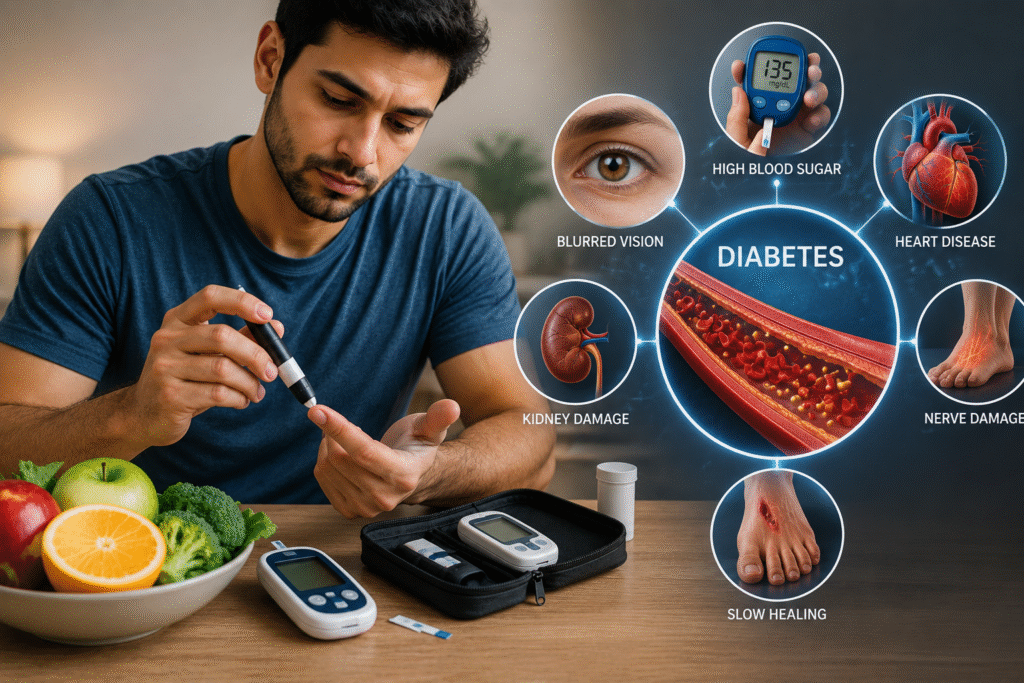
Type 2 diabetes is becoming increasingly common among men due to sedentary lifestyles and unhealthy eating habits. When blood sugar remains high for long periods, it can damage nerves, eyes, kidneys, and the heart.
Common symptoms include excessive thirst, frequent urination, increased hunger, unexplained weight loss, fatigue, slow-healing wounds, and blurred vision. Early diagnosis through regular blood sugar testing helps prevent serious complications and supports better disease management.
Prostate Health Problems
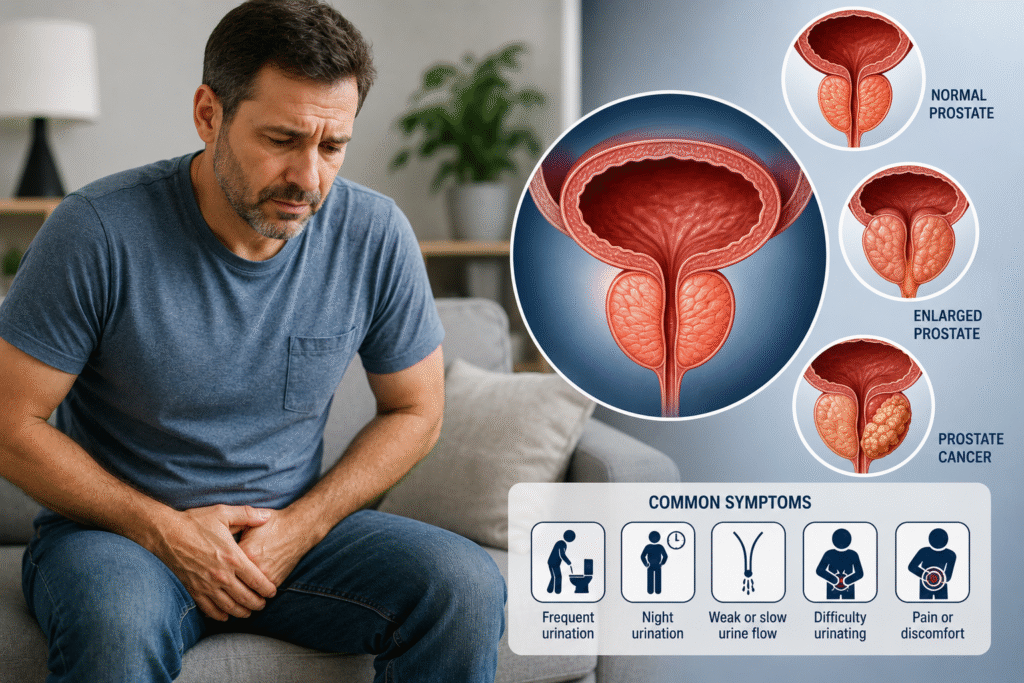
The prostate is a small gland that plays an important role in the male reproductive system. As men age, prostate-related conditions become more common, including enlarged prostate, prostatitis, and prostate cancer.
Symptoms may include difficulty urinating, weak urine flow, frequent urination, especially at night, blood in the urine, or pelvic discomfort. Men over the age of 50, or earlier if they have a family history, should discuss prostate health with their healthcare provider and undergo recommended screenings.
Mental Health Concerns
Mental health is just as important as physical health, yet many men hesitate to seek help due to social stigma. Depression, anxiety, chronic stress, and burnout can affect every aspect of daily life, relationships, and work performance.
Signs may include persistent sadness, irritability, lack of motivation, sleep disturbances, changes in appetite, difficulty concentrating, or loss of interest in hobbies. Seeking support from family members, counselors, or healthcare professionals can greatly improve emotional well-being and overall quality of life.

Obesity and Metabolic Syndrome
Excess body weight is associated with many serious health conditions, including diabetes, heart disease, high blood pressure, sleep apnea, and certain cancers. Metabolic syndrome, a combination of obesity, high blood sugar, high blood pressure, and abnormal cholesterol levels, significantly increases health risks.
Maintaining a balanced diet rich in fruits, vegetables, whole grains, lean proteins, and healthy fats, along with regular physical activity, can help achieve and maintain a healthy weight.

Liver Health Issues
The liver performs essential functions such as detoxifying the body, processing nutrients, and producing proteins. Fatty liver disease has become increasingly common due to obesity, poor diet, diabetes, and excessive alcohol consumption.
Early stages often have no symptoms, but as the condition progresses, fatigue, abdominal discomfort, swelling, and yellowing of the skin or eyes may occur. Healthy eating, regular exercise, maintaining a healthy weight, and limiting alcohol intake support liver health.

Kidney Disease
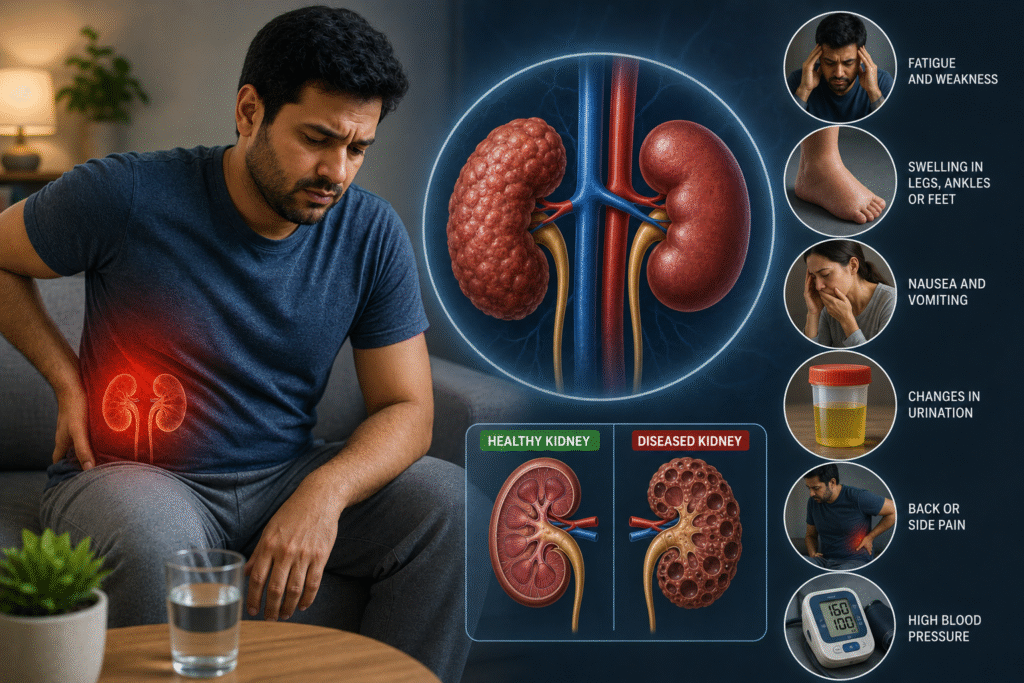
Kidney disease often develops gradually without obvious symptoms. Diabetes and high blood pressure are among the leading causes of chronic kidney disease.
Warning signs include swelling in the feet or ankles, fatigue, changes in urination, persistent itching, muscle cramps, and difficulty concentrating. Routine kidney function tests are especially important for individuals with diabetes or hypertension.
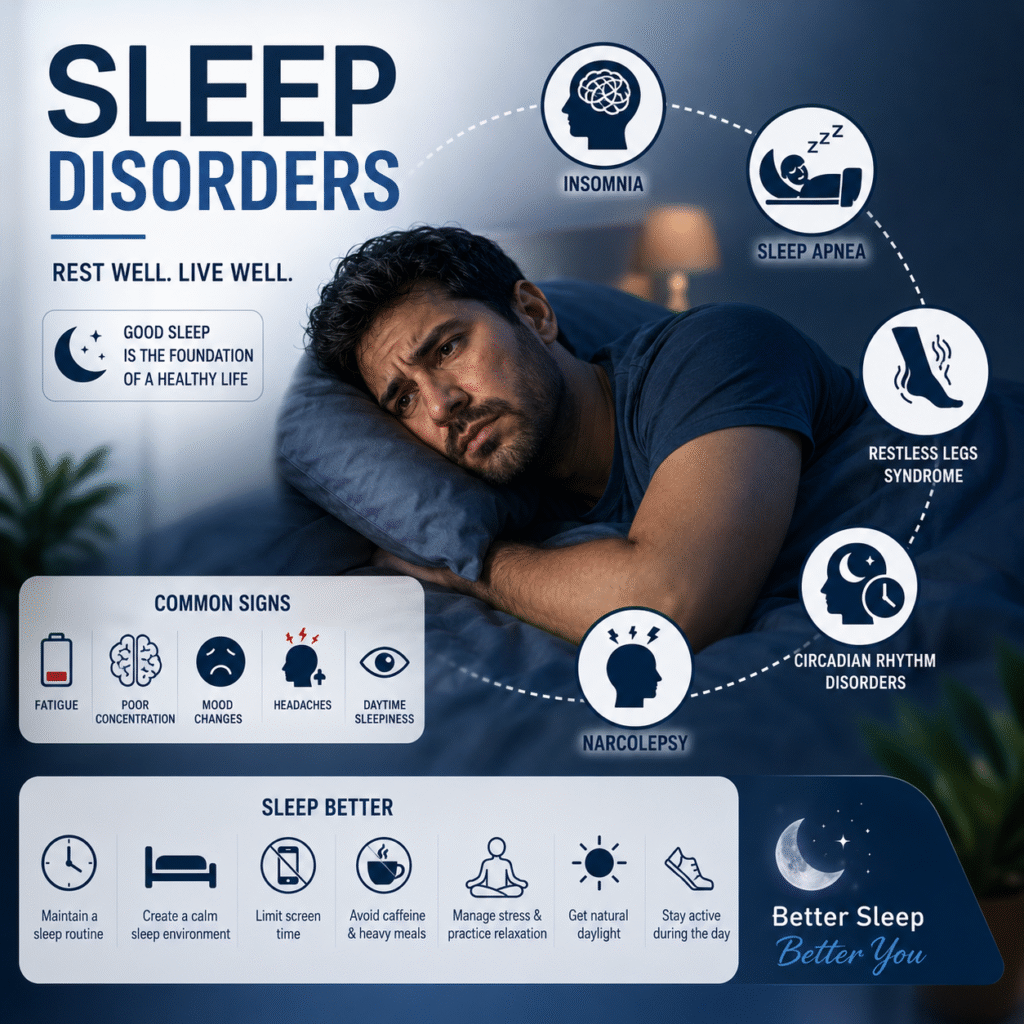
Sleep Disorders
Poor sleep affects physical and mental health. Sleep apnea is a common disorder in men, especially those who are overweight. It causes repeated interruptions in breathing during sleep, reducing oxygen levels and increasing the risk of heart disease, stroke, and diabetes.
Loud snoring, excessive daytime sleepiness, morning headaches, and difficulty concentrating are common signs. Proper diagnosis and treatment can improve sleep quality and overall health.
Healthy Habits for Disease Prevention
While not all health problems can be prevented, many risks can be reduced through healthy lifestyle choices. Eating a nutritious diet, staying physically active, maintaining a healthy weight, avoiding tobacco products, limiting alcohol consumption, managing stress, sleeping seven to nine hours each night, and attending regular health screenings all contribute to better long-term health.
Listening to your body is equally important. Persistent pain, unexplained fatigue, sudden weight changes, or unusual symptoms should never be ignored. Consulting a healthcare professional early often leads to faster diagnosis and more effective treatment.
Conclusion
Men’s health deserves consistent attention throughout every stage of life. Conditions such as heart disease, high blood pressure, diabetes, prostate disorders, mental health challenges, obesity, liver disease, kidney disease, colorectal cancer, and sleep disorders can often be managed successfully when detected early. Ignoring symptoms or postponing medical care may allow these conditions to worsen over time.
Making healthy lifestyle choices, scheduling routine medical checkups, and seeking medical advice whenever unusual symptoms appear are essential steps toward a healthier future. Prioritizing health today not only improves quality of life but also helps prevent serious complications in the years ahead.
