

Modern life can make being constantly connected feel almost unavoidable. Between work, college, family responsibilities, social media, messages, and endless notifications, quiet time alone can easily become something we overlook. Yet spending time alone does not necessarily mean being lonely or disconnected. When chosen intentionally, healthy solitude can provide valuable space to rest, reflect, organize thoughts, and reconnect with yourself. Psychological research suggests that solitude can sometimes help reduce emotional intensity, increase feelings of autonomy, and support well-being, although its effects depend on why and how a person spends time alone.
Understanding the Difference Between Solitude and Loneliness
One of the most important things to understand about spending time alone is that solitude and loneliness are not the same thing. Solitude simply describes being physically or socially apart from other people, while loneliness is an unpleasant feeling that can occur when someone feels that their social relationships do not meet their emotional needs. A person can enjoy a peaceful evening alone and feel completely content, while another person may feel lonely even when surrounded by friends or family. The American Psychological Association notes that loneliness is connected to a perceived lack of meaningful social connection, rather than simply being physically alone.
This distinction matters because the goal is not to avoid people. Human beings need meaningful relationships and social connection for healthy emotional functioning. Instead, the goal is to create a healthy balance between social connection and personal space. Research examining everyday solitude found that there is no single ideal amount of time alone for everyone. Importantly, solitude was associated with better experiences when it was chosen voluntarily rather than feeling forced or unwanted.
How Spending Time Alone Can Support Mental Well-Being
Time Alone Can Help Calm an Overloaded Mind
One of the most valuable benefits of intentional solitude is the opportunity to step away from constant stimulation. When people move continuously between conversations, notifications, responsibilities, and entertainment, they may have little opportunity to process what they are actually feeling. A quiet period can create mental space without requiring immediate responses to anyone else. Research discussed by psychologists at the American Psychological Association suggests that even relatively short periods of solitude can reduce high-energy negative emotions such as stress, anxiety, and anger, although individual responses vary.
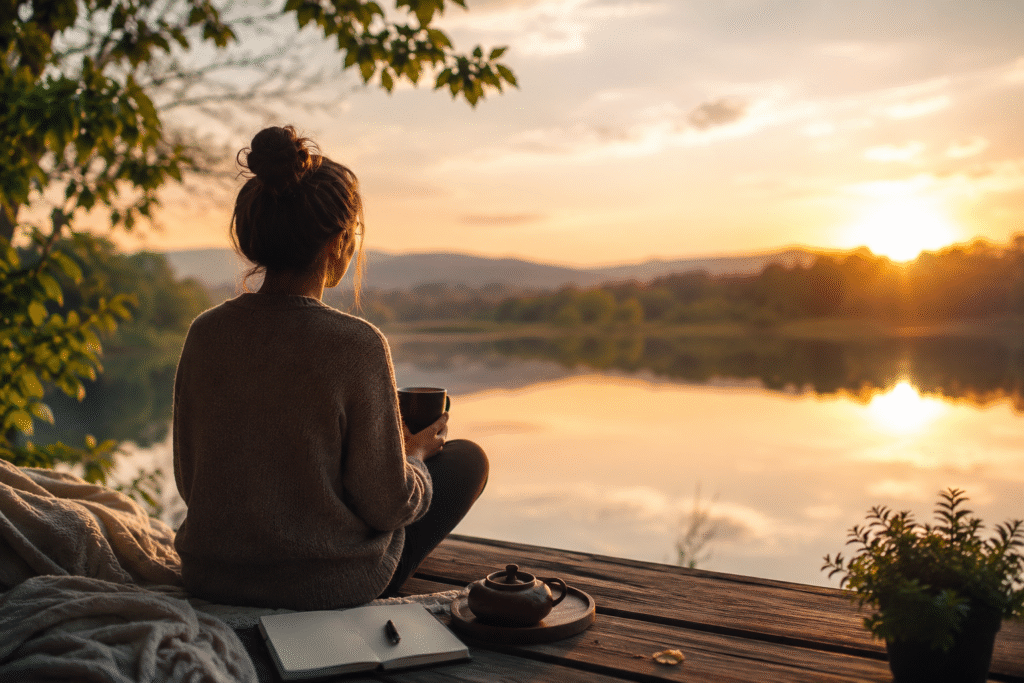
For example, someone returning home after a demanding day might spend twenty minutes sitting quietly, taking a slow walk, reading, journaling, or simply enjoying a cup of tea without using their phone. This does not magically eliminate life’s problems, but it can create a pause between experiencing stress and reacting to it. That pause can make it easier to approach responsibilities with greater emotional clarity.
Solitude Creates Space for Self-Reflection
Another important benefit of spending time alone is that it can encourage self-reflection. When there are fewer external distractions, people may have more opportunity to think about their goals, priorities, relationships, habits, and personal values. This can be particularly useful during periods of change, such as starting college, changing careers, moving to a new place, or making an important personal decision.
Research on solitude has identified autonomy and self-connection as meaningful aspects of positive solitary experiences. Having time away from social expectations can allow people to make choices based on what genuinely matters to them rather than constantly responding to the preferences of others.
Alone Time Can Encourage Creativity and Focus
Quiet surroundings can also support activities that require concentration. Reading, writing, drawing, planning, studying, cooking, photography, or working on a personal project can become more enjoyable when interruptions are reduced. Being alone does not automatically make someone creative, but intentional solitude can provide the uninterrupted environment needed for ideas to develop.
This can be particularly valuable in a world where digital distractions are always within reach. Spending part of the day without unnecessary notifications or social media can help a person become more aware of how they use their attention. Even a short technology-free period can turn alone time into an opportunity for meaningful activity rather than passive scrolling.
Making Alone Time Part of a Healthy Lifestyle
Healthy solitude does not have to involve an elaborate retreat or an entire day away from everyone. It can begin with small, realistic habits. A person might take a peaceful morning walk, enjoy breakfast without checking their phone, read before bed, practice a hobby, or spend a few minutes writing down thoughts and plans. The most important factor is that the time feels intentional and restorative, rather than forced.
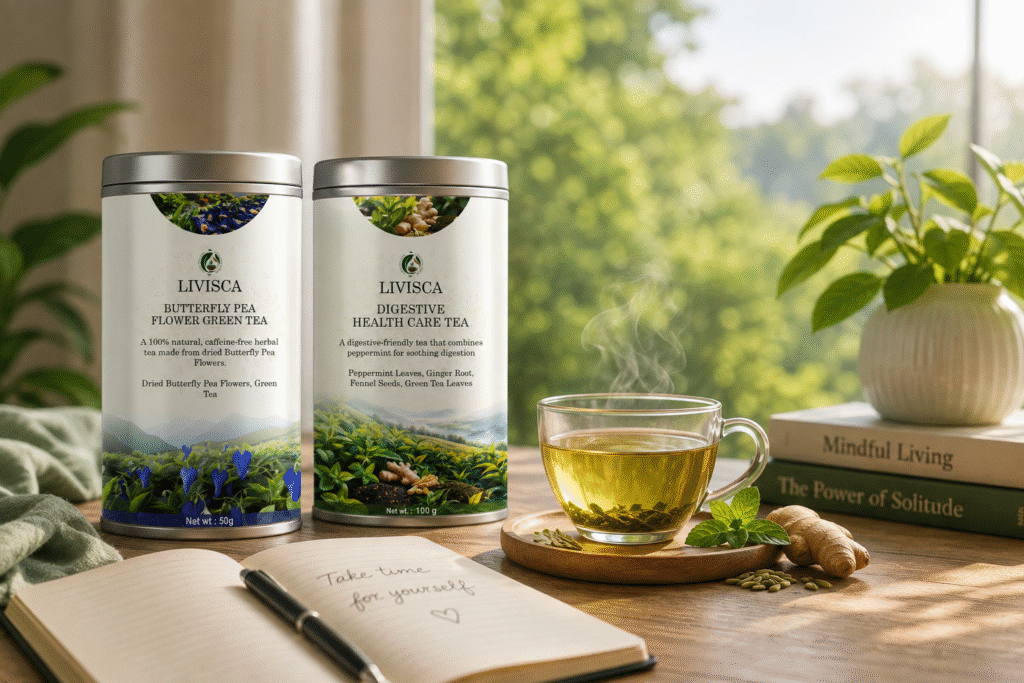
Adding a calming ritual can make this time even more enjoyable. For example, enjoying a cup of Livisca Green Tea during a quiet reading or journaling session can become part of a personal wellness routine. Green tea comes from Camellia sinensis and naturally contains polyphenols and caffeine. The National Center for Complementary and Integrative Health notes that moderate green tea consumed as a beverage is generally considered safe for adults, while evidence for many specific health claims remains limited.
The value of such a routine is therefore less about treating stress or anxiety with a particular beverage and more about creating a mindful pause in the day. A warm cup of tea, a quiet environment, and a few minutes away from digital distractions can make ordinary alone time feel more deliberate and enjoyable. People who are sensitive to caffeine should also remember that green tea contains caffeine and adjust their consumption accordingly.
When Spending Too Much Time Alone Can Become a Problem
Although solitude can be beneficial, more alone time is not automatically better. If someone begins withdrawing from friends and family because of persistent sadness, fear, anxiety, or a loss of interest in activities they previously enjoyed, isolation may be a sign that additional support is needed. Research distinguishes positive solitude from unwanted isolation, and loneliness can be associated with poorer mental and physical health outcomes.
The healthiest approach is therefore balance. Time alone should complement meaningful relationships rather than replace them. Staying connected with supportive friends, family members, colleagues, or community groups remains an important part of overall well-being. If alone time consistently feels painful rather than peaceful, reaching out to someone trustworthy or a qualified mental health professional can be an important step.
Creating a Healthier Relationship With Yourself
Spending time alone can be a simple but powerful part of a balanced lifestyle. It gives the mind room to slow down, creates opportunities for reflection, supports personal interests, and can help people become more aware of what they actually need. The key is to approach solitude as a choice rather than an escape. When personal space exists alongside meaningful social relationships, it can become a healthy part of everyday life rather than a sign of disconnection.
In a busy world that constantly demands attention, learning to enjoy your own company can be surprisingly valuable. Whether it is a quiet walk, a few pages of a book, journaling, pursuing a hobby, or enjoying Livisca Green Tea during a peaceful break, intentional alone time can help create moments of calm within an otherwise demanding day. The goal is not to spend life alone, but to become comfortable enough with yourself that solitude becomes a source of restoration, reflection, and well-being.
