

Healthy Eating 2025: Top Superfoods You Can’t Ignore ,Nutrition is constantly changing, and 2025 has brought us some seriously exciting developments. Superfoods are having a major moment right now—and I’m talking about way more than just your standard kale and quinoa (though those are still great!) Healthy Eating .
So what actually makes something a “superfood” these days?
The answer’s gotten a lot more interesting. We’re not just looking at nutrient density anymore. Today’s health-conscious eaters care about where their food comes from, how it impacts the environment, and whether there’s real science backing up the health claims. It’s a whole different ball game compared to even a few years ago Healthy Eating.
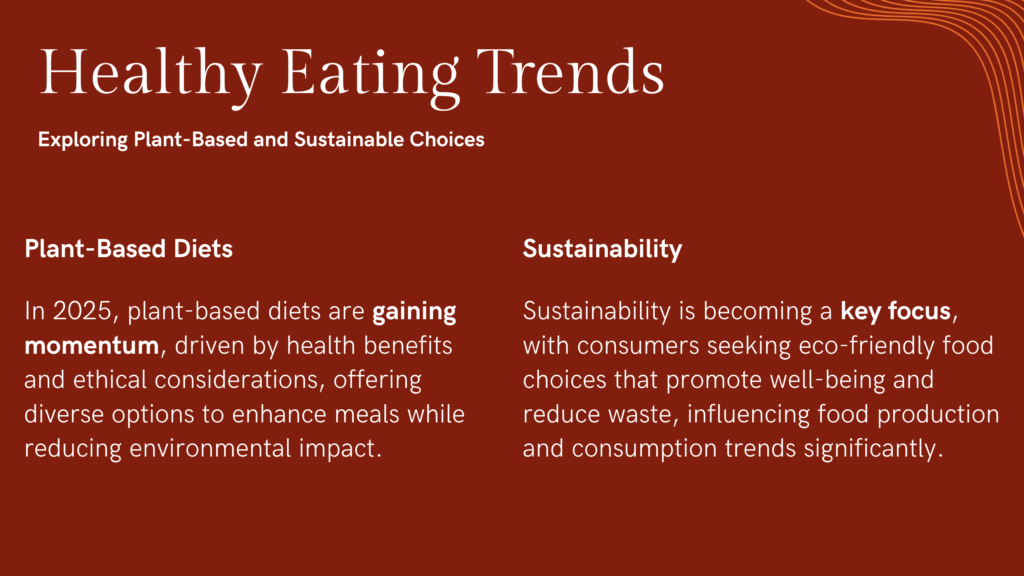
These powerhouse ingredients pack serious nutritional value—vitamins, minerals, fiber, antioxidants, you name it. But they’re also sustainable, often rooted in traditional diets that science is finally catching up with, or they’re newly discovered foods that researchers are getting excited about.
I’m going to walk you through the superfoods that are actually worth your attention this year. We’ll dig into why they matter, how to actually use them in real life, and where they fit into your everyday eating. Whether you’re already deep into the wellness world or just trying to make your meals a little healthier, you’ll find something useful here Healthy Eating .
The Superfoods You Actually Need to Know About in 2025
1. Spirulina & Chlorella (The Algae Everyone’s Talking About)
These blue-green algae aren’t new, but they’re having a serious renaissance. The plant-based protein movement has people looking for sustainable options, and algae checks all the boxes.
What makes them special: They’re loaded with complete proteins, B vitamins, iron, magnesium, and antioxidants like phycocyanin that your body loves.
Why now? Algae farming has gotten way more efficient and environmentally friendly, so these are finally affordable and accessible to most people.
Actually using them: Start small—just a teaspoon in your morning smoothie or green juice. You can also get them in capsule form if the taste isn’t your thing.
One heads up: make sure you’re buying certified organic. Some products can have heavy metal contamination, and that’s obviously not what we’re going for here.
2. Sea Moss (Irish Moss)
This one’s blown up in the wellness community, and honestly, for good reason. Sea moss contains 92 of the 102 minerals your body needs. People especially love it for thyroid support because of its natural iodine content.
The benefits: It’s great for gut health, helps with skin elasticity, boosts immunity, and supports your thyroid function.
How to get it: You can find sea moss as gels, powders, capsules, or ready-made smoothie boosters.
Using it: Just add a tablespoon of the gel to smoothies, soups, or even desserts. It basically disappears into recipes.
Important note though—more isn’t always better with iodine. Too much can actually mess with your thyroid, so stick to the recommended amounts.
3. Mankai (Also Called Duckweed or Water Lentils)
This might be the most fascinating item on this list. It’s literally the world’s tiniest vegetable, and it’s insanely nutrient-dense while being one of the most sustainable foods on earth.
What’s in it: Complete plant protein, B12 (which is rare in plant foods!), polyphenols, and plenty of fiber.
Why people are obsessed: Clinical studies are showing real benefits for blood sugar control and gut health. This isn’t just hype—there’s actual science here.
How to eat it: Mankai comes in powder form or frozen cubes. Just blend them into smoothies, soups, or breakfast bowls.
4. Functional Mushrooms (Lion’s Mane, Reishi, Chaga, Cordyceps)
The mushroom trend isn’t going anywhere. Each type has its own superpower:
- Lion’s Mane: Your brain will thank you. It supports memory, focus, and overall cognitive health.
- Reishi: This is your chill-out mushroom. Great for relaxation and immune support.
- Chaga: A powerful anti-inflammatory loaded with antioxidants.
- Cordyceps: Athletes love this one—it boosts endurance and helps your body use oxygen more efficiently.
How to take them: Mushroom coffees are huge right now, but you can also find powders, teas, capsules, or tinctures. Some are better for morning energy, others for nighttime calm. Pick what works for your routine.
5. Seeds: Chia, Flax, Hemp & Sacha Inchi
Don’t underestimate these tiny nutritional powerhouses. They’re affordable, easy to find, and ridiculously versatile.
- Chia: Packed with omega-3s and fiber, plus they help with hydration.
- Flax: Rich in lignans (which fight cancer), ALA, and tons of fiber. Just make sure to grind them first for better absorption.
- Hemp: A complete protein with magnesium and the perfect omega-6 to omega-3 ratio.
- Sacha Inchi: This Amazonian seed is loaded with protein and omega-3s. It’s newer to most people but worth trying.
Ways to use them: Sprinkle on oatmeal, toss in smoothies, make chia pudding, energy balls, or even homemade crackers Healthy Eating.
6. Ancient Grains (Fonio, Teff, Amaranth, Buckwheat, Quinoa)
People are rediscovering these grains, and it makes sense. They’re gluten-free, high in fiber, and way more sustainable than many modern grains.
- Fonio: A West African grain that’s been around forever. It’s got great amino acids and a low glycemic index.
- Teff: This Ethiopian staple is super high in calcium and iron.
- Amaranth: A pseudo-grain with impressive protein and antioxidant content.
- Buckwheat: Despite the name, it’s gluten-free. High in rutin, which is excellent for heart health.
- Quinoa: The OG superfood grain. Still popular because it’s a complete protein and works in basically everything.
Cooking with them: Swap out white rice or regular pasta. They’re perfect in salads, soups, or grain bowls.
7. Fermented Foods (Kefir, Kimchi, Sauerkraut, Miso, Tempeh)
Gut health is absolutely central to wellness conversations in 2025, and fermented foods are the stars. They’re packed with natural probiotics that do everything from helping digestion to supporting your immune system to potentially affecting your mood.
What’s popular: Yogurt, kefir, kimchi, kombucha, tempeh, natto, and miso are all having their moment.
Why it matters: A healthy, diverse gut microbiome is linked to less inflammation, better nutrient absorption, and improved mental health. Pretty huge, right?
Eating them: Just have a small serving daily. Could be kimchi as a side, kombucha as a drink, or miso soup as a meal starter Healthy Eating.
8. Turmeric & Curcumin | Healthy Eating
This golden spice is one of the most researched natural anti-inflammatories out there, and it’s still dominating in 2025.
Curcumin is the active compound that does the heavy lifting—and here’s a pro tip: it absorbs way better when combined with black pepper and some fat.
What it does: Helps with joint pain, reduces inflammation and oxidative stress, and may support brain health.
Forms: You can use fresh turmeric root, dried powder, capsules, or even infused drinks.
Using it: Add to curries, make golden milk (turmeric lattes are delicious), or take it in supplement form with meals Healthy Eating .
9. Amla (Indian Gooseberry)
This Ayurvedic staple has been used for centuries, and modern science is finally validating what traditional medicine always knew. Amla has an absolutely insane amount of vitamin C and antioxidant power.
Benefits: Immunity boost, better skin, improved digestion, and detoxification support.
Forms: Powder, juice, dried candy, or fresh if you can get your hands on it.
How to use it: Stir the powder into water, mix with honey for a morning shot, or blend into smoothies.
10. Jackfruit & Other Plant-Based Staples
As more people embrace plant-based eating, jackfruit has become a go-to for its meat-like texture and solid nutrition.
What’s in it: Lots of vitamin C, potassium, and fiber.
Using it: Unripe jackfruit works great as a meat substitute in tacos, stir-fries, and curries. When it’s ripe, you can eat it fresh or use it in desserts Healthy Eating.
Don’t forget about the classics though: lentils, chickpeas, mung beans, black beans, and tofu are all still superfood essentials Healthy Eating.
Livisca herbal teas offer natural, effective support for your health. Whether you need a gentle liver detox, relief from joint pain, or help easing headaches, these plant-based blends are designed to work with your body — not against it. Pure, simple, and powerful wellness in every cup.
| Product Name | Product Image | Benefit / Why It’s Useful | Amazon Link | Website Link |
|---|---|---|---|---|
| Livisca Detox & Liver Health Tea | 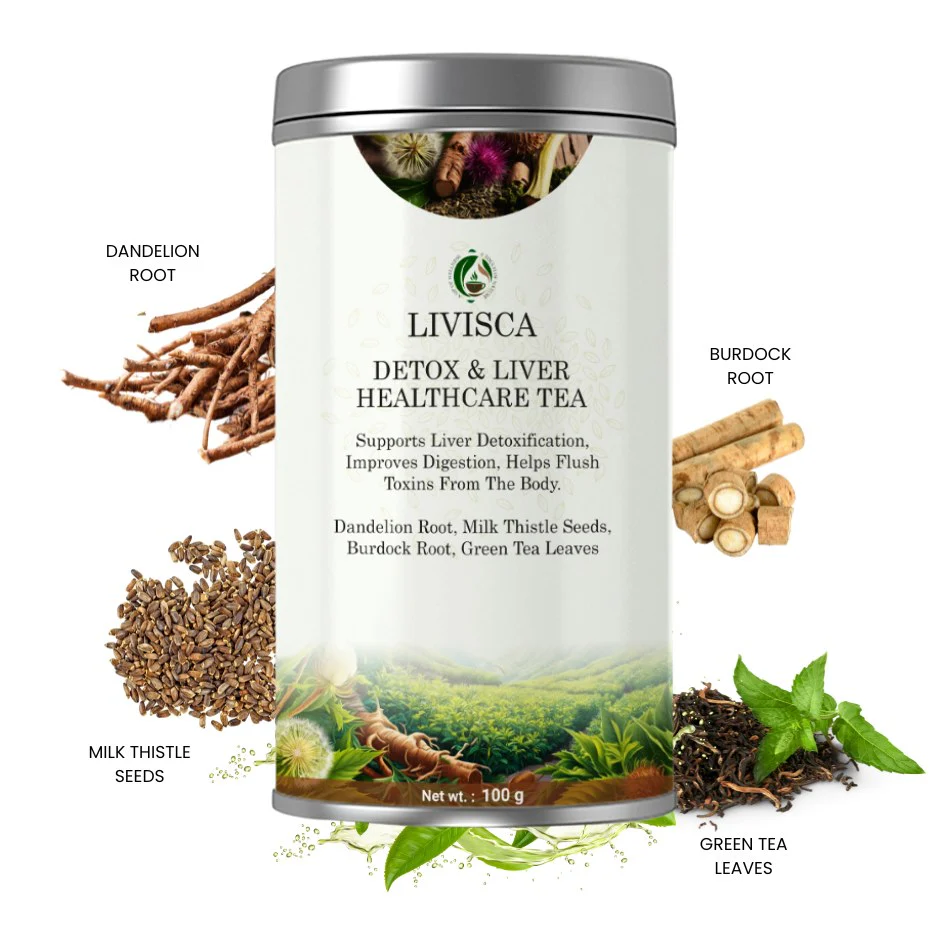 | Supports liver detox, helps cleanse body naturally | Buy on Amazon | Visit on Livisca |
| Livisca Anti-Inflammatory & Joint Pain Relief Tea | 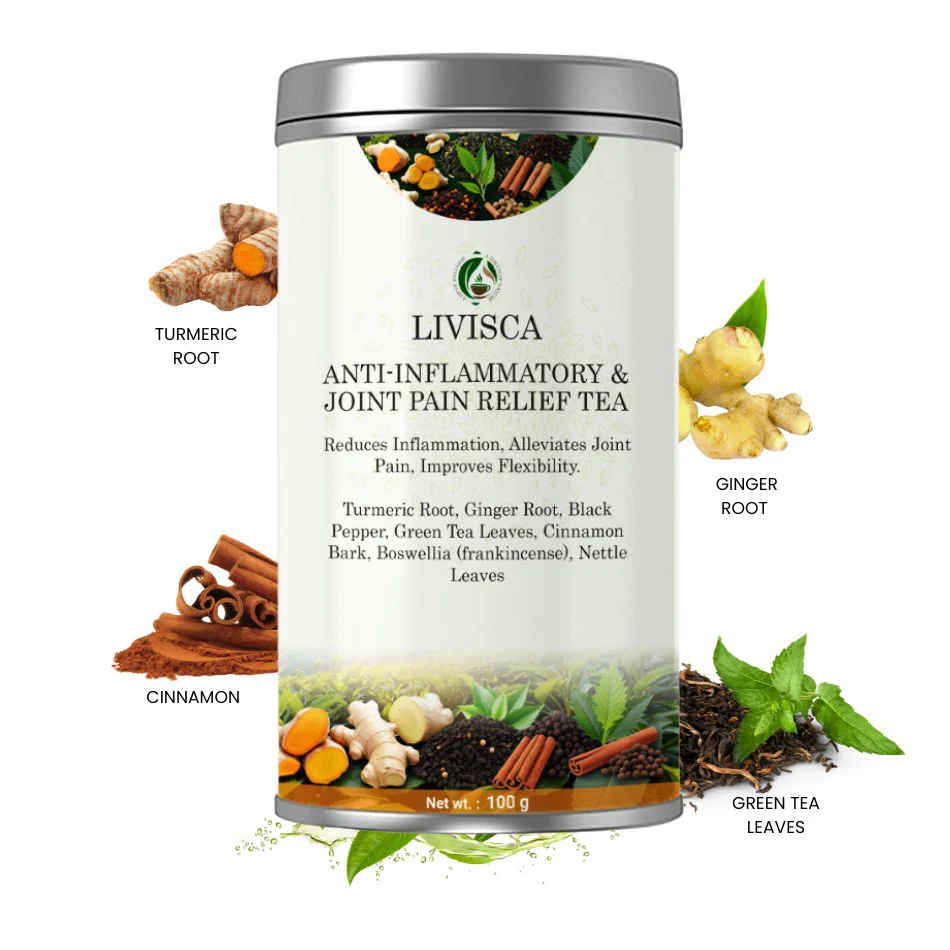 | Combats inflammation, supports joint comfort | Buy on Amazon | Visit on Livisca |
| Livisca Headache & Migraine Relief Tea | 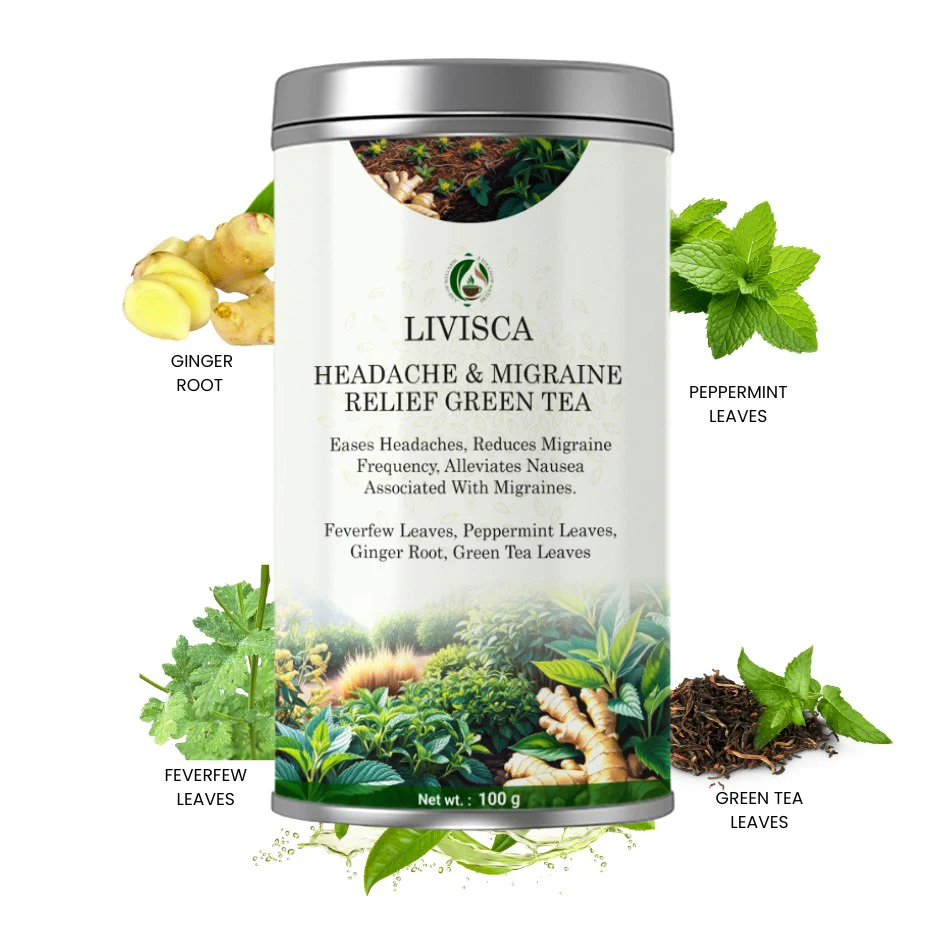 | Helps ease headache & migraine symptoms naturally | Buy on Amazon | Visit on Livisca |
Making Superfoods Part of Your Actual Life
You don’t need to overhaul your entire kitchen to start eating better. Here’s how to keep it simple:
1. Start Small
Pick one or two superfoods to try first. Maybe swap your regular cereal for overnight oats with chia seeds and berries. Easy win.
2. Sneak Them In
Smoothies, soups, and baking are your friends here. A little spirulina, flax, or mushroom powder basically disappears flavor-wise in small amounts.
3. Upgrade What You’re Already Eating
Use ancient grains instead of white rice. Switch regular yogurt for probiotic-rich kefir. These swaps are painless.
4. Don’t Go Overboard
A little goes a long way with superfoods. This is especially true for adaptogens and iodine-rich foods like sea moss. More isn’t always better.
5. Shop Smart
Look for organic, non-GMO, and sustainably sourced products. Quality beats quantity every time.
What a Day of Superfood Eating Actually Looks Like
Here’s a realistic meal plan using several of these superfoods:
Breakfast: Smoothie with spirulina, banana, chia seeds, almond milk, and frozen berries. Plus a golden milk (turmeric latte) on the side.
Lunch: Buddha bowl with quinoa, roasted chickpeas, kale, sweet potato, fermented kimchi, and hemp seeds sprinkled on top.
Snack: Trail mix with almonds, dried amla pieces, pumpkin seeds, and some dark chocolate.
Dinner: Jackfruit tacos with avocado, black garlic salsa, and a side of teff salad.
Dessert: Coconut yogurt with flax and baobab powder.
What Superfoods Aren’t (Real Talk)
Let’s be honest about what we’re dealing with here:
Not all supplements are created equal: Some powders are super processed or loaded with fillers. Read those labels carefully.
They’re not magic bullets: No single food is going to fix all your health problems overnight. If someone’s promising that, run.
Your body might react differently: Some people don’t do well with adaptogens, high iodine, or suddenly eating a ton of fiber. Pay attention to how you feel.
Always check for allergies and potential interactions with any medications you’re taking.
The Sustainability Factor
One of the biggest shifts in 2025 is how much people care about where their food comes from. More of us are:
- Choosing locally sourced or regional superfoods (like amla in India instead of imported blueberries from halfway across the world)
- Supporting small-scale farmers and indigenous growers
- Avoiding products linked to deforestation or overharvesting (some maca, acai, or quinoa products have sketchy supply chains)
The goal is to nourish your body without wrecking the planet in the process.
What’s Coming Next in the Superfood World
Looking ahead, here’s what might be on your plate soon:
- Mushroom mycelium-based meats
- AI-personalized nutrition blends tailored to your specific needs
- Lab-grown antioxidant compounds
- Biotech-enhanced microgreens
- Postbiotic-enhanced fermented foods
As food technology and nutritional science keep advancing, the line between food and medicine is getting blurrier. We’re moving toward food as functional wellness, not just fuel.
Wrapping This Up
Eating well in 2025 comes down to three things: function, balance, and sustainability. No single ingredient is going to be a miracle cure, but adding a variety of these superfoods to your diet can genuinely level up your health.
Keep these things in mind:
- Start small and build slowly
- Eat a variety—don’t just fixate on one thing
- Go for whole, unprocessed versions whenever you can
- Make choices that are sustainable for both you and the planet
Superfoods can absolutely be powerful allies in your health journey. But real wellness comes from consistent, mindful eating, staying active, and getting enough rest. Everything works together.
The most important superfood? The one you’ll actually eat and enjoy. Start there Healthy Eating 2025: Top Superfoods You Can’t Ignore.
