

Herbal teas for acidity relief are soothing, plant-based infusions made from ingredients like chamomile, ginger, licorice, peppermint, tulsi, and fennel. These teas help balance stomach acid, reduce heartburn, and support digestion naturally. They are widely used in Indian home remedies for quick and gentle acidity relief.
Discover the best herbal teas for acidity relief, digestion, and heartburn. Learn benefits, recipes, Indian home remedies, safety tips, and expert guidance for daily use.
Introduction: Understanding Why ‘Herbal Teas for Acidity Relief’ Are Essential Today
Acidity is one of the most common digestive issues in Indian households, often caused by spicy food, irregular meals, long workdays, or stress. This is where herbal teas for acidity relief offer a gentle, natural, and effective solution. Rooted deeply in India’s Ayurvedic and herbal traditions, these teas calm the stomach, reduce acid reflux, and support long-term digestive wellness.
With the rise of natural wellness brands like Livisca.com, more people in India are exploring herbal teas as safe, holistic options for better digestion and everyday health. Whether you’re dealing with occasional acidity or frequent heartburn, this guide explains everything you need to know—scientifically, culturally, and practically.
| Photo | Photo | Photo | Photo | Photo |
|---|---|---|---|---|
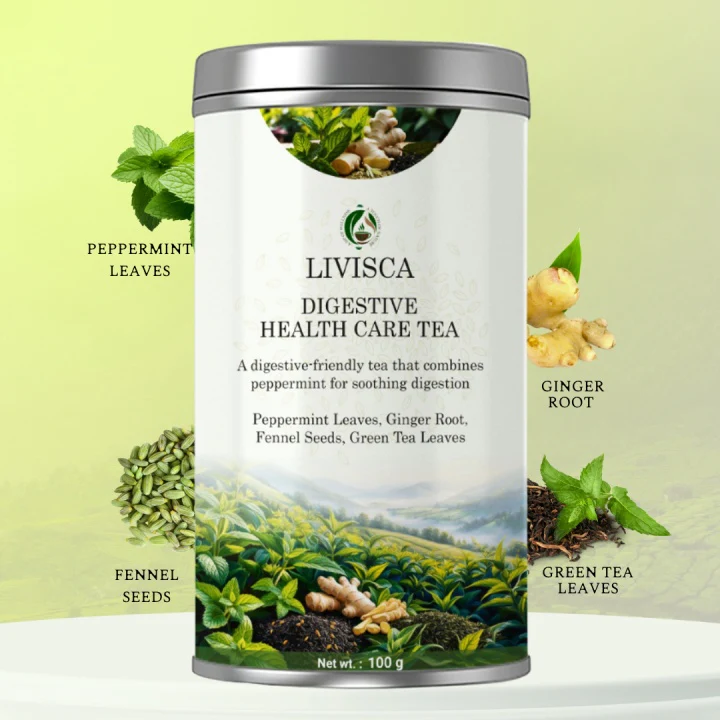 | 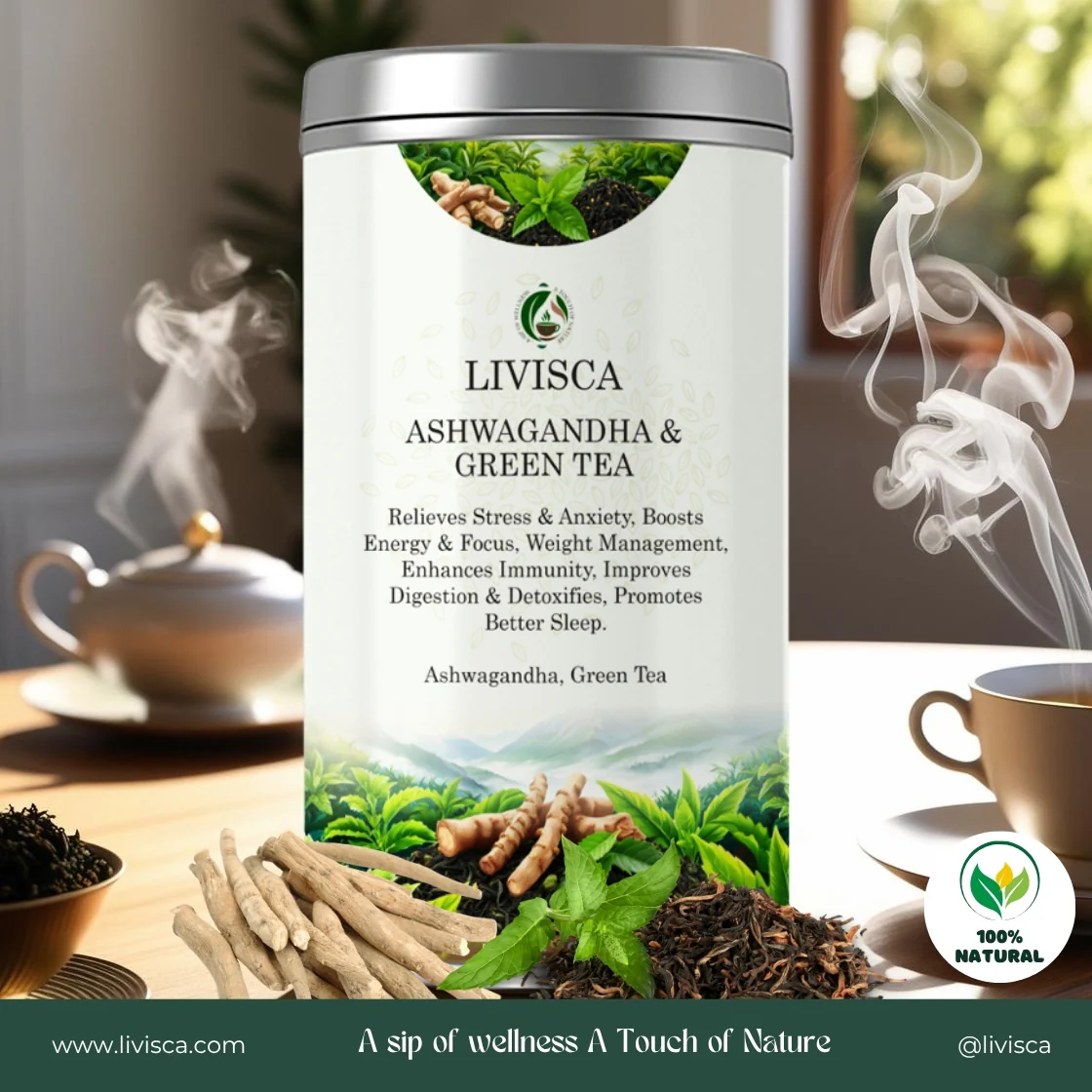 | 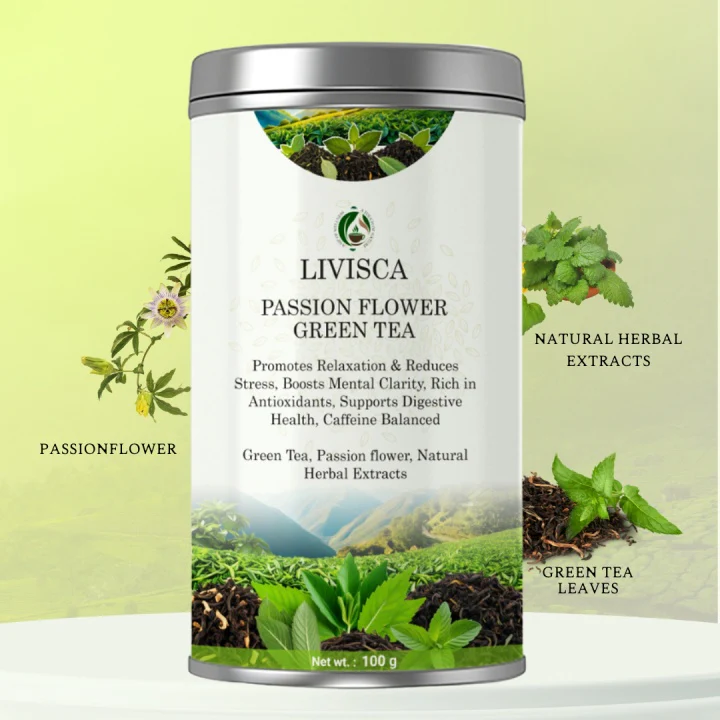 | 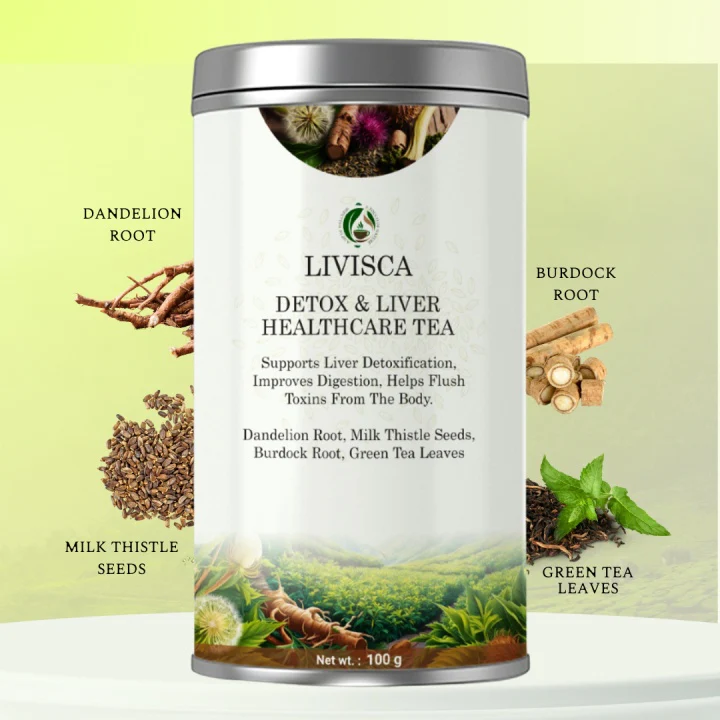 | 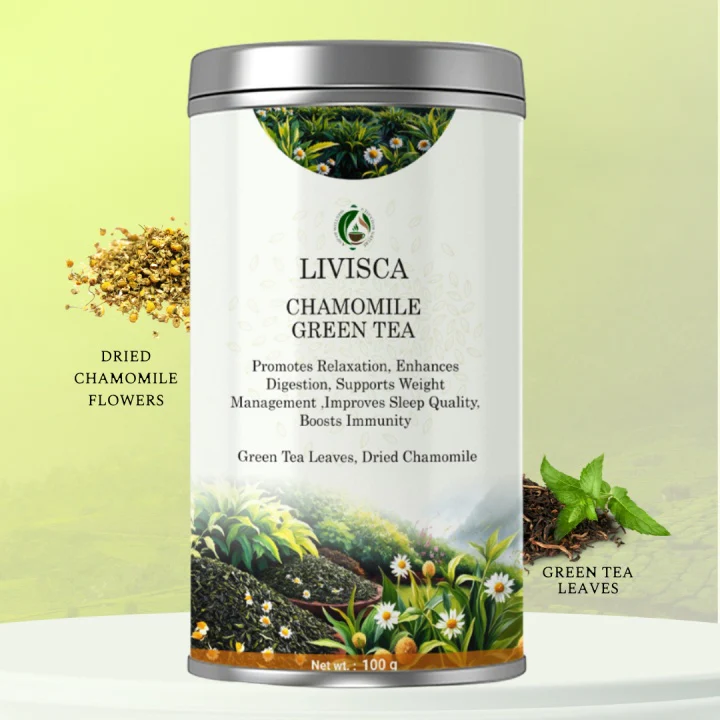 |
| Digestive Health Tea | Ashwagandha & Green Tea | Passionflower Green Tea | Detox & Liver Health Tea | Chamomile Green Tea |
| Soothing blend to support digestion and comfort | Ashwagandha & green tea for stress relief and energy. | Passionflower & green tea for calm and stress relief | Supports detox and promotes liver health naturally | Soothing chamomile and green tea for relaxation |
| Link | Link | Link | Link 4 | Link 5 |
What Is Detox Tea and Why Is It Used for Body Cleansing?
What Causes Acidity? Understanding the Root Problem First
To understand why herbal teas work, it helps to know what triggers acidity:
- Eating spicy, fried, or oily foods
- Skipping meals or eating late at night
- Poor gut health
- Stress and anxiety
- Excess consumption of tea, coffee, or carbonated drinks
- Low water intake
- Weak digestion (a common issue in Indian diets)
Ayurveda describes acidity (Amla Pitta) as an imbalance of digestive fire (Agni), leading to excess heat in the body. Herbal teas help cool, calm, and regulate this fire naturally.
Why Herbal Teas Work for Acidity Relief
Herbal teas support the digestive system in multiple ways:
- Neutralize excessive stomach acid
- Reduce inflammation in the stomach lining
- Relax the esophageal muscles (helping reduce reflux)
- Improve digestion and metabolism
- Reduce gas, bloating, and nausea
- Provide natural, plant-based antioxidants
This is why drinking herbal teas for acidity relief is recommended not just in Ayurveda but also in modern dietary wellness.
Best Herbal Teas for Acidity Relief (Indian + Global Herbs)
Below are the most effective best herbal teas for acidity relief, trusted for centuries in Indian kitchens and also supported by modern research.
1. Ginger Tea (Adrak Herbal Tea)
Why It Works
Ginger improves digestion, reduces gas, and soothes inflammation in the gut. It is one of the most recommended herbal teas for digestion.
Benefits
- Reduces nausea
- Improves digestion
- Lowers stomach acidity
- Prevents bloating and heaviness
How to Prepare
- Boil 1 cup of water
- Add 5–7 thin slices of ginger
- Simmer for 5 minutes
- Strain and drink warm
2. Mint Tea (Pudina Herbal Tea)
Why It Works
Mint relaxes stomach muscles and cools the digestive tract, making it one of the best teas for acid reflux relief.
Benefits
- Reduces heartburn
- Calms the acid stomach
- Refreshes breath
- Relieves indigestion
How to Prepare
- Add a handful of fresh mint leaves to hot water
- Let steep for 3–4 minutes
- Strain and enjoy
3. Fennel Tea (Saunf Herbal Tea)
Why It Works
Fennel is a classic Indian remedy for gas, bloating, and acidity.
Benefits
- Balances stomach acids
- Improves digestion
- Relieves heaviness after meals
How to Prepare
- Crush 1 teaspoon fennel seeds
- Add to a cup of boiling water
- Steep for 7 minutes
4. Chamomile Tea
Why It Works
Chamomile reduces inflammation, stress, and digestive discomfort.
Benefits
- Reduces acid reflux
- Promotes relaxation
- Soothes the stomach lining
5. Tulsi Tea (Holy Basil)
Why It Works
Tulsi is antimicrobial, anti-inflammatory, and excellent for digestion.
Benefits
- Reduces gas
- Supports gut health
- Heals acid-damaged tissues
6. Licorice Root Tea (Mulethi Tea)
Why It Works
Licorice forms a protective layer on the stomach lining.
Benefits
- Great for chronic heartburn
- Reduces throat irritation from acid reflux
- Heals stomach inflammation
7. Cumin Seed Tea (Jeera Tea)
Why It Works
Cumin is considered a natural digestive stimulant in Ayurveda.
Benefits
- Improves metabolism
- Reduces acidity
- Helps with bloating and indigestion
8. Green Tea with Ayurvedic Herbs
Brands like Livisca.com offer green teas infused with peppermint, ginger, tulsi, fennel, and mulethi—perfect blends for acidity and digestion.
Benefits
- Gentle on the stomach
- Rich in antioxidants
- Helps long-term acid regulation
Detailed Benefits of Herbal Teas for Acidity Relief
1. Neutralize Excess Stomach Acid
Many herbs such as fennel, licorice, and mint naturally balance acid levels.
2. Reduce Heartburn and Burning Sensation
Herbal teas create a cooling, soothing effect—ideal for herbal remedies for heartburn.
3. Improve Digestive Strength
Ayurvedic herbs strengthen Agni while preventing excessive heat.
4. Reduce Stress-Related Acidity
Chamomile and tulsi calm the mind and reduce cortisol.
5. Detoxify the Digestive Tract
Herbal teas help flush out toxins that contribute to acidity.
6. Promote Long-Term Gut Health
Regular consumption supports a healthier microbiome.
Step-by-Step Preparation Methods for Herbal Teas for Acidity Relief
Preparing these teas is simple and can be done with everyday Indian kitchen ingredients.
Basic Herbal Tea Formula
- Heat 1 cup of water
- Add herbs of choice (1 tsp seeds or 5–10 leaves or a premixed tea bag)
- Boil for 3–4 minutes
- Steep for 5 minutes
- Strain
- Drink warm, not hot
Custom Ayurvedic Herbal Tea Blend for Acidity Relief
This is a powerful Indian home remedy:
Ingredients:
- ½ tsp fennel seeds
- ½ tsp cumin seeds
- ½ tsp coriander seeds
- A small piece of ginger
- 2 tulsi leaves
Method:
- Boil all ingredients in 1.5 cups water
- Simmer for 7 minutes
- Strain and enjoy after meals
This recipe is widely recommended by Ayurvedic practitioners for acidity and indigestion.
Daily Usage Tips for Acidity Relief
To get maximum benefit from herbal teas for acidity relief, follow these daily guidelines:
When to Drink
- 30 minutes after meals
- Mid-morning
- Before bed (chamomile or tulsi)
How Much to Drink
- 2–3 cups per day for best results
Who Benefits Most
- People with heartburn
- Those who consume spicy Indian food
- Office workers with irregular meals
- Those who experience stress-related acidity
What to Avoid
- Drinking tea on an empty stomach
- Adding sugar
- Over-boiling herbs
- Drinking too hot tea
Traditional Indian Home Remedies Combined with Herbal Teas
1. Saunf + Mishri After Meals
Chewing this combination cools the digestive system.
2. Jeera Water With Lemon
A gentle detox for acidic stomachs.
3. Buttermilk with Pudina
A classic South Indian remedy for acidity.
4. Warm Water + Honey
Calms the stomach and improves metabolism.
Pairing these remedies with herbal teas can offer faster, more consistent relief.
Safety Precautions for Herbal Teas for Acidity Relief
Herbal teas are natural—but must be consumed mindfully.
Do Not Consume If You Have:
- Chronic ulcers (avoid ginger in excess)
- Kidney disease (avoid licorice)
- Severe GERD (use mint carefully; it may relax LES too much)
- Pregnancy (consult doctor before licorice or ginger)
General Safety Tips
- Limit to 2–3 cups per day
- Start with mild herbs like fennel or chamomile
- Avoid herbal teas on a completely empty stomach
- Check for allergies
Herbal tea blends from trusted wellness brands such as Livisca.com often come with clearer dosage and safety instructions.
Expert Insights: Why Herbal Teas Are Highly Recommended
Health experts, dietitians, and Ayurvedic practitioners emphasize herbs because:
- They cool the digestive system naturally
- They reduce inflammation
- They have almost no side effects
- They help long-term gut healing
- They align with Indian dietary patterns and lifestyle
Ayurveda also highlights the importance of mindful eating, stress reduction, and natural herbs—principles integrated into the herbal products offered by Livisca.com, making it a trusted guide for holistic living.
Do’s and Don’ts for Using Herbal Teas for Acidity Relief
Do’s
- Drink herbal tea warm, not hot
- Choose caffeine-free herbal options
- Drink slowly, sip by sip
- Pair tea with light meals
Don’ts
- Do not add milk
- Do not drink tea immediately after eating spicy food
- Do not consume with heavy, fried foods
- Avoid drinking right before strenuous activity
Cultural Insights: Herbal Tea Traditions in Indian Households
India has a rich tradition of using herbs for digestive wellness:
- Grandmothers preparing saunf water after meals
- Ayurveda prescribing ginger-tulsi teas for gastric heat
- Pudina chai served after heavy Indian lunches
- South Indian households using jeera water for digestion
- Gujarati homes offering ajwain water for acidity relief
These time-tested remedies form the backbone of today’s herbal teas for acidity relief, now refined and modernized by premium wellness brands.
Conclusion: Why Herbal Teas for Acidity Relief Should Be Part of Your Daily Routine
In today’s fast-paced Indian lifestyle—irregular meals, spicy food, stress—acidity has become extremely common. Using herbal teas for acidity relief offers a gentle, natural, and effective solution without side effects. These teas help neutralize stomach acid, soothe heartburn, support digestion, and heal the gut over time.
Whether you choose simple homemade teas or well-balanced herbal blends from trusted wellness providers like Livisca.com, incorporating herbal teas into your daily routine can significantly improve digestive health and overall well-being.
SEO-Optimized FAQs (Google People Also Ask Style)
1. Is herbal tea for acidity relief safe for everyone?
Most herbal teas are safe for adults when consumed in moderation. However, people with ulcers, kidney conditions, pregnancy, or chronic GERD should consult a doctor before using certain herbs like licorice or strong ginger.
2. Which herbal teas are best for acid reflux relief?
Fennel, chamomile, tulsi, licorice, and mild ginger tea are considered the best herbal teas for acid reflux relief. They cool the digestive tract, reduce inflammation, and regulate acid production.
3. How can herbal teas help with heartburn?
Herbal teas help calm stomach acids, relax digestive muscles, and soothe inflammation in the esophagus. This makes them excellent herbal remedies for heartburn and acidity-related discomfort.
4. What is the best time to drink herbal teas for acidity relief?
The ideal times are:
- 30 minutes after meals
- Mid-morning
- Before bedtime (chamomile or tulsi)
5. How often can I drink herbal tea for acidity relief?
2–3 cups per day is ideal for most people. Consistency is key—regular consumption improves digestion, strengthens gut health, and reduces acidity episodes. Herbal Teas for Acidity Relief: The Complete Indian Guide .
