

Mental Wellness Tips to Reduce Stress and Improve Your Life
What Is Stress and Why Does It Affect Mental Health?
Stress isn’t always dramatic. Most of the time it’s subtle — the constant ping of notifications, unfinished work tasks sitting in the back of our mind, or that restless feeling before sleep. Our brain treats these pressures like small threats, even if nothing dangerous is actually happening. Over time, those tiny signals build up and start affecting mood, focus, and energy.
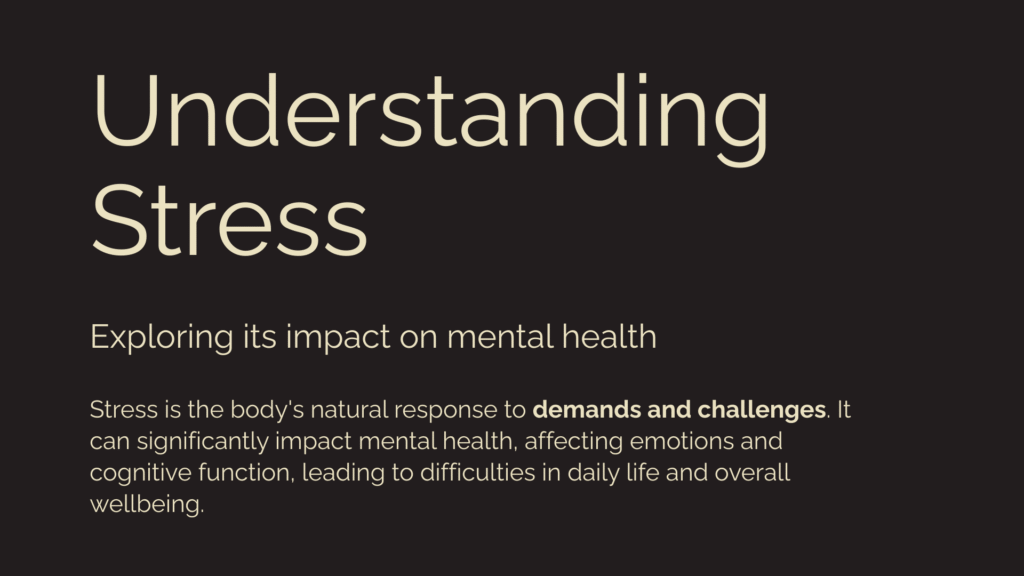
This is why many Mental Wellness Tips to Reduce Stress begin with simply understanding how stress works in daily life. The body releases hormones that prepare us to react quickly, but when this response stays active all day, it exhausts the mind. Many practical Mental Health Tips focus on calming that reaction rather than fighting it. We often assume we should just “handle it,” but stress quietly affects memory, patience, and decision-making. Recognizing these patterns helps us choose better Stress Management Techniques before burnout appears. Even small Anxiety Relief Methods can help reset the nervous system when used consistently. It’s not about eliminating stress completely; it’s about learning how to live with it more gently.
Common Causes of Stress in Daily Life
Most people imagine stress coming from major life events, but everyday routines usually play a bigger role. Work pressure, long commutes, financial concerns, and endless digital notifications can quietly overload the brain. Sometimes the stress isn’t even obvious—we just feel tired, irritable, or mentally scattered. A big part of using Mental Wellness Tips to Reduce Stress is noticing these daily triggers.
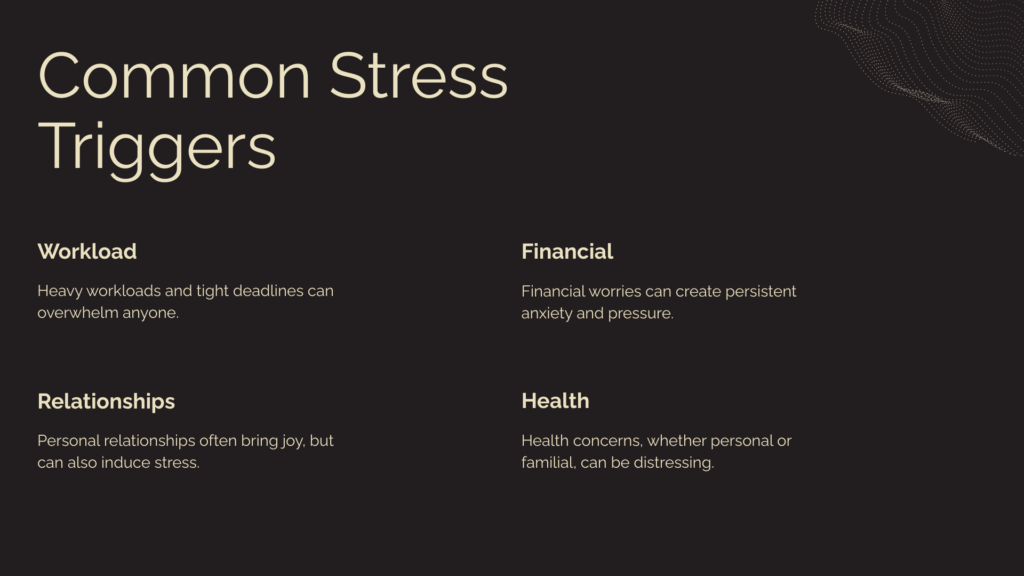
For some people it’s work emails late at night; for others it’s juggling family responsibilities while trying to stay productive. Poor sleep and constant multitasking make things worse, even if we don’t connect them to stress right away. Many reliable Stress Management Techniques start with reducing small pressures instead of waiting for a breakdown. Practical Mental Health Tips often involve setting limits around work hours and phone usage. These changes sound simple, but they create real breathing space in our day. Over time, these adjustments support stronger Daily Self-Care Habits that protect mental energy. Small stressors may be common, but they don’t have to control the entire day.
Signs Your Mind and Body Are Experiencing Stress
Stress rarely announces itself clearly. Instead, it shows up through small signals we tend to ignore at first. Maybe sleep becomes lighter, concentration fades during simple tasks, or we feel unusually irritated by small things. These are early signs that the body is struggling to keep up. Many Mental Wellness Tips to Reduce Stress focus on recognizing these signals before they turn into exhaustion. Physical symptoms can appear too—tight shoulders, headaches, or constant fatigue. Emotional signs often include overthinking, sudden mood shifts, or feeling mentally overwhelmed even with manageable tasks.
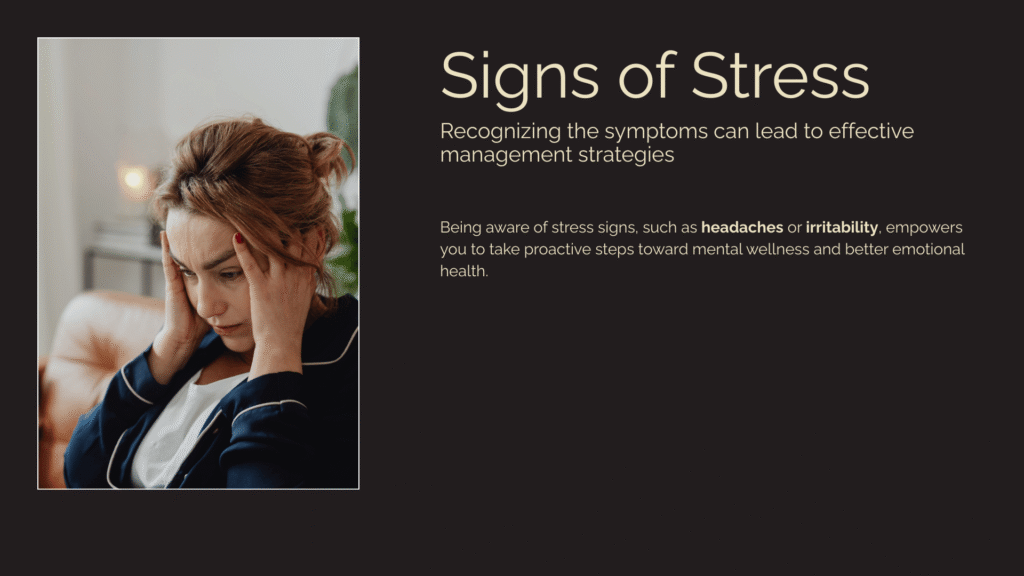
Helpful Stress Management Techniques encourage pausing when these signals appear instead of pushing through them. Simple Anxiety Relief Methods like stepping outside, breathing slowly, or taking a short break can calm the nervous system surprisingly fast. Consistent Daily Self-Care Habits also make these symptoms easier to manage. The key is paying attention early rather than waiting for complete burnout. Our mind usually whispers warnings long before it starts shouting.
Why Mental Wellness Tips to Reduce Stress Are Important
Life today rarely slows down on its own. Between work responsibilities, family expectations, and constant online distractions, the mind stays active almost all day. That’s exactly why practical Mental Wellness Tips to Reduce Stress matter so much. They help us build small recovery moments into a busy schedule. Without those breaks, stress quietly accumulates and begins affecting mood, patience, and even relationships. Many effective Stress Management Techniques focus on balance rather than productivity. They remind us that mental energy is limited and needs regular care. Simple Mental Health Tips like stepping away from screens or protecting quiet time can prevent emotional overload. Consistent Daily Self-Care Habits make these strategies easier to follow without feeling forced. Over time, these habits also support stronger emotional resilience. Reliable Anxiety Relief Methods become tools we can reach for when pressure increases. Stress may never disappear completely, but learning how to manage it changes how life feels day to day.
Long-Term Effects of Chronic Stress
When stress stays around for too long, it starts affecting more than just mood. Chronic pressure can slowly drain energy, disrupt sleep patterns, and make concentration difficult. People often notice increased irritability or mental fatigue but struggle to connect it with stress. That’s why Mental Wellness Tips to Reduce Stress emphasize prevention rather than waiting for serious burnout. Long-term stress also impacts physical health by increasing inflammation and weakening immunity.
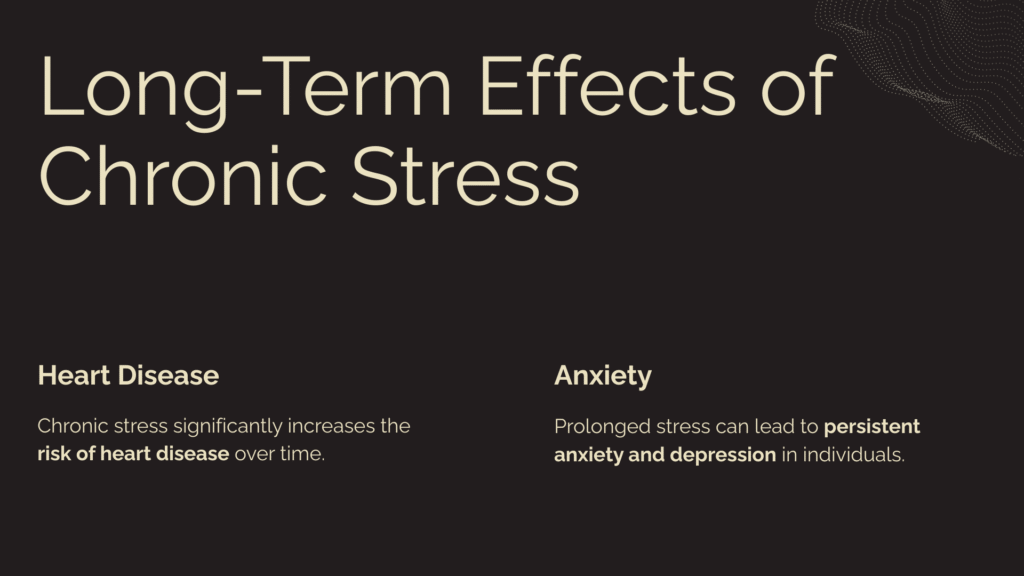
Reliable Stress Management Techniques help interrupt this cycle before it becomes overwhelming. Many practical Mental Health Tips encourage building recovery time into daily routines. Even short breaks can reset the nervous system when practiced consistently. Effective Anxiety Relief Methods help calm racing thoughts that keep stress active at night. Small Daily Self-Care Habits—like gentle exercise or limiting late-night screen time—support long-term mental balance. The goal isn’t perfection; it’s reducing the constant pressure the mind carries.
Benefits of Improving Mental Wellness
Improving mental wellness doesn’t suddenly remove every stressful situation from life. What changes is how we respond to those situations. When we practice Mental Wellness Tips to Reduce Stress consistently, the mind becomes a little steadier during difficult moments. Focus improves, emotional reactions soften, and everyday challenges feel less overwhelming. Many people also notice better sleep and more stable energy levels. Simple Stress Management Techniques help create small mental breaks that restore attention. Practical Mental Health Tips also support clearer decision-making during busy days.
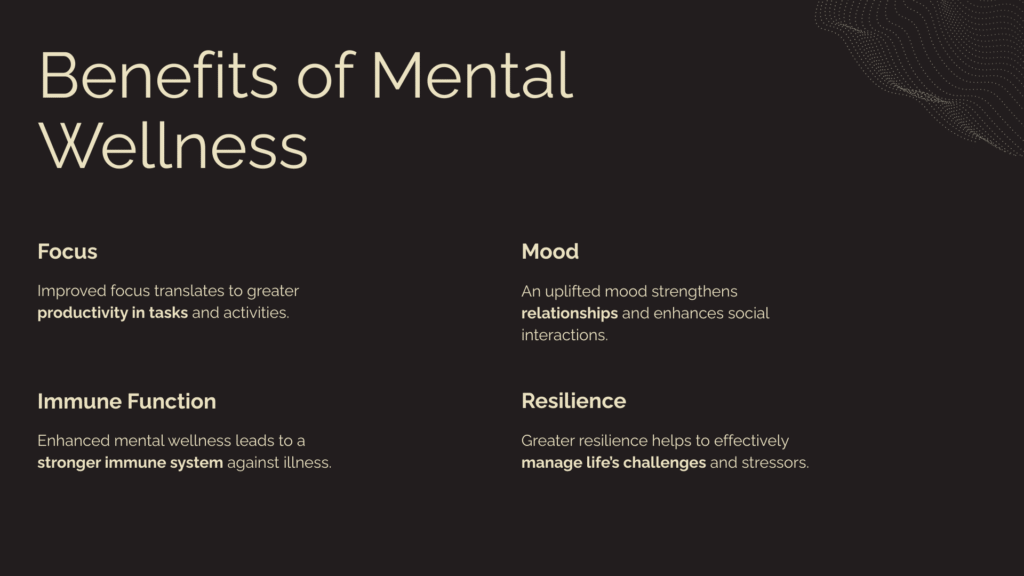
Over time, reliable Anxiety Relief Methods make it easier to calm racing thoughts before they spiral. Consistent Daily Self-Care Habits strengthen resilience in subtle but meaningful ways. Life still brings pressure, but it no longer feels like constant chaos. Mental wellness becomes something we maintain rather than chase during emergencies.
Effective Mental Wellness Tips to Reduce Stress Naturally
Stress Management Techniques That Actually Work
There’s no shortage of advice about managing stress, but not all of it fits real life. The most useful Stress Management Techniques are usually simple and repeatable. Taking five minutes to step away from a screen, stretching between tasks, or getting fresh air can reset the mind more than we expect. Many Mental Wellness Tips to Reduce Stress focus on these small interruptions that break the cycle of constant pressure. Our brain needs pauses, even during productive days. Helpful Mental Health Tips encourage focusing on one task at a time instead of juggling everything at once. When the mind slows down, decision-making improves naturally. Consistent Daily Self-Care Habits make these pauses feel normal instead of guilty. Even small Anxiety Relief Methods—like deep breathing or listening to calming music—can shift mental energy quickly. These habits don’t eliminate responsibilities, but they make handling them far less exhausting.
Deep Breathing and Mindfulness Practices
Breathing sounds almost too simple to be useful, yet it’s one of the fastest ways to calm the nervous system. When stress builds up, our breathing becomes shallow without us noticing. Slow breathing signals the brain that it’s safe to relax. Many Mental Wellness Tips to Reduce Stress start with this basic reset because it works almost anywhere. Mindfulness practices follow the same idea—paying attention to the present moment instead of worrying about everything ahead.
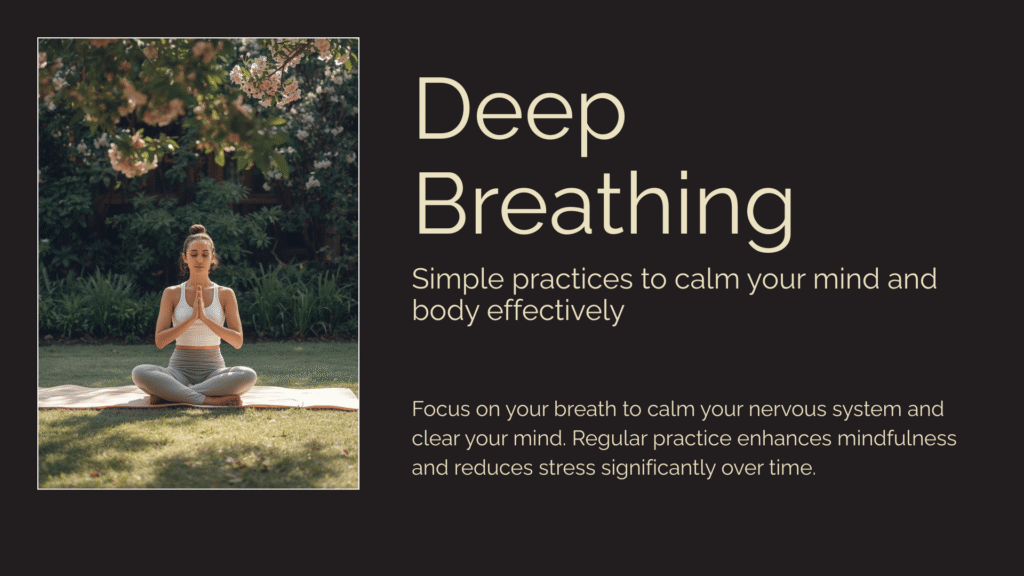
These gentle Anxiety Relief Methods help quiet racing thoughts. Even two minutes of mindful breathing can shift mental tension. Many practical Mental Health Tips suggest practicing during calm moments, not only during stressful ones. Over time, these Stress Management Techniques become natural responses to pressure. Pairing them with steady Daily Self-Care Habits makes the effect stronger. The goal isn’t perfect calmness, just a quieter mind.
Time Management to Reduce Mental Pressure
A surprising amount of stress comes from feeling like there isn’t enough time. Tasks pile up, deadlines overlap, and suddenly everything feels urgent. One of the most practical Mental Wellness Tips to Reduce Stress is simply organizing priorities more realistically. Not everything needs immediate attention, even if it feels that way. Breaking larger tasks into smaller steps helps the brain focus without panic. Many Stress Management Techniques revolve around planning the day with breathing space instead of filling every hour. Reliable Mental Health Tips also suggest protecting short breaks between tasks. These pauses reduce mental fatigue more than pushing through nonstop work. Consistent Daily Self-Care Habits make structured routines easier to follow. When anxiety rises, small Anxiety Relief Methods like stepping away from the desk for a few minutes can restore clarity. Time management isn’t about perfection; it’s about creating mental room to breathe.
Mental Health Tips to Build Emotional Strength
Emotional strength doesn’t mean ignoring stress or pretending everything is fine. It’s more about learning how to process difficult feelings without getting overwhelmed. Many Mental Wellness Tips to Reduce Stress encourage building emotional awareness slowly. When we understand what triggers frustration or anxiety, it becomes easier to respond calmly. Practical Mental Health Tips often include journaling thoughts or talking openly with someone we trust. These habits reduce the pressure of carrying everything internally. Helpful Stress Management Techniques also remind us to accept that some days will feel heavier than others. Consistent Daily Self-Care Habits create stability during unpredictable weeks. Even simple Anxiety Relief Methods—like taking quiet time alone—can restore emotional balance. Emotional resilience develops gradually, not through sudden breakthroughs. Small daily efforts make the biggest difference.
Practicing Gratitude and Positive Thinking
Gratitude practices sometimes sound overly simple, but they work because they shift attention. Stress tends to focus our mind on problems that feel endless. Writing down a few things going well can quietly rebalance that perspective. Many Mental Wellness Tips to Reduce Stress include gratitude because it trains the brain to notice small positives. This doesn’t mean ignoring challenges; it just keeps them from dominating every thought. Practical Mental Health Tips recommend doing this at the end of the day when the mind is reviewing everything anyway. Over time, these reflections strengthen emotional resilience. Combined with other Stress Management Techniques, gratitude helps reduce mental overload. It also supports gentle Anxiety Relief Methods by calming negative thought patterns. When paired with steady Daily Self-Care Habits, the shift in mindset becomes surprisingly natural.
Setting Healthy Boundaries in Daily Life
A lot of stress appears when we try to handle everything for everyone. Saying yes to every request quickly leads to exhaustion. One of the most practical Mental Wellness Tips to Reduce Stress is learning where our limits are. Healthy boundaries protect time, energy, and attention. Simple Mental Health Tips suggest starting with small changes, like limiting work messages after certain hours. These adjustments may feel uncomfortable at first, especially if we’re used to always being available. But reliable Stress Management Techniques show that protecting personal time improves overall productivity. Boundaries also support stronger Daily Self-Care Habits because we actually have time for them. When pressure rises, gentle Anxiety Relief Methods help manage the discomfort of saying no. Over time, these boundaries create a healthier balance between responsibilities and personal well-being.
Anxiety Relief Methods for a Calmer Mind
Anxiety often feels like a mind that refuses to slow down. Thoughts race ahead, imagining problems that may never actually happen. Reliable Anxiety Relief Methods aim to interrupt that mental loop. Many Mental Wellness Tips to Reduce Stress encourage grounding techniques that bring attention back to the present moment. Simple actions like walking slowly, focusing on breathing, or touching something textured can calm the brain surprisingly quickly. Practical Mental Health Tips also recommend limiting exposure to stressful news or social media during anxious periods. These habits protect mental space when the mind already feels overloaded. Consistent Daily Self-Care Habits help stabilize emotions before anxiety escalates. Helpful Stress Management Techniques encourage accepting anxious feelings instead of fighting them. Over time, these strategies make the mind feel more steady and predictable.
Meditation and Relaxation Exercises
Meditation doesn’t require perfect silence or long sessions. In fact, short and simple practices are often more realistic. Many Mental Wellness Tips to Reduce Stress suggest starting with just a few quiet minutes each day. Relaxation exercises allow the nervous system to slow down after hours of stimulation. These Anxiety Relief Methods often involve gentle breathing, body scans, or calm background sounds. Practical Mental Health Tips remind us that wandering thoughts are normal during meditation. The goal is simply noticing them and returning attention to the breath. Combined with other Stress Management Techniques, meditation improves emotional regulation. Regular practice also strengthens Daily Self-Care Habits that support mental clarity. Over time, the mind learns how to settle more quickly after stressful moments.
Limiting Screen Time and Digital Stress
Digital devices make life easier, but they also keep the brain constantly alert. Emails, notifications, and social media updates create a steady stream of mental stimulation. One overlooked Mental Wellness Tips to Reduce Stress is simply reducing unnecessary screen exposure. Even short breaks from devices can calm the mind. Practical Mental Health Tips recommend setting specific times to check messages instead of reacting instantly. These Stress Management Techniques reduce the feeling of being constantly “on call.” Limiting digital noise also supports stronger Daily Self-Care Habits like reading, walking, or resting properly. When anxiety builds, stepping away from screens acts as a powerful Anxiety Relief Method. Over time, these changes help the brain regain its natural rhythm.
Daily Self-Care Habits to Improve Mental Wellness
Creating a Healthy Routine for Mental Wellness
Mental wellness often improves through routine rather than sudden motivation. When the day has some structure, the mind feels more stable. Many Mental Wellness Tips to Reduce Stress encourage creating predictable rhythms for work, rest, and relaxation. This doesn’t mean scheduling every minute; it just means giving the brain a sense of order. Simple Daily Self-Care Habits like consistent sleep times or short walks can anchor the day. Reliable Stress Management Techniques also involve protecting small moments of quiet between busy tasks. Practical Mental Health Tips suggest keeping routines flexible enough to handle unexpected events. Even basic Anxiety Relief Methods work better when practiced regularly. Over time, these habits create a supportive environment for mental clarity. A steady routine often feels surprisingly comforting during chaotic weeks.
Morning Habits That Reduce Stress
How we start the morning often shapes the entire day. Jumping straight into notifications or work messages can create stress before we’re fully awake. Many Mental Wellness Tips to Reduce Stress suggest beginning the day more gently. Drinking water, stretching, or stepping outside for a few minutes helps reset the mind. These small Daily Self-Care Habits create a calm foundation before responsibilities begin. Helpful Stress Management Techniques also include setting realistic goals for the day instead of overwhelming to-do lists. Practical Mental Health Tips encourage avoiding rushed mornings whenever possible. Even short Anxiety Relief Methods, like slow breathing, can stabilize mood early. Over time, these morning routines make the rest of the day easier to navigate.
Evening Routines for Better Sleep and Relaxation
Evenings often become the most overlooked part of mental wellness. Many people carry work stress directly into bedtime without giving the mind time to unwind. One of the most useful Mental Wellness Tips to Reduce Stress is creating a simple wind-down routine. Dimming lights, limiting screen exposure, or reading something calming signals the brain that the day is ending. These Daily Self-Care Habits support deeper and more restful sleep. Reliable Stress Management Techniques also include reflecting briefly on the day instead of replaying every mistake. Practical Mental Health Tips recommend keeping bedtime consistent when possible. Gentle Anxiety Relief Methods like breathing exercises can quiet late-night overthinking. With time, these evening rituals become natural signals for relaxation.
Natural Ways to Support Mental Wellness
Natural approaches often complement other stress-management strategies surprisingly well. Many Mental Wellness Tips to Reduce Stress include physical activity, fresh air, and balanced nutrition. These habits support both the brain and body at the same time. Simple Daily Self-Care Habits like walking outdoors or stretching improve mood naturally. Helpful Stress Management Techniques also encourage staying hydrated and eating regularly to stabilize energy levels. Practical Mental Health Tips highlight how physical well-being affects emotional balance. Even gentle Anxiety Relief Methods, like spending time in nature, can calm the mind. Over time, these natural practices strengthen overall resilience.
Exercise and Outdoor Activities for Mental Health
Movement has a powerful effect on mood and mental clarity. Exercise releases endorphins that naturally improve emotional balance. Many Mental Wellness Tips to Reduce Stress recommend simple activities like walking, cycling, or yoga. These movements act as effective Stress Management Techniques by reducing tension stored in the body. Fresh air and sunlight also support better sleep patterns. Practical Mental Health Tips suggest choosing activities that feel enjoyable rather than forcing strict workouts. Even short outdoor breaks count as meaningful Daily Self-Care Habits. During anxious moments, physical movement becomes a quick Anxiety Relief Method that resets the mind.
Nutrition and Hydration for a Healthy Mind
Food and hydration influence mental energy more than most people realize. Skipping meals or relying heavily on caffeine often increases irritability and fatigue. Many Mental Wellness Tips to Reduce Stress emphasize balanced nutrition for steady mood levels. Simple Daily Self-Care Habits like drinking enough water support brain function throughout the day. Reliable Stress Management Techniques also include eating regularly to avoid sudden energy crashes. Practical Mental Health Tips suggest focusing on whole foods that provide lasting fuel. Even gentle Anxiety Relief Methods benefit from stable blood sugar levels. Small dietary adjustments often improve mental clarity over time.
Herbal Tea for Stress Relief and Mental Relaxation
Herbal tea has been used for generations as a natural way to relax the mind. A warm cup in the evening can create a calming ritual after a busy day. Many Mental Wellness Tips to Reduce Stress include herbal drinks because they encourage slow, mindful moments. These quiet pauses support healthy Daily Self-Care Habits that signal the body to unwind. Gentle herbs like chamomile or peppermint are often used as natural Anxiety Relief Methods. Practical Mental Health Tips recommend enjoying herbal tea without distractions to fully experience its calming effect. Combined with other Stress Management Techniques, it becomes part of a relaxing evening routine.
Benefits of Herbal Tea for Mental Wellness
Herbal teas offer subtle but meaningful support for mental relaxation. Many blends contain calming herbs that help the body settle after stressful days. These drinks often become comforting Daily Self-Care Habits that signal the brain to slow down. Among simple Mental Wellness Tips to Reduce Stress, sipping warm herbal tea can encourage mindful pauses. Gentle herbs may also support better sleep when enjoyed in the evening. Practical Mental Health Tips suggest pairing tea with quiet activities like reading or journaling. Over time, these rituals strengthen healthy Stress Management Techniques. The warmth, aroma, and slow pace create natural Anxiety Relief Methods that fit easily into daily life.
Try Premium Herbal Tea from Livisca for Natural Relaxation
| Tea Name | Description | Product Image | Link |
|---|---|---|---|
| Chamomile Green Tea | Combines soothing chamomile with green tea to promote calm and relaxation. Ideal for evenings. | 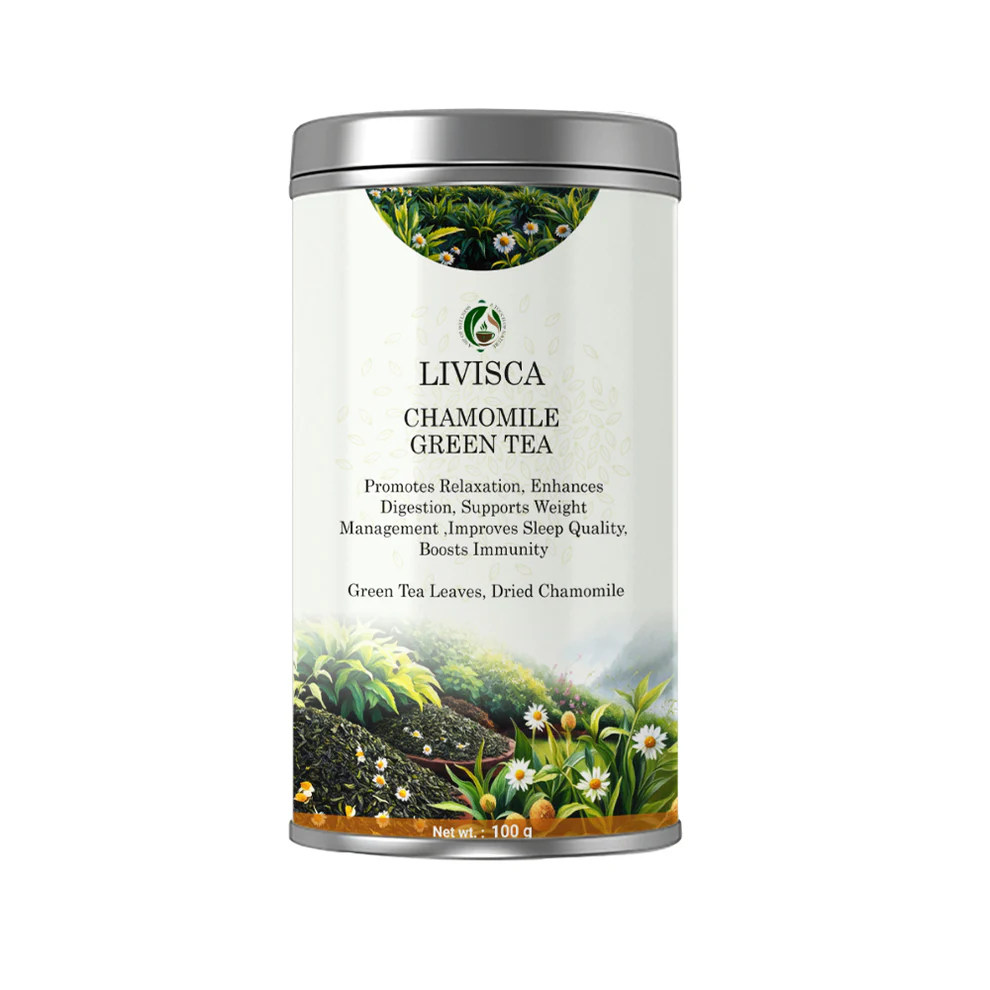 | https://www.livisca.com |
| Ashwagandha & Green Tea | A wellness blend combining adaptogenic ashwagandha with energizing green tea. Supports stress balance. | 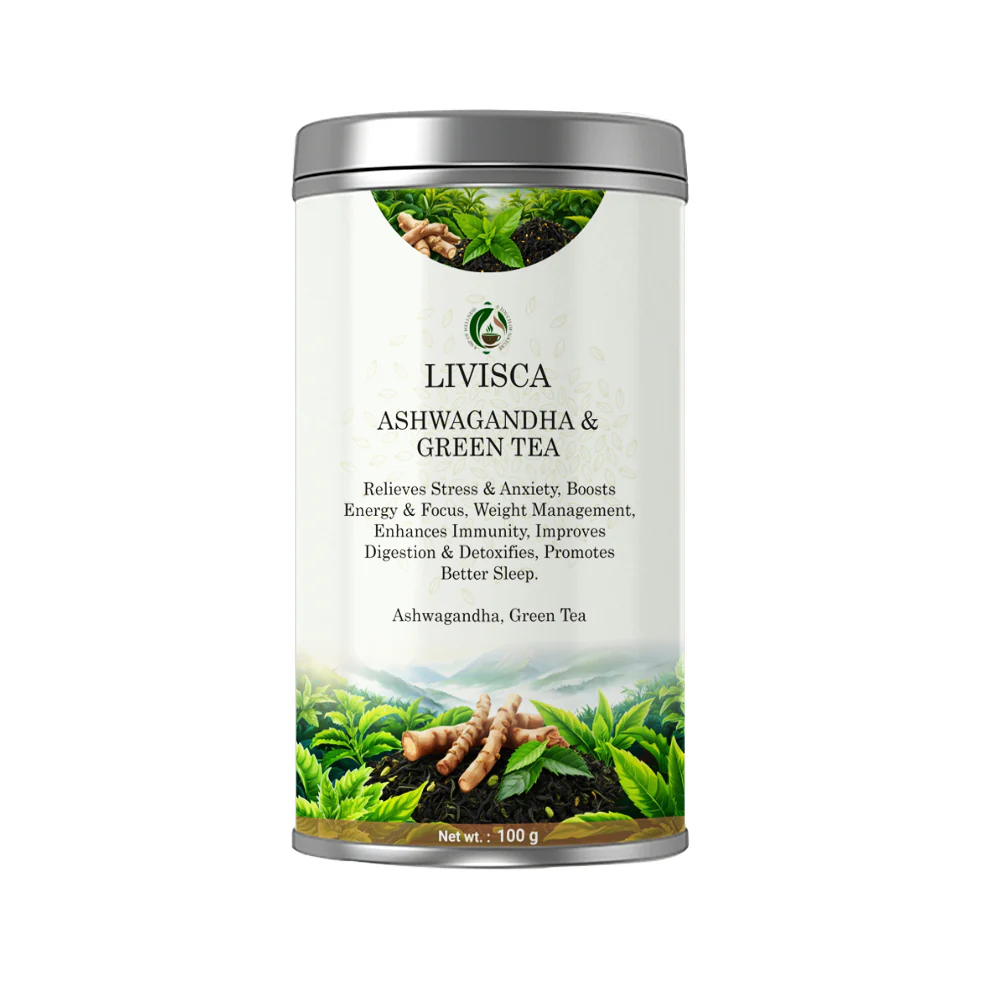 | https://www.livisca.com |
| Calendula & Green Tea | Gentle herbal infusion with calendula and green tea for calming and skin-friendly effects. | 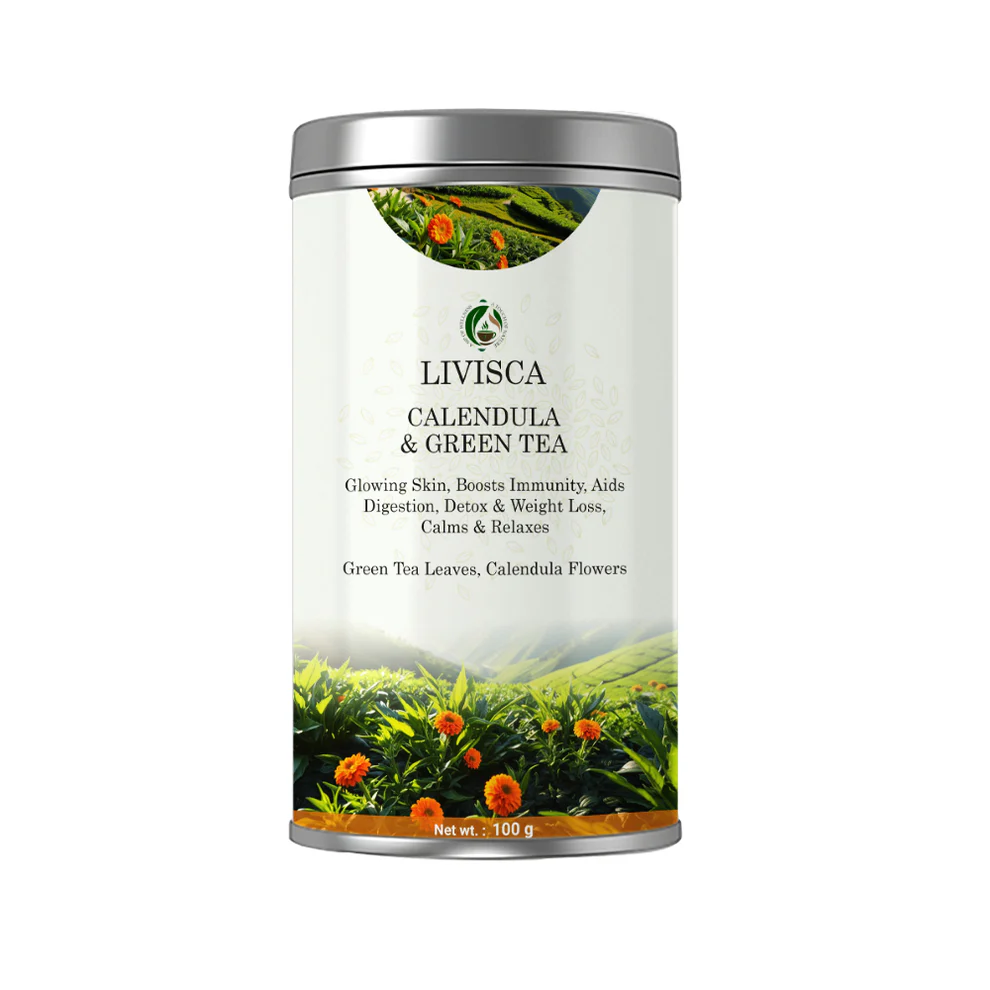 | https://www.livisca.com |
These teas are designed to support relaxation and emotional balance through natural ingredients. When paired with mindful routines and practical Mental Health Tips, even small rituals like tea time can become meaningful Anxiety Relief Methods. Mental Wellness Tips to Reduce Stress , Over time, these quiet moments contribute to steadier mental wellness.
