

Your daily habits, whether related to food, sleep, exercise, or stress, can significantly impact your gut health. Poor dietary choices, lack of sleep, chronic stress, and an inactive lifestyle can all damage your gut microbiome, leading to digestive issues, inflammation, and overall discomfort.
Your gut health is central to your overall well-being, influencing everything from digestion to immunity and mental health. Understanding how daily habits damage your gut health can help you make better choices to protect it.
How Does Poor Diet Damage Your Gut Health?
A poor diet, especially one high in processed foods, refined sugars, and low in fiber, can severely damage your gut health by disrupting the balance of gut bacteria and impairing digestion.
A poor diet is one of the most significant contributors to gut health issues. The foods we eat directly impact the composition of our gut microbiota—the community of bacteria, viruses, and other microorganisms in our intestines. A diet rich in processed foods, added sugars, and unhealthy fats can foster an imbalance in the gut microbiome, often referred to as dysbiosis. Dysbiosis can lead to digestive problems, inflammation, and even affect your mood and immune function.
Additionally, a lack of fiber in the diet reduces the diversity of gut bacteria, making it harder for beneficial bacteria to thrive.
What Are the Worst Foods for Your Gut Health?
The worst foods for your gut health include processed foods, sugary snacks, fried foods, and artificial sweeteners, as they all disrupt the balance of gut bacteria and lead to inflammation.
Some foods are particularly harmful to the gut microbiome. These include:
- Processed Foods – These foods often contain additives, preservatives, and unhealthy fats, which can disrupt gut bacteria and cause inflammation.
- Sugar – High sugar intake promotes the growth of harmful bacteria and yeast, leading to an imbalance in the gut.
- Fried Foods – Excessive fats and oils can trigger inflammation and alter the gut microbiome.
- Artificial Sweeteners – These can disrupt the balance of gut flora, leading to digestive issues and potentially harming gut health.
How Processed Foods Affect Gut Flora
Processed foods are often low in nutrients and high in unhealthy fats and sugars. damage your gut health These ingredients can lead to inflammation in the digestive tract, impair digestion, and alter the composition of gut bacteria. Over time, a diet high in processed foods can diminish the population of beneficial bacteria, leaving harmful microorganisms to proliferate.
Why Sugar is Harmful to Your Gut Microbiome
Sugar feeds harmful bacteria and yeast in the gut, promoting their overgrowth. This can lead to an imbalance in gut flora, contributing to conditions like leaky gut syndrome and inflammation. Additionally, a high-sugar diet weakens the gut lining, allowing toxins to leak into the bloodstream, which can further damage gut health.
How Does a Lack of Fiber Impact Gut Health?
A lack of fiber impairs digestion by reducing the diversity of gut bacteria and hindering the production of short-chain fatty acids, which are essential for gut health.
Fiber is essential for healthy digestion. damage your gut health It acts as food for beneficial bacteria in the gut, helping them thrive and maintain a balanced microbiome. Without sufficient fiber, the production of short-chain fatty acids (SCFAs), which support the gut lining and help regulate immune function, is compromised. This can lead to digestive problems, constipation, and a weakened immune system.
What Happens When You Don’t Eat Enough Fiber?
When fiber intake is low, the beneficial bacteria in your gut struggle to survive. This can lead to an overgrowth of harmful bacteria, contributing to digestive problems such as bloating, constipation, and gas. Moreover, low fiber intake can affect the gut’s ability to regulate blood sugar and cholesterol levels, increasing the risk of metabolic diseases.
Can Fiber-Rich Foods Repair Gut Health?
Yes! Incorporating more fiber into your diet can help restore gut balance by feeding beneficial bacteria. Foods like whole grains, fruits, vegetables, legumes, and nuts are rich in fiber and can help improve digestion, reduce inflammation, and promote the growth of healthy gut bacteria.
How Do Stress and Anxiety Damage Your Gut Health?
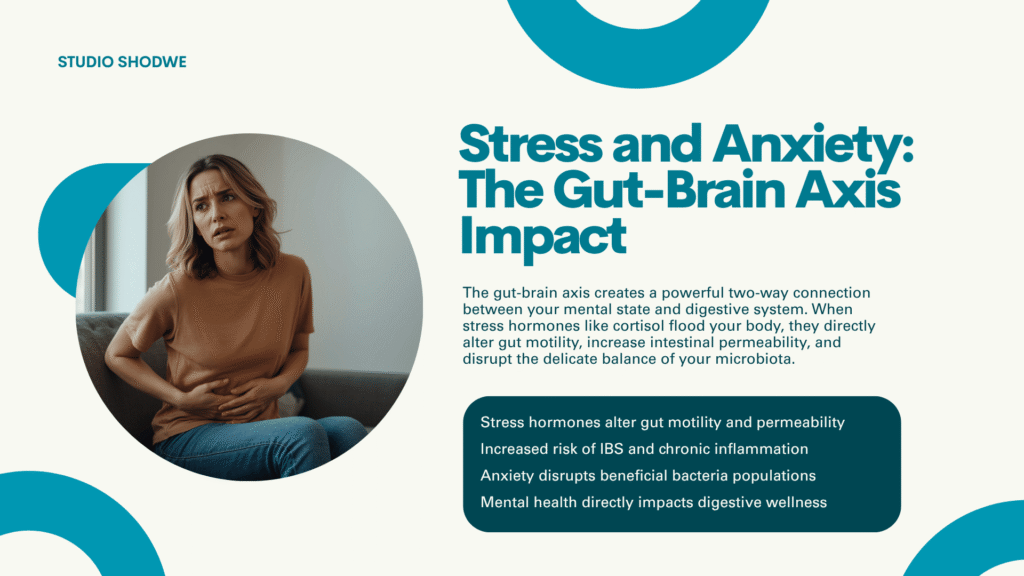
Chronic stress and anxiety can damage gut health by disrupting the gut-brain connection, leading to an imbalance in gut bacteria and increased gut permeability (leaky gut).
Stress and anxiety can have a profound impact on your gut health. The gut and brain are closely connected through the gut-brain axis, which means that emotional stress can directly affect digestion and gut function. Stress can alter the composition of gut bacteria, decrease the production of gut-protecting mucus, and increase gut permeability, which leads to inflammation and digestive issues.
Why Does Chronic Stress Affect the Gut?
Chronic stress disrupts the balance of gut bacteria by altering hormone levels and increasing gut permeability, leading to inflammation and digestive problems.
When you’re stressed, your body releases stress hormones such as cortisol, which can affect the gut in several ways. These hormones can reduce the production of beneficial gut bacteria and increase the growth of harmful bacteria. Stress also affects the digestive system by slowing down digestion, which can lead to bloating, constipation, and discomfort.
The Gut-Brain Connection: How Stress Alters Digestion
Stress impacts the gut in a variety of ways, including increasing gut permeability, which is also known as leaky gut syndrome. When the gut lining is damaged, harmful substances can leak into the bloodstream, causing inflammation and triggering immune responses. This can lead to digestive issues and chronic conditions like irritable bowel syndrome (IBS).
Can Meditation Help Prevent Stress-Induced Gut Damage?
Yes, regular meditation can help reduce stress levels, improve digestion, and promote a healthier gut microbiome. Studies show that mindfulness practices such as meditation can lower cortisol levels, damage your gut health reduce inflammation, and support the growth of beneficial gut bacteria.
Does Anxiety Worsen Gut Health Over Time?
Anxiety can worsen gut health over time by increasing gut permeability and reducing the growth of beneficial bacteria, leading to chronic digestive issues.
Chronic anxiety can have long-term effects on gut health by altering the balance of gut bacteria and increasing gut inflammation. Over time, this can lead to conditions such as leaky gut syndrome and irritable bowel syndrome (IBS), both of which can cause long-term digestive discomfort.
The Impact of Anxiety on Gut Permeability
Anxiety has been linked to increased gut permeability, which allows harmful substances to leak into the bloodstream. This triggers an immune response, causing inflammation that can lead to digestive issues such as bloating, gas, and discomfort.
Can Probiotics Help Combat Anxiety-Related Gut Issues?
Yes, probiotics may help manage anxiety-related gut issues. Probiotics can restore the balance of gut bacteria, reduce inflammation, and support overall gut health, which may alleviate anxiety-related digestive symptoms.
How Can Lack of Sleep Damage Your Gut Health?
Lack of sleep can damage your gut health by disrupting the balance of gut bacteria, reducing the production of short-chain fatty acids, and weakening the gut lining.
Sleep is essential for maintaining a healthy gut microbiome. damage your gut health Studies show that poor sleep habits can alter the composition of gut bacteria, leading to an imbalance that affects digestion, metabolism, and immunity. Sleep deprivation also reduces the production of short-chain fatty acids, which are crucial for gut health, and weakens the gut lining, making it more susceptible to damage.
How Does Poor Sleep Affect Gut Microbiota?
Poor sleep can disrupt the composition of gut bacteria, favoring the growth of harmful microorganisms. This imbalance can lead to digestive problems, immune dysfunction, and even affect your mental health. Ensuring you get enough sleep helps maintain the healthy balance of gut bacteria.
The Role of Sleep in Gut Restoration
During sleep, the body undergoes repair and restoration, including the restoration of gut health. Lack of sleep interferes with the production of essential gut-protecting substances like mucus, which leaves the gut vulnerable to inflammation and damage.
Can Poor Sleep Lead to Digestive Disorders?
Yes, chronic sleep deprivation has been linked to several digestive disorders, including irritable bowel syndrome (IBS), acid reflux, and leaky gut syndrome. Poor sleep affects gut motility, reduces nutrient absorption, and weakens the gut lining, contributing to these conditions.
What Are the Long-Term Effects of Sleep Deprivation on Gut Health?
Long-term sleep deprivation can lead to a weakened gut lining, an imbalance in gut bacteria, and increased susceptibility to digestive disorders.
Over time, poor sleep can disrupt the gut’s natural healing processes, leading to long-term issues such as chronic inflammation, digestive discomfort, and an increased risk of gut-related diseases.
How Sleep Patterns Influence Gut Bacteria Composition
Sleep patterns directly influence the diversity and balance of gut bacteria. Regular, sufficient sleep helps maintain a healthy microbiome, while irregular or insufficient sleep can promote the growth of harmful bacteria.
Are Gut Issues Linked to Insomnia or Sleep Apnea?
Yes, both insomnia and sleep apnea have been linked to gut health issues. Sleep disorders can disrupt the gut’s healing process, weaken the gut lining, and alter the balance of gut bacteria, leading to digestive disturbances.
How Does Sedentary Lifestyle Damage Your Gut Health?
A sedentary lifestyle damages gut health by slowing down digestion, reducing blood flow to the gut, and promoting the growth of harmful bacteria.
Lack of physical activity can contribute to a variety of digestive issues, including constipation, bloating, and poor nutrient absorption. Exercise helps stimulate digestion, improves gut motility, and promotes a diverse gut microbiome, while a sedentary lifestyle can lead to gut stagnation and an imbalance in gut bacteria.
What Happens to Your Gut When You Don’t Exercise?
When you don’t exercise, your digestive system becomes sluggish, leading to constipation and poor gut motility. Physical activity also promotes blood flow to the gut, which helps maintain a healthy microbiome and supports optimal digestive function.
How Physical Activity Supports Healthy Digestion
Regular physical activity stimulates digestion by increasing blood flow to the gut and promoting the movement of food through the digestive tract. This helps prevent constipation, bloating, and other digestive issues.
Can Lack of Exercise Lead to Gut Inflammation?
Yes, a lack of exercise can lead to gut inflammation by promoting an imbalance in gut bacteria. This can result in chronic digestive issues, such as irritable bowel syndrome (IBS) or inflammatory bowel diseases (IBD).
How Can You Improve Gut Health Through Movement?
Regular physical activity, such as walking, yoga, and strength training, can improve gut health by stimulating digestion, promoting healthy gut bacteria, and reducing inflammation.
Exercise helps improve gut health by promoting blood flow to the digestive system and encouraging the growth of beneficial bacteria. Activities like walking, yoga, and aerobic exercise have been shown to improve digestion and reduce gut inflammation.
What Types of Exercise Are Best for Gut Health?
Aerobic exercise, strength training, and activities like yoga or Pilates can all help improve gut health. These exercises promote better digestion, improve gut motility, and support a balanced microbiome.
Can Walking and Yoga Improve Digestion?
Yes, both walking and yoga are excellent ways to improve digestion. Walking promotes gut motility, while yoga helps reduce stress and improve the flow of energy throughout the body, including the digestive system.
Can Overuse of Antibiotics Damage Your Gut Health?
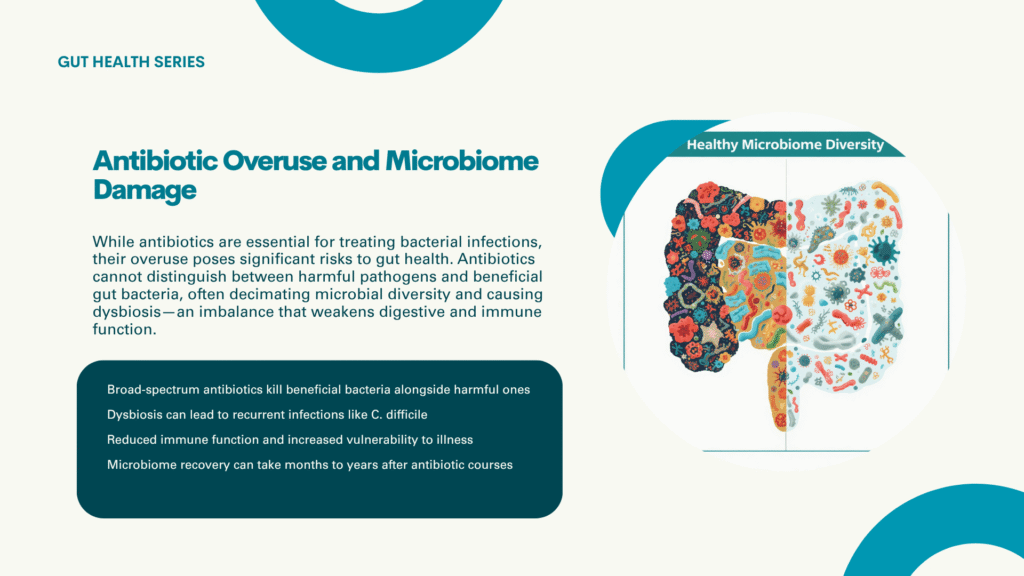
Overusing antibiotics can damage your gut health by disrupting the balance of gut bacteria, leading to digestive problems and a weakened immune system.
Antibiotics are essential for treating bacterial infections, but overuse can significantly harm gut health. Antibiotics kill both harmful and beneficial bacteria, which can lead to an imbalance in the microbiome. This imbalance can cause digestive issues, weaken the immune system, and make you more susceptible to infections.
How Do Antibiotics Affect Gut Bacteria?
Antibiotics can disrupt the natural balance of gut bacteria by killing both harmful and beneficial bacteria, leading to dysbiosis, digestive discomfort, and a weakened immune system.
Antibiotics target bacteria, but they don’t discriminate between good and bad bacteria. As a result, they can disrupt the balance of microorganisms in the gut, leading to conditions like diarrhea, bloating, and even infections like Clostridium difficile (C. diff).
What Happens When Your Gut Flora Is Disrupted?
When your gut flora is disrupted, harmful bacteria can overgrow, leading to an imbalance that can cause digestive issues, inflammation, and a weakened immune system. This imbalance may also contribute to chronic conditions like irritable bowel syndrome (IBS).
How Long Does It Take to Recover From Antibiotic-Induced Gut Damage?
Recovery from antibiotic-induced gut damage varies, but it generally takes a few weeks to several months for the gut microbiome to return to normal. A diet rich in fiber, probiotics, and prebiotics can help speed up this process.
Are There Alternatives to Antibiotics for Gut Health?
Probiotics, prebiotics, and a healthy diet can help restore gut balance and support gut health after antibiotic use.
After taking antibiotics, it’s essential to support your gut health with probiotics, which introduce beneficial bacteria to your gut, and prebiotics, which feed these bacteria. Additionally, consuming a diet rich in fiber, fruits, and vegetables can help restore the microbiome.
How Probiotics Can Help Restore Gut Balance
Probiotics are live microorganisms that can help restore the balance of gut bacteria after antibiotic treatment. They can improve digestion, reduce inflammation, and support overall gut health.
Can Diet and Prebiotics Support Gut Health After Antibiotics?
Yes, prebiotics and a fiber-rich diet are crucial for restoring gut health after antibiotics. Prebiotics nourish beneficial bacteria, helping them thrive and repopulate your gut. A healthy diet also promotes gut healing and restores balance to the microbiome.
How Do Environmental Toxins Damage Your Gut Health?
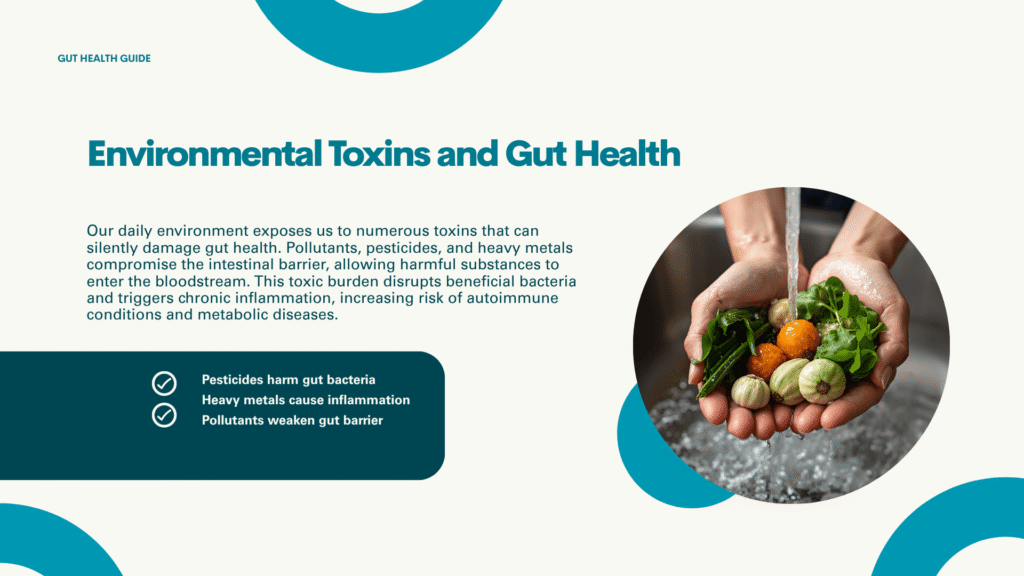
Environmental toxins such as pollutants, chemicals in household products, and pesticides can harm your gut health by disrupting the balance of bacteria and increasing gut permeability.
Environmental toxins are everywhere, from the air we breathe to the products we use. Many of these toxins can damage the gut by disrupting the microbiome, leading to inflammation, gut permeability, and digestive disorders. These toxins can also weaken the gut lining, increasing the risk of leaky gut syndrome.
What Are the Key Toxins That Affect Your Gut?
Key environmental toxins include pollutants, pesticides, heavy metals, and chemicals found in household products. These toxins can disrupt gut bacteria and cause inflammation.
Pollutants in the air, chemicals in cleaning products, and pesticides on food can all contribute to gut dysfunction. These toxins can alter the balance of gut bacteria, leading to digestive issues, inflammation, and immune system problems.
The Effect of Pollutants on Gut Function
Pollutants like air pollution and industrial chemicals can negatively impact gut health by disrupting the microbiome, leading to inflammation and an increased risk of diseases like irritable bowel syndrome (IBS) and inflammatory bowel disease (IBD).
How Chemicals in Household Products Impact Gut Health
Chemicals in cleaning products, cosmetics, and plastics can disrupt gut function by interfering with gut bacteria. Long-term exposure to these chemicals can lead to gut imbalances and digestive disorders.
How Can You Protect Your Gut From Environmental Toxins?
To protect your gut from environmental toxins, minimize exposure to harmful chemicals, eat organic foods, and use natural cleaning products.
Reducing exposure to environmental toxins can protect your gut health. Choose organic foods to avoid pesticides, opt for natural cleaning products, and reduce the use of plastics and chemicals in your home. These steps help maintain a healthy microbiome and support gut integrity.
What Are the Best Detox Strategies for Your Gut?
Effective detox strategies for your gut include eating fiber-rich foods, staying hydrated, and supporting your liver with antioxidants and herbal teas like Livisca. These strategies help eliminate toxins from the body and promote a healthy gut.
Can Eating Organic Foods Help Your Gut Microbiome?
Yes, eating organic foods can support your gut microbiome by reducing your exposure to harmful pesticides and chemicals. Organic produce tends to be richer in nutrients and less likely to disrupt gut health.
How Can Your Drinking Habits Damage Your Gut Health?
Alcohol and excessive caffeine consumption can damage your gut health by altering gut bacteria, increasing inflammation, and disrupting digestion.
Both alcohol and caffeine can disrupt the balance of gut bacteria and irritate the digestive system. Excessive alcohol consumption can lead to inflammation in the gut, while too much caffeine can lead to digestive disturbances such as acid reflux and diarrhea.
How Does Alcohol Affect Your Gut Health?
Alcohol disrupts the balance of gut bacteria, increases gut permeability, and promotes inflammation, which can damage the digestive system.
Alcohol has been shown to increase gut permeability, allowing harmful substances to enter the bloodstream. This can lead to inflammation, immune responses, and digestive problems. Chronic alcohol consumption is also linked to liver damage and gut dysbiosis.
What Impact Does Alcohol Have on Gut Flora?
Alcohol alters the balance of gut bacteria, reducing the population of beneficial microorganisms while promoting the growth of harmful bacteria. This imbalance can lead to digestive issues and weakened immunity.
How Does Drinking Affect Gut Inflammation?
Excessive drinking increases inflammation in the gut, which can lead to conditions like gastritis, leaky gut syndrome, and irritable bowel syndrome (IBS). Chronic inflammation also affects the gut lining, making it more susceptible to damage.
How Does Caffeine Impact Digestion and Gut Health?
Excessive caffeine can lead to digestive disturbances, increase gut irritation, and promote an imbalance in gut bacteria.
While moderate caffeine consumption may stimulate digestion, too much caffeine can lead to acid reflux, bloating, and discomfort. It can also disrupt the balance of gut bacteria, leading to inflammation and other digestive issues.
Does Coffee Help or Hurt Your Gut Microbiome?
Coffee can have both positive and negative effects on gut health. In moderation, it may stimulate digestion and support healthy gut bacteria. However, excessive coffee consumption can lead to gut irritation and disrupt the microbiome.
Can Too Much Caffeine Lead to Digestive Disturbances?
Yes, excessive caffeine consumption can irritate the digestive tract, leading to acid reflux, bloating, and diarrhea. It can also increase the production of stomach acid, contributing to digestive discomfort.
What Are the First Signs That Your Gut Health Is Being Damaged?
Common signs of gut damage include bloating, gas, constipation, diarrhea, and food sensitivities.
Signs that your gut health may be compromised include digestive discomfort, irregular bowel movements, bloating, and gas. damage your gut health Additionally, unexplained food sensitivities, skin rashes, and even mood changes can indicate gut health issues.
What Are Common Symptoms of Gut Damage?
Common symptoms include:
- Bloating
- Gas
- Constipation or diarrhea
- Food sensitivities
- Fatigue
These symptoms can indicate an imbalance in gut bacteria or inflammation in the digestive system.
Bloating and Gas: Are They Signals of Gut Distress?
Yes, frequent bloating and gas can be signs of gut distress, indicating an imbalance in gut bacteria, poor digestion, or issues like irritable bowel syndrome (IBS).
How to Recognize Signs of Leaky Gut Syndrome
Leaky gut syndrome is characterized by increased gut permeability, which can lead to systemic inflammation, fatigue, and digestive problems. Signs include chronic bloating, food sensitivities, joint pain, and skin rashes.
How Can You Tell if Your Daily Habits Are Damaging Your Gut Health?
If you’re experiencing frequent digestive issues, fatigue, and skin problems, your daily habits might be damaging your gut health.
Regular bloating, discomfort, constipation, diarrhea, or fatigue can be signs that your gut is suffering from the effects of poor habits like stress, diet, lack of exercise, or poor sleep.
Key Signs That Point to Gut Imbalance
Signs of gut imbalance include:
- Digestive discomfort
- Chronic bloating and gas
- Food intolerances
- Skin issues like acne or eczema
- Mood swings
How Long Does It Take for Poor Habits to Affect Your Gut?
It can take weeks or even months for poor habits to significantly Damage Your Gut Health . The timeline depends on factors like the severity of the habits, genetics, and overall lifestyle.
How Can You Reverse the Damage to Your Gut Health?
To reverse gut damage, focus on improving your diet, reducing stress, getting enough sleep, and incorporating probiotics into your routine.
Reversing gut damage involves making dietary and lifestyle changes that promote gut health. This includes eating a balanced diet rich in fiber, managing stress, sleeping well, exercising regularly, and taking probiotics to restore the balance of gut bacteria.
What Changes Should You Make to Protect Your Gut?
Eat a balanced, fiber-rich diet, manage stress, exercise regularly, and get enough sleep to protect your gut health.
A gut-healing diet includes whole foods, probiotics, prebiotics, and fiber. Reducing stress through meditation or mindfulness practices can also support gut health, as can regular exercise.
The Role of a Gut-Healing Diet
A diet rich in vegetables, fruits, whole grains, and fermented foods helps restore gut health by nourishing beneficial bacteria and reducing inflammation.
How Probiotics and Prebiotics Help Restore Gut Health
Probiotics introduce beneficial bacteria to the gut, while prebiotics nourish those bacteria, helping them thrive and restore balance to the microbiome.
How Long Will It Take to Heal Gut Damage?
Healing gut damage can take a few weeks to several months, depending on the extent of the damage and the lifestyle changes made.
With proper care, you can begin to see improvements in your gut health within a few weeks. However, complete recovery may take several months, depending on the severity of the damage and how well you follow a gut-healing regimen.
How Can You Speed Up Gut Recovery?
To speed up gut recovery, focus on eating a gut-friendly diet, taking probiotics, getting plenty of sleep, managing stress, and staying active.
Are There Supplements That Help Repair Gut Health?
Supplements like probiotics, prebiotics, and L-glutamine can support gut healing. damage your gut health However, it’s essential to focus on a healthy diet and lifestyle to ensure lasting improvements.
