

Screens have become a part of almost every moment of our day. From checking messages in the morning to scrolling through social media before bed, most of us spend hours looking at phones, laptops, tablets, and televisions.
Technology has made life easier in many ways, but excessive screen time can also affect our mental well-being. Many people experience increased stress, difficulty concentrating, poor sleep quality, and feelings of mental exhaustion after spending long hours online.
A digital detox does not mean completely giving up technology. Instead, it involves creating healthier habits and giving the mind regular breaks from constant digital stimulation. In this article, we’ll explore how excessive screen time affects mental health and sleep, along with practical ways to build a healthier relationship with technology. Developing mindful habits and creating moments of relaxation throughout the day can help reduce digital overload and support overall well-being.
How Screen Time Affects Mental Health
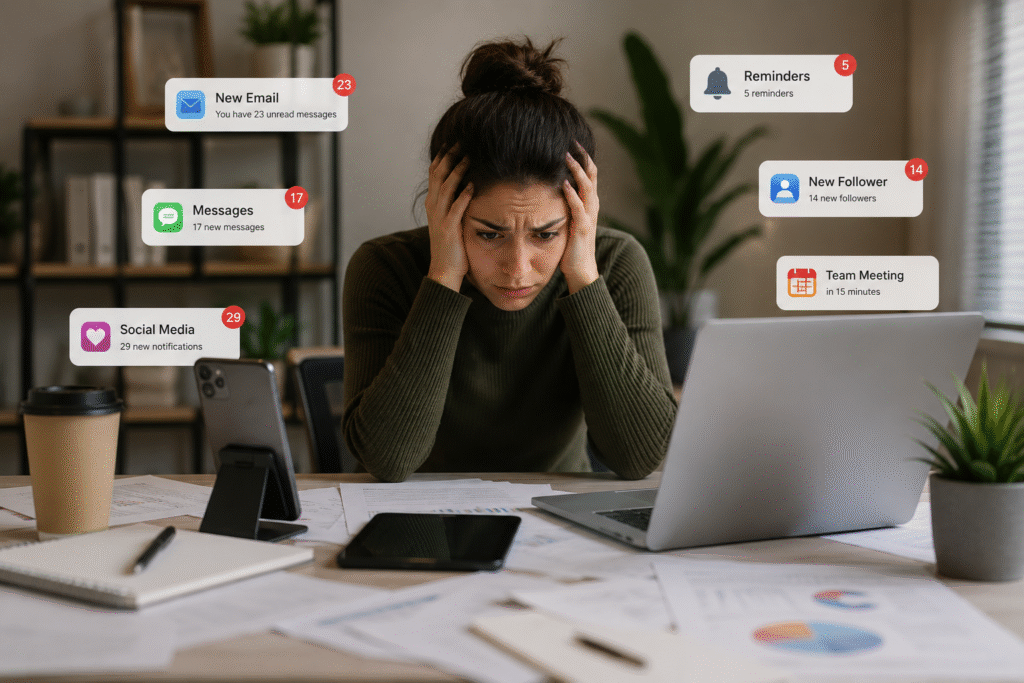
Our brains were not designed to process endless notifications, videos, messages, and information every minute of the day. Constant digital stimulation can make it difficult for the mind to rest.
Many people notice feelings of stress or anxiety after spending long periods on social media. Comparing ourselves to others, reading negative news, or constantly checking updates can create mental fatigue and emotional overwhelm.
Excessive screen use may also reduce our ability to stay focused on a single task. When attention is repeatedly interrupted by notifications and app switching, concentration becomes more difficult over time.
The Connection Between Screen Time and Stress
Technology often keeps us connected to work, social obligations, and information around the clock. While staying informed can be useful, it can also make it harder to mentally switch off.
Many people continue checking emails, work messages, or social media long after working hours are over. This constant connection can prevent the mind from fully relaxing.
As a result, stress may accumulate throughout the day, leaving people feeling mentally exhausted even when they have not been physically active.
How Screens Affect Sleep Quality
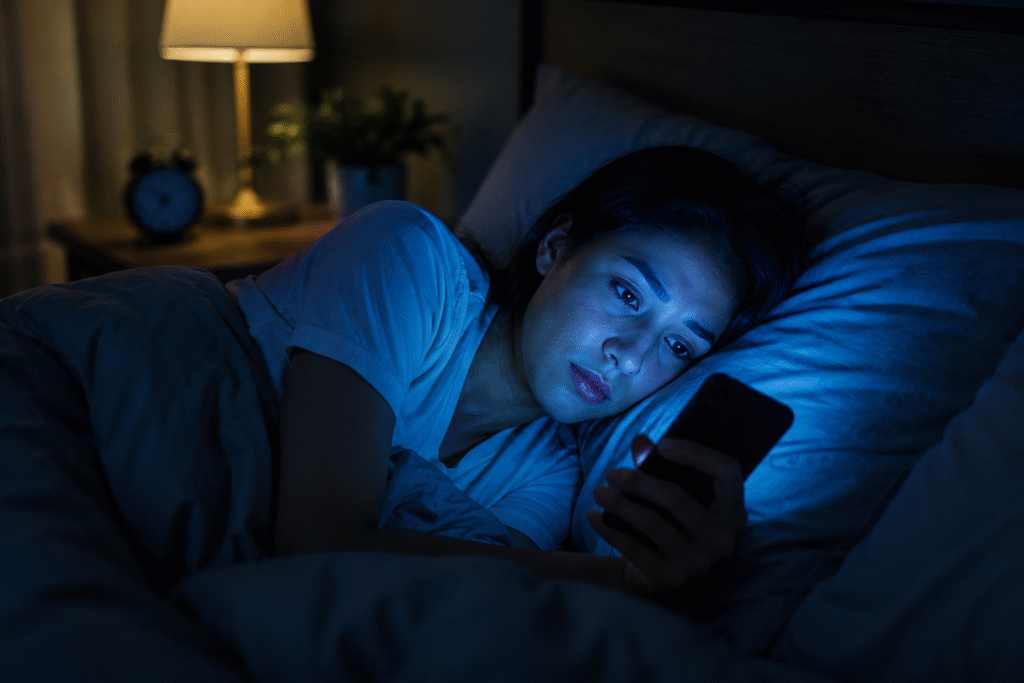
One of the biggest effects of excessive screen time is poor sleep.
Many people use their phones or laptops right before bed. However, the blue light emitted by screens can interfere with the body’s natural sleep cycle.
When the brain is exposed to bright light late in the evening, it may delay the production of melatonin, a hormone that helps regulate sleep.
In addition to light exposure, consuming stimulating content before bedtime can keep the mind active when it should be preparing for rest.
Common signs that screen time may be affecting sleep include:
- Difficulty falling asleep
- Frequent nighttime waking
- Feeling tired despite getting enough hours of sleep
- Difficulty waking up in the morning
Signs You May Need a Digital Detox
Many people don’t realize how much screen time affects their daily lives until they intentionally reduce it.
Some common signs include:
- Constantly checking your phone without a specific reason
- Feeling anxious when separated from devices
- Difficulty focusing on tasks
- Reduced productivity
- Trouble sleeping
- Frequent mental fatigue
- Feeling overwhelmed by notifications
Recognizing these patterns is the first step toward creating healthier habits.
Practical Digital Detox Tips
1. Create Screen-Free Mornings
Avoid checking your phone immediately after waking up. Give yourself at least 20 to 30 minutes before opening social media or emails.
Starting the day calmly can improve focus and reduce stress.
2. Set Notification Limits
Many notifications are not urgent. Turning off unnecessary alerts can help reduce distractions and mental clutter.
3. Take Regular Breaks
If you work on a computer, try stepping away from the screen every hour. Short breaks can reduce eye strain and improve concentration.
4. Establish a Screen-Free Bedtime Routine
Consider avoiding screens for at least one hour before sleep.
Instead, try activities such as:
- Reading a book
- Journaling
- Gentle stretching
- Meditation
- Drinking a warm herbal tea
Creating a calming evening routine can help the body transition into rest more naturally. Replacing late-night scrolling with mindful habits allows the mind to slow down and prepare for sleep. A warm cup of herbal tea can be a comforting part of this routine. Wellness-focused blends such as Livisca Detox & Liver Health Tea and Livisca Liver Cleanse Green Tea can be enjoyed as part of a screen-free evening ritual alongside reading, journaling, or meditation, helping create a dedicated moment of relaxation and self-care.

Wellness Rituals That Support a Digital Detox
Creating healthy boundaries with technology becomes easier when screen-free time is replaced with meaningful self-care habits. Activities such as reading, mindful breathing, journaling, and enjoying a warm herbal beverage can help create moments of calm during the day.
For those looking to build a relaxing evening routine, Livisca Detox & Liver Health Tea and Livisca Liver Cleanse Green Tea can be incorporated into a wellness-focused lifestyle alongside other digital detox practices.
The Importance of Balance
Technology itself is not the problem. It helps us learn, work, communicate, and stay connected.
The goal of a digital detox is not to eliminate technology completely but to use it more intentionally. Small changes in daily habits can make a significant difference in mental clarity, stress management, and sleep quality.
Creating healthy boundaries with screens allows the mind to rest, recharge, and focus on the present moment.
Conclusion
In today’s digital world, spending time on screens is unavoidable. However, excessive screen exposure can contribute to stress, reduced concentration, and poor sleep quality.
By taking regular breaks, limiting screen use before bedtime, and creating healthier digital habits, it is possible to improve both mental well-being and overall quality of life.
A digital detox does not require drastic changes. Even small steps can help create a healthier balance between technology and wellness, allowing the mind and body to function at their best. Combining these habits with intentional self-care practices—such as reading, journaling, meditation, and enjoying a warm cup of Livisca Detox & Liver Health Tea or Livisca Liver Cleanse Green Tea—can make a screen-free evening routine feel more relaxing, enjoyable, and sustainable .
