

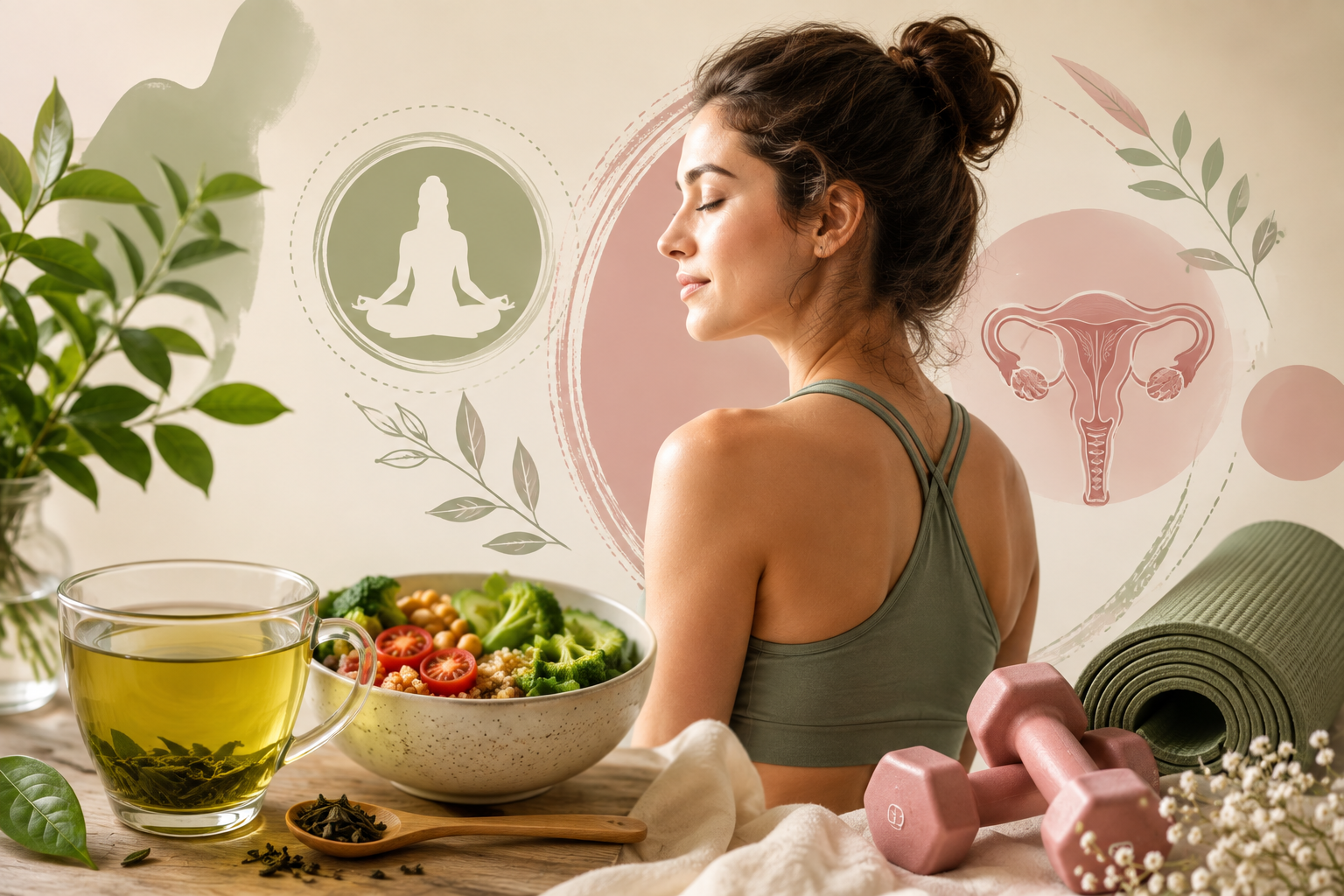
Polycystic ovary syndrome, commonly known as PCOS, is a hormonal and metabolic condition that affects many women during their reproductive years. It can be associated with irregular menstrual cycles, acne, unwanted hair growth, weight changes, insulin resistance, and difficulties with ovulation. While PCOS can be challenging to manage, lifestyle choices can play an important role in supporting overall health and improving some symptoms. Nutrition, regular physical activity, quality sleep, and stress management can all become valuable parts of a long-term PCOS management plan. Rather than following extreme diets or searching for quick fixes, women with PCOS can benefit from sustainable habits that support metabolic health and overall well-being.
Understanding PCOS and Its Connection With Lifestyle
PCOS is a complex condition involving hormonal and metabolic changes, and its symptoms can vary considerably from one woman to another. Some women experience mainly menstrual irregularities, while others may struggle more with insulin resistance, weight management, acne, or excess androgen-related symptoms. Insulin resistance is particularly relevant because it can cause the body to produce more insulin than necessary, which may contribute to increased androgen activity and interfere with normal ovulation. Lifestyle habits cannot “cure” PCOS, but they can support healthier blood sugar regulation, cardiovascular health, energy levels, and weight management when appropriate.
Because PCOS is different for everyone, there is no single diet or exercise routine that works for every woman. A sustainable approach focuses on overall health rather than trying to eliminate one particular food or achieving rapid weight loss. Medical guidance from a qualified healthcare professional can also be important, particularly when symptoms are significant or menstrual cycles remain irregular.
Nutrition for Better PCOS Management
A balanced eating pattern can be one of the most useful lifestyle approaches for women with PCOS. Instead of focusing on restrictive diets, it is generally more helpful to build meals around fiber-rich carbohydrates, protein, healthy fats, vegetables, fruits, and minimally processed foods. Foods containing fiber can help slow digestion and support steadier blood glucose levels, while protein can contribute to fullness and help maintain muscle mass. Healthy fat sources such as nuts, seeds, avocados, and certain vegetable oils can also form part of a balanced diet.
Managing highly processed foods and excessive intake of added sugars may be helpful, especially for women dealing with insulin resistance. However, having PCOS does not mean that every carbohydrate needs to be avoided. Whole grains, beans, lentils, vegetables, and other nutrient-rich carbohydrate sources can provide valuable fiber and micronutrients. The goal should be a sustainable eating pattern rather than a temporary “PCOS diet” that is difficult to maintain.
Nutrition also involves paying attention to overall meal patterns. Regular, balanced meals can make it easier to maintain energy throughout the day and avoid extreme hunger that may lead to overeating. If a woman has specific nutritional deficiencies, diabetes, significant weight changes, or other health conditions alongside PCOS, individualized advice from a doctor or registered dietitian can be particularly valuable.
Exercise and Physical Activity
Regular physical activity can support several aspects of PCOS management, including insulin sensitivity, cardiovascular fitness, mood, and body composition. Exercise does not need to mean spending hours in a gym. Activities such as brisk walking, cycling, swimming, dancing, strength training, or other enjoyable forms of movement can contribute to a healthier lifestyle.
Strength training can be especially useful because maintaining or building muscle supports metabolic health and physical function. Combining resistance exercises with aerobic activity can create a balanced routine, but consistency matters more than choosing a “perfect” workout. Women who are new to exercise can begin gradually and increase their activity as their fitness improves.
Exercise can also have benefits that go beyond physical health. Physical activity may help reduce stress and improve mood and sleep, which are important because PCOS can sometimes be accompanied by emotional and psychological challenges. Choosing an activity that feels enjoyable rather than treating exercise as punishment can make it easier to maintain over the long term.

Managing Stress and Supporting Hormonal Health
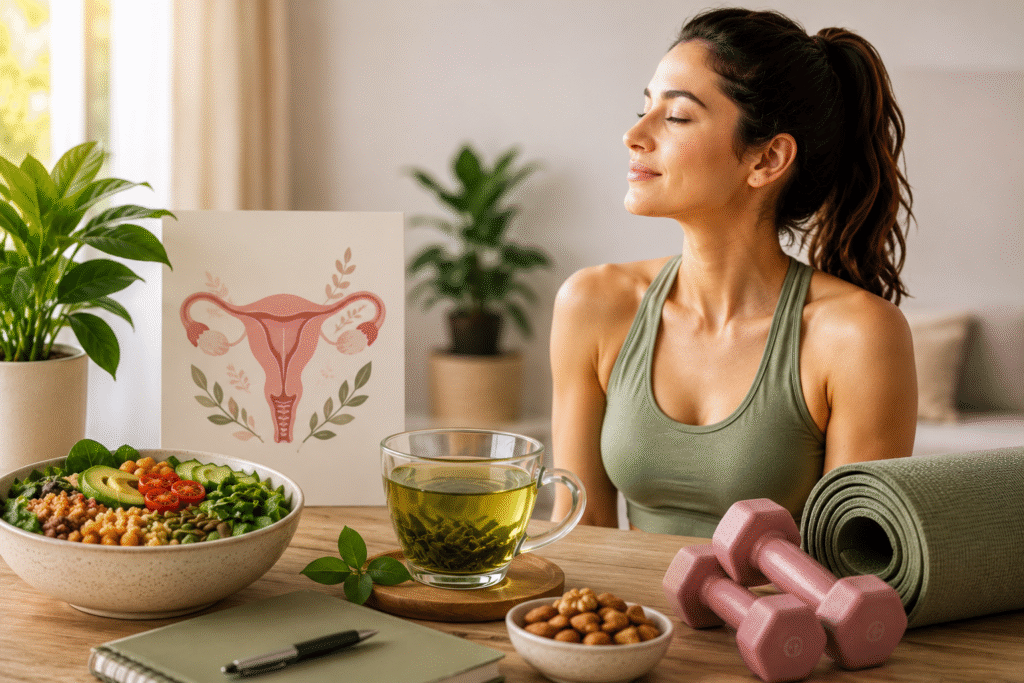
Stress is a normal part of life, but persistent stress can affect sleep, mood, eating patterns, and overall well-being. Women living with PCOS may experience additional emotional pressure because of concerns about weight, appearance, fertility, or unpredictable menstrual cycles. Developing healthy ways to manage stress can therefore be an important part of a comprehensive lifestyle approach.
Simple practices such as mindful breathing, meditation, yoga, spending time outdoors, hobbies, social connection, and maintaining a consistent sleep schedule can help support emotional well-being. Good sleep is particularly important because insufficient or irregular sleep can negatively affect energy, appetite regulation, and metabolic health. Creating a relaxing bedtime routine and maintaining consistent sleeping and waking times may make healthy habits easier to sustain.
Stress management should not be viewed as a replacement for medical treatment. If persistent anxiety, depression, severe stress, or emotional distress is affecting daily life, professional support should be considered.
Where Green Tea Can Fit Into a Healthy PCOS Lifestyle
Green tea is often discussed in conversations about PCOS, metabolism, and healthy lifestyle habits because it contains naturally occurring compounds called catechins, including epigallocatechin gallate (EGCG). Research into green tea and metabolic health is ongoing, but green tea should not be considered a treatment or cure for PCOS. Its role is better understood as a potential addition to an otherwise balanced lifestyle.
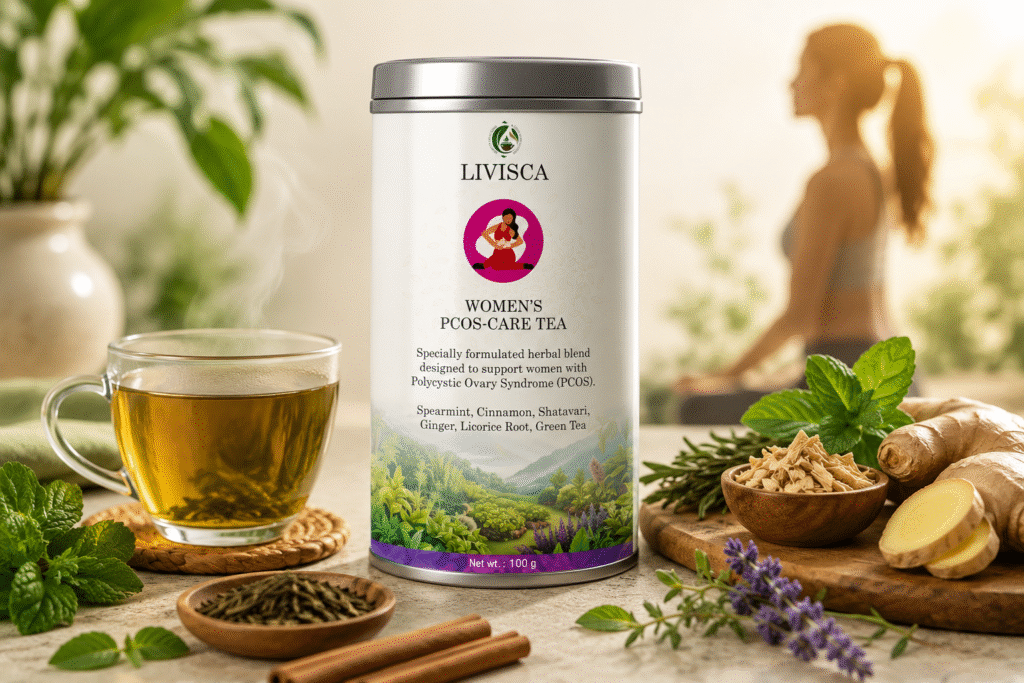
For women who enjoy green tea, Livisca Green Tea can be incorporated into a daily wellness routine as a refreshing beverage. Choosing an unsweetened version can help avoid unnecessary added sugar. However, it is important to remember that drinking green tea alone cannot correct hormonal imbalances or replace prescribed PCOS treatment. Women who take medications or have specific health conditions should discuss regular use of concentrated herbal or green tea products with their healthcare professional.
Creating Sustainable Habits for Long-Term PCOS Wellness
Managing PCOS is not about making dramatic changes overnight. Sustainable progress often comes from small habits that can realistically become part of everyday life. A balanced diet, regular movement, sufficient sleep, stress management, and appropriate medical care can work together to support overall health. Importantly, progress should not be measured only by the number on the weighing scale. Improvements in energy, menstrual regularity, fitness, mood, metabolic health, and overall quality of life can also be meaningful indicators.
Every woman experiences PCOS differently, so lifestyle changes should be personalized rather than based on trends circulating online. A healthcare professional can help identify the most appropriate treatment and determine whether additional monitoring, medication, nutritional support, or other interventions are needed.
Living with PCOS can require patience, but it does not mean that women have to feel powerless over their health. Consistent nutrition, enjoyable physical activity, effective stress management, adequate sleep, and appropriate medical support can create a strong foundation for long-term wellness. Small, realistic choices made consistently are often more valuable than extreme approaches, and a balanced lifestyle can help women take a more confident and sustainable approach to managing PCOS.


