

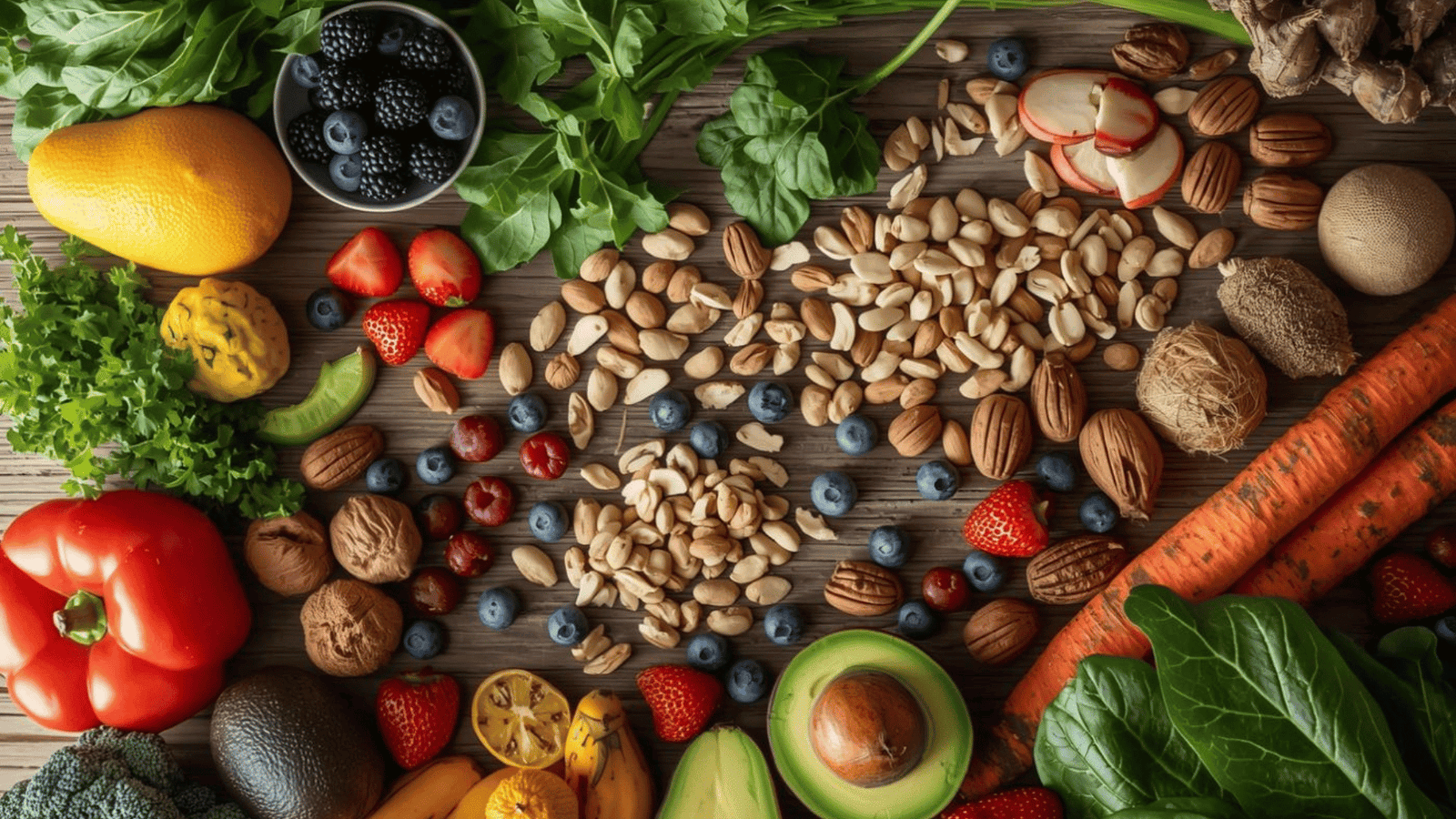
We’ve worked with enough women to know this truth: when hormones feel off, everything feels off. Sleep becomes lighter. Cravings get louder. Periods either disappear or arrive like a storm. Mood dips show up out of nowhere. And most of us are handed quick fixes that barely scratch the surface. That’s why we keep coming back to superfoods for hormone balance — not as a trend, but as a foundation.
Food isn’t magic. It won’t override chronic stress overnight or undo years of burnout in a week. But it does quietly rebuild what’s been depleted. The right foods that balance hormones naturally help steady blood sugar, calm inflammation, and support detox pathways that estrogen depends on. Over time, that consistency shifts things. A hormone balancing diet for women isn’t restrictive or extreme. It’s supportive, repeatable, and deeply nourishing. And yes, it works — slowly, reliably, and without drama.
Why Superfoods for Hormone Balance Are Essential for Women’s Health
Hormones respond to signals. Stress, sleep, blood sugar swings, even that mid-afternoon coffee we swear we need — they all speak to our endocrine system. When our meals are built around superfoods for hormone balance, we’re sending steadier signals. We’re telling cortisol it doesn’t need to spike. We’re helping insulin stay predictable. We’re giving estrogen safe pathways out of the body instead of letting it recirculate.
The best foods for hormonal health don’t just “boost” one hormone. They create balance. Fiber helps excess estrogen leave. Healthy fats provide raw materials for hormone production. Minerals like magnesium soften the stress response. Over weeks and months, that steadiness adds up. Especially for women navigating PMS mood crashes, irregular cycles, postpartum shifts, or perimenopause confusion — consistency beats intensity every time.
Support Your Hormones Naturally with Livisca Herbal Tea
When our days feel rushed and our hormones feel unpredictable, small rituals can make a real difference. Livisca Herbal Tea is a gentle, plant-based blend designed to support hormonal balance, digestion, and stress relief. We often suggest it as a calming evening routine for women dealing with bloating, mood swings, or cycle discomfort. It’s not a quick fix — just steady, daily support that pairs beautifully with other superfoods for hormone balance.
| Tea Name | Description | Product Image | Link |
|---|---|---|---|
| Chamomile Green Tea | Combines soothing chamomile with green tea to promote calm and relaxation. Ideal for evenings. | 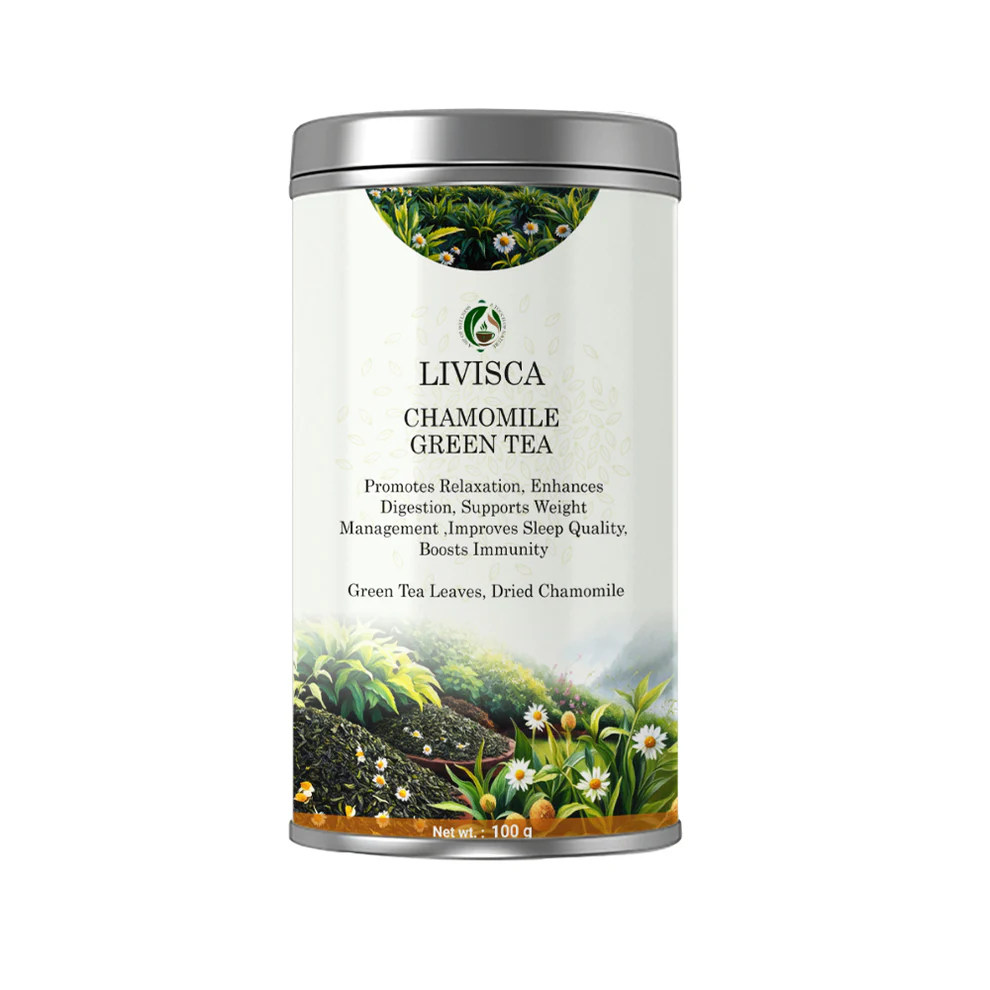 | https://www.livisca.com |
| Ashwagandha & Green Tea | A wellness blend combining adaptogenic ashwagandha with energizing green tea. Supports stress balance. | 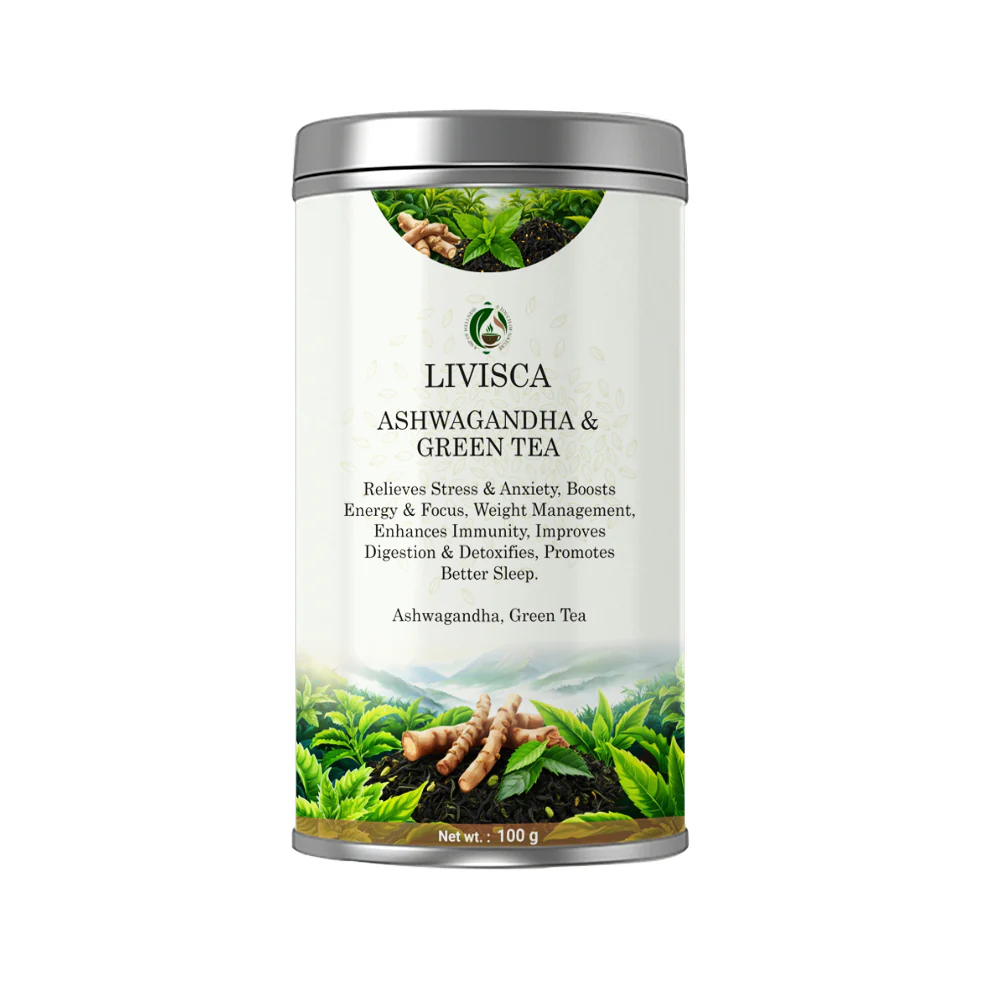 | https://www.livisca.com |
| Calendula & Green Tea | Gentle herbal infusion with calendula and green tea for calming and skin-friendly effects. | 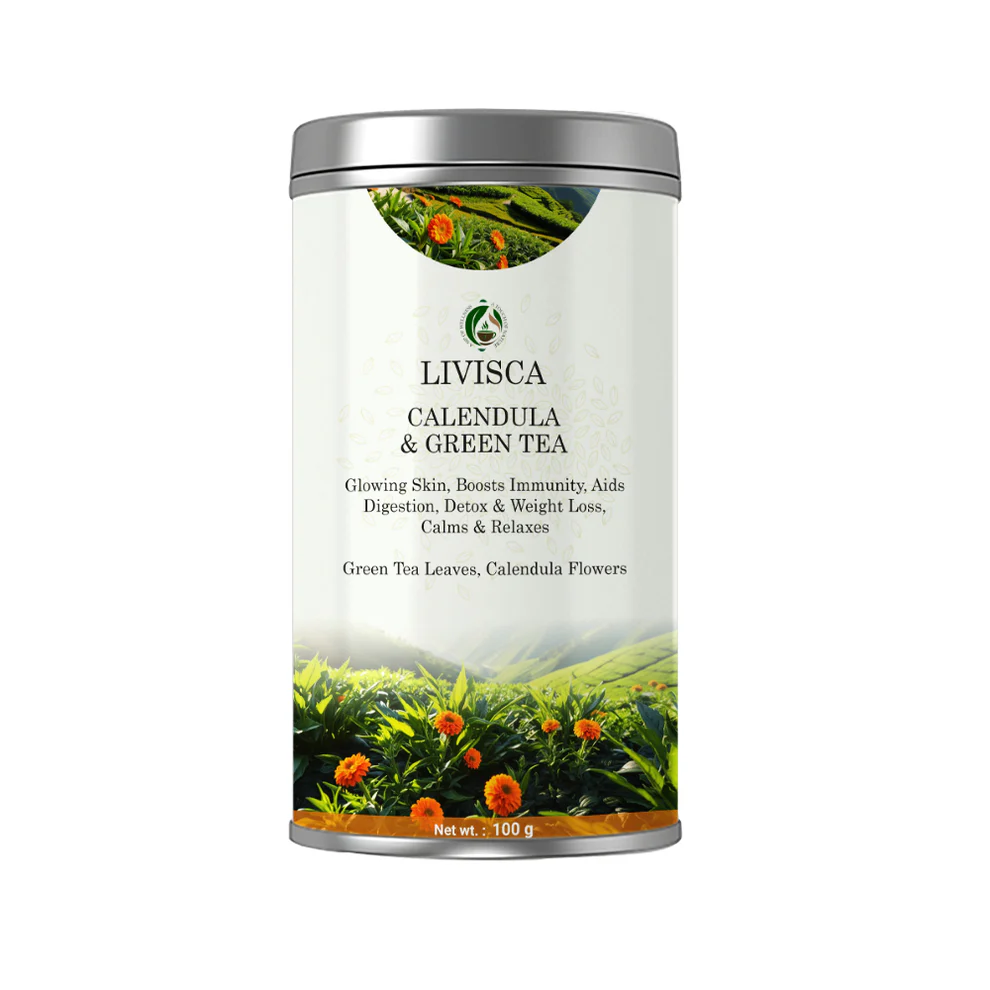 | https://www.livisca.com |

How Nutrition Impacts Hormonal Function Naturally
Our hormones are built from nutrients. That’s not poetic — it’s biochemical. Without enough protein, healthy fats, and micronutrients, the body struggles to produce and regulate estrogen, progesterone, thyroid hormones, and cortisol properly.
Blood sugar stability is one of the biggest pieces. When we skip meals or rely on refined carbs, insulin spikes. Repeated spikes push cortisol higher. Elevated cortisol then interferes with progesterone. Suddenly we’re dealing with anxiety before our period or stubborn belly weight that feels impossible to shift.
Foods that balance hormones naturally work by smoothing out those spikes. Fiber slows glucose absorption. Omega-3 fats reduce inflammatory signals. Adaptogenic plants help the body respond more intelligently to stress. It’s less about one miracle ingredient and more about daily patterns that support endocrine resilience.
The Connection Between Diet, Cortisol, Estrogen, and Insulin
Cortisol isn’t the villain — it’s protective. But when it’s constantly elevated, it competes with progesterone production. That’s when cycles shorten, PMS worsens, and sleep fragments.
Insulin, meanwhile, controls blood sugar. Frequent spikes can contribute to estrogen dominance and even symptoms tied to PCOS. When insulin stays high, the body stores more fat and produces more inflammatory compounds.
Estrogen needs proper detox support. Without fiber and liver-supportive nutrients, it can recirculate. That’s when we see heavy periods, breast tenderness, or mood swings that feel disproportionate.
superfoods for hormone balance often work because they support all three pathways at once — calming cortisol, stabilizing insulin, and helping estrogen metabolize safely. It’s a systems approach, not a shortcut.
Signs You May Need a Hormone Balancing Diet for Women
Sometimes the signs are loud: missed periods, severe PMS, hair thinning. Other times they’re subtle.
- Energy crashes around 2–3 p.m.
- Intense sugar cravings before your period
- Bloating that worsens mid-cycle
- Sleep that feels light and unrefreshing
- Mood dips that don’t match your circumstances
- Weight gain concentrated around the abdomen
- Brain fog during perimenopause
These are often signals that the body needs better nutritional support. A hormone balancing diet for women isn’t about eating less. It’s about eating in a way that steadies and rebuilds.
What Causes Hormone Imbalance?
Hormone imbalance rarely has one cause. It’s usually cumulative. Chronic stress, nutrient depletion, poor sleep, gut dysfunction, and ultra-processed foods stack up over time.
Modern life doesn’t exactly make it easy. We rush meals. We snack instead of sitting down. We push through exhaustion. Eventually the body adapts — until it can’t.
Natural remedies for hormone imbalance often start with removing daily stressors and adding supportive nutrition back in. It’s less glamorous than a 7-day reset, but far more effective.
Stress, Poor Gut Health, and Processed Foods
The gut plays a quiet but powerful role in hormone regulation. Certain gut bacteria help metabolize estrogen. When gut health suffers — from chronic stress or processed foods — that process weakens.
Highly refined foods also drive blood sugar instability. Add chronic stress, and cortisol stays elevated. Over time, that pattern disrupts ovulation and progesterone levels.
superfoods for hormone balance help counteract this. Fiber feeds beneficial bacteria. Anti-inflammatory compounds reduce stress signaling. Healthy fats nourish cell membranes where hormone receptors live.
Common Symptoms of Hormonal Disruption
We see similar patterns again and again:
- Periods that feel heavier than they used to
- PMS anxiety that appears suddenly
- Acne resurfacing in adulthood
- Night sweats during early perimenopause
- Low libido without clear reason
- Persistent fatigue despite “normal” lab results
These aren’t random. They’re messages. And often, the most sustainable way to respond is through consistent dietary shifts.
10 Best Superfoods for Hormone Balance Backed by Science
Before we dive in, let’s be clear: no single ingredient will fix everything. But these superfoods for hormone balance consistently show up in research and clinical practice as supportive, especially when combined in a thoughtful hormone balancing diet for women. Think of them as steady allies.
Maca Root – A Powerful Adaptogen for Hormonal Stability

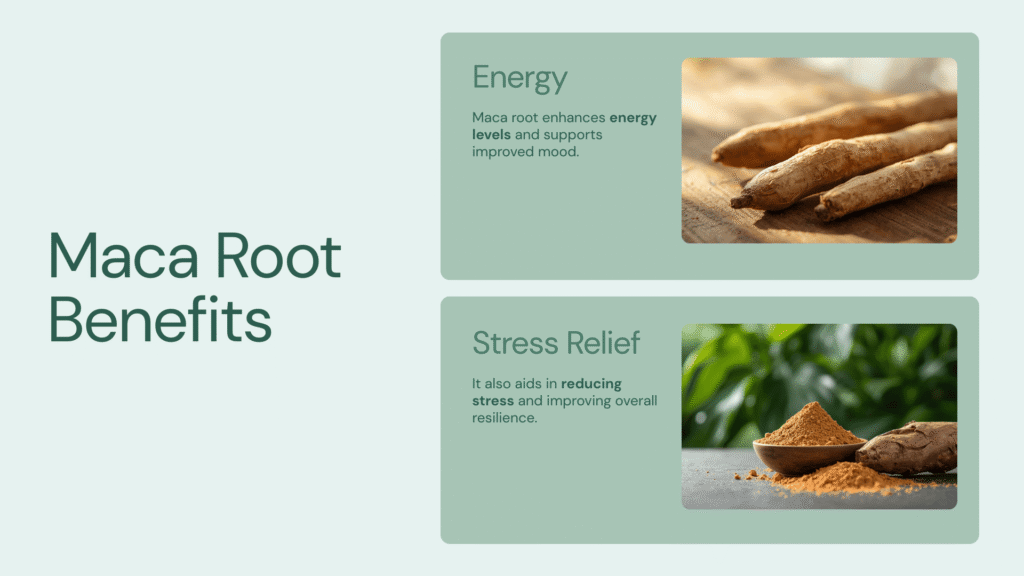
Maca isn’t new. It’s been used traditionally for energy, fertility, and resilience. What we appreciate most is its adaptogenic nature — it helps the body respond to stress rather than forcing a hormonal spike.
How Maca Supports Estrogen and Progesterone Levels
Maca doesn’t contain hormones. Instead, it influences the hypothalamic-pituitary axis — essentially helping communication between the brain and ovaries.
Many women report fewer PMS symptoms and more stable moods after consistent use. That’s likely because adaptogens can help regulate cortisol, which indirectly protects progesterone.
In the context of superfoods for hormone balance, maca works gently. It’s especially helpful for irregular cycles linked to stress.
Ways to Add Maca to Your Hormone Balancing Diet
Start small — about 1 teaspoon daily. Add it to smoothies, oatmeal, or yogurt. Its earthy taste pairs well with cocoa.
Consistency matters more than quantity. We usually suggest cycling it — five days on, two days off — particularly for women in perimenopause.
Flaxseeds – Lignans for Estrogen Balance
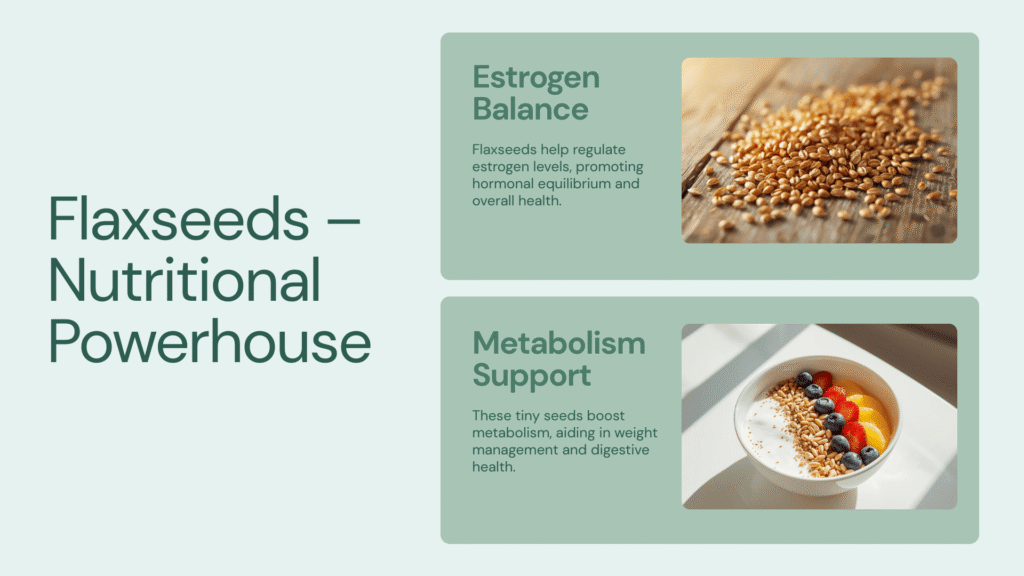
Flaxseeds are one of the simplest foods that balance hormones naturally. They’re inexpensive, easy to find, and incredibly functional.
How Flax Supports Natural Estrogen Detox
Flax contains lignans, plant compounds that help modulate estrogen levels. They bind to excess estrogen and support elimination through the digestive tract.
Their fiber also stabilizes blood sugar, indirectly reducing insulin spikes that can worsen estrogen dominance.
Daily Intake Recommendations
One to two tablespoons of freshly ground flaxseeds daily is ideal. Add them to smoothies, sprinkle over salads, or stir into oatmeal.
Small habit. Significant long-term impact.
Avocados – Healthy Fats for Hormone Production
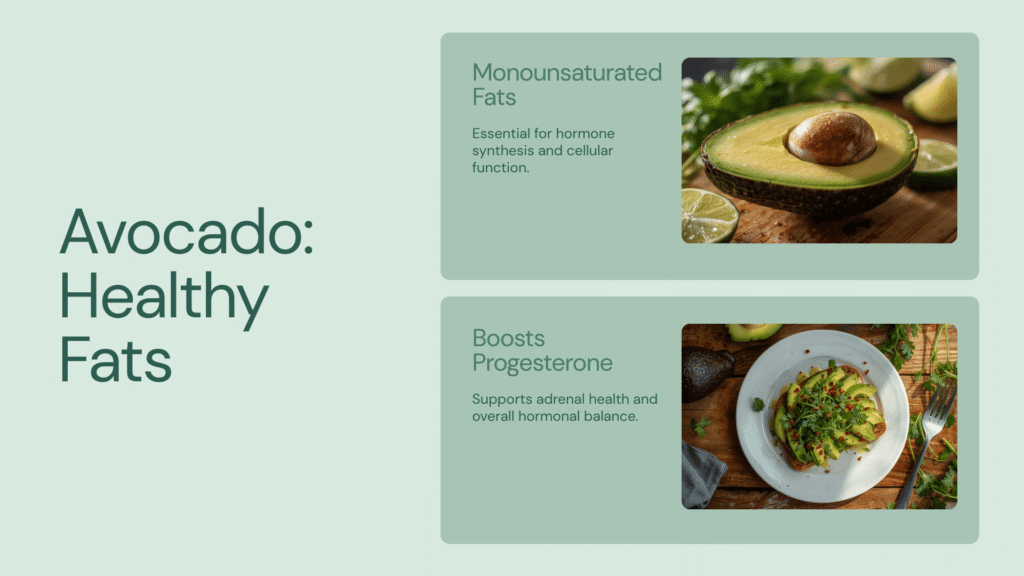
Hormones are built from cholesterol and fats. Without adequate healthy fats, production can falter.
Why Omega Fats Are the Best Foods for Hormonal Health
Monounsaturated fats in avocados support stable blood sugar and reduce inflammation. That steadiness protects against cortisol spikes.
They also enhance absorption of fat-soluble vitamins crucial for endocrine health.
Simple Ways to Add Avocado to Meals
Add slices to breakfast toast with eggs. Blend into smoothies for creaminess. Toss into salads.
Simple. Accessible. Reliable.
Leafy Greens – Magnesium-Rich Foods That Balance Hormones Naturally
Magnesium deficiency is common, especially in women under chronic stress.
The Role of Magnesium in Reducing PMS and Stress
Magnesium helps regulate the nervous system and ease muscle tension. It’s often helpful for cramps, sleep struggles, and anxiety before periods.
It also supports insulin sensitivity, which benefits overall hormonal stability.
Best Greens for a Hormone Balancing Diet for Women
Spinach, Swiss chard, arugula, and kale are strong options. Rotate them weekly to diversify nutrients.
Wild-Caught Salmon – Omega-3s for Reducing Hormone Inflammation
Inflammation disrupts endocrine signaling. Omega-3s counter that.
How Omega-3 Fatty Acids Support Endocrine Health
Omega-3s reduce inflammatory cytokines and support brain health — crucial for hormone signaling from the hypothalamus.
Recommended Weekly Servings
Aim for two servings per week. Pair with cruciferous vegetables for added estrogen support.
Chia Seeds – Fiber for Estrogen Detox and Gut Balance
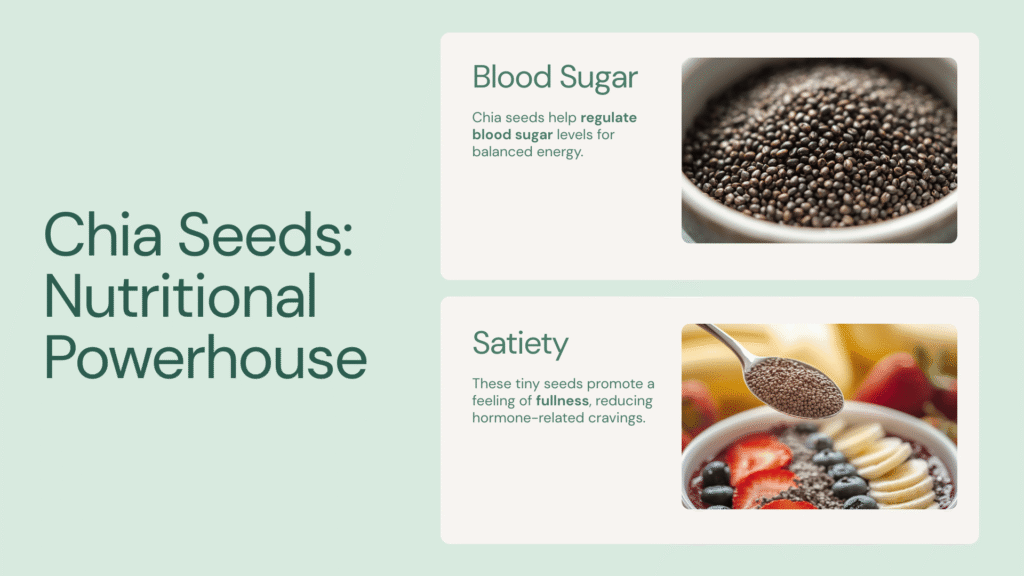
Tiny but powerful.
Why Gut Health Is Critical for Hormone Regulation
Fiber feeds beneficial bacteria involved in estrogen metabolism. A healthy gut prevents estrogen recirculation.
Easy Chia Recipes for Hormonal Support
Chia pudding with berries. Stir into yogurt. Add to smoothies. Hydrate them before consuming for best digestion.
Turmeric – Anti-Inflammatory Support for Hormonal Harmony
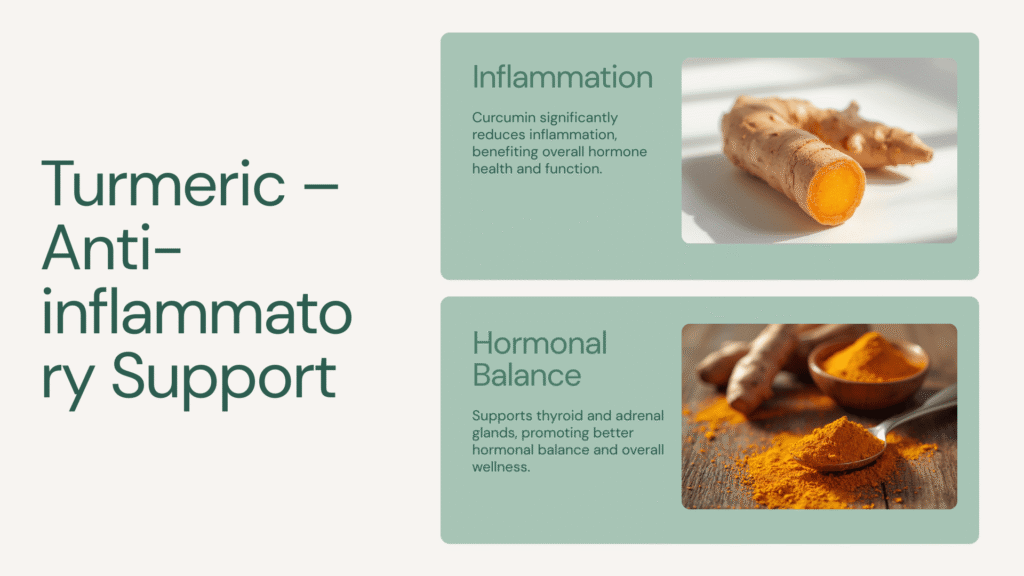
Chronic inflammation often underlies hormone imbalance.
Curcumin’s Role in Natural Remedies for Hormone Imbalance
Curcumin, turmeric’s active compound, reduces inflammatory signaling and may ease PMS discomfort.
How to Enhance Turmeric Absorption
Pair with black pepper and healthy fats. Add to soups, golden milk, or roasted vegetables.
Berries – Antioxidant-Rich Fruits for Hormone Protection
Color matters.
How Antioxidants Reduce Oxidative Stress
Oxidative stress impacts ovarian function and overall endocrine signaling. Antioxidants buffer that damage.
Best Berries for Daily Hormone Support
Blueberries, raspberries, strawberries. Fresh or frozen both work.
Cruciferous Vegetables – Natural Estrogen Detoxifiers
These are staples in any list of superfoods for hormone balance.
How Broccoli and Kale Support Liver Detox
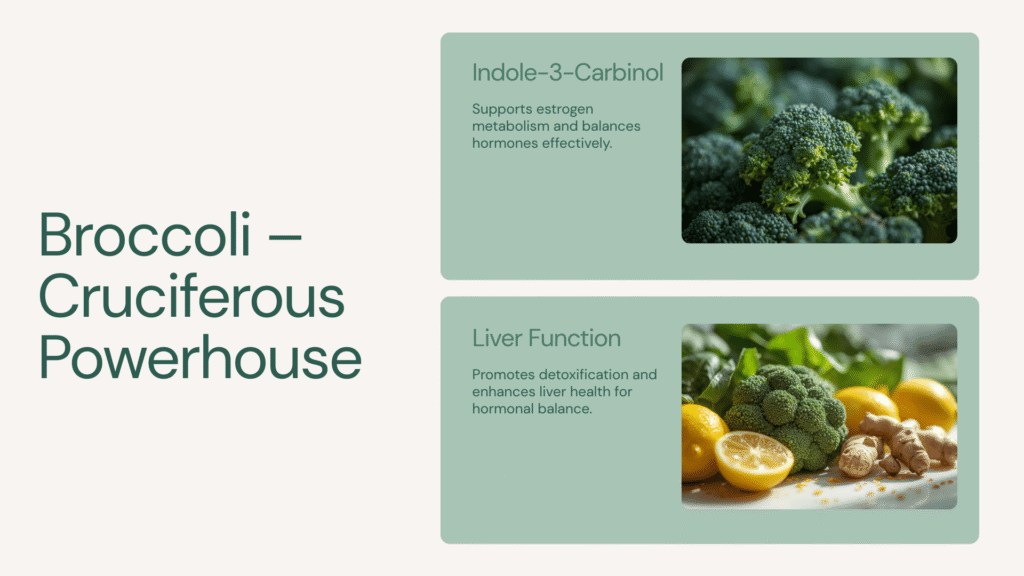
They contain compounds that assist liver enzymes in processing estrogen safely.
The Importance of DIM for Estrogen Metabolism
DIM (diindolylmethane) supports healthier estrogen metabolites, reducing dominance-related symptoms.
Herbal Tea Blends – A Natural Remedy for Hormone Imbalance
Sometimes support looks simple.
Why Herbal Tea Supports Hormone Balance Naturally
Herbal teas encourage slower evenings. They reduce stress, support digestion, and provide plant compounds that gently assist detox pathways.
The ritual itself matters. Sitting down. Breathing. Letting the nervous system shift out of fight-or-flight.
Try Livisca Herbal Tea for Daily Hormonal Wellness
We often suggest incorporating a gentle blend like Livisca Herbal Tea (https://www.livisca.com/) into a nightly routine. Not as a cure, but as steady support.
For women dealing with bloating, mood swings, or that wired-but-tired feeling, a warm cup in the evening can soften the edge of the day. Combined with other superfoods for hormone balance, it becomes part of a sustainable rhythm — not another supplement graveyard addition.
How to Build a Hormone Balancing Diet for Women
Start with structure. Three balanced meals. Protein at each. Fiber consistently. Healthy fats daily.
Include several superfoods for hormone balance across the week rather than cramming them into one smoothie. Rotate greens. Add seeds to breakfast. Plan omega-3 sources intentionally.
This isn’t about perfection. It’s about predictability. The body thrives on it.
Sample 7-Day Superfoods for Hormone Balance Meal Plan
Think variety and repetition combined.
Each day includes leafy greens, a fiber source like flax or chia, quality protein, and healthy fats. Salmon twice weekly. Cruciferous vegetables three to four times. Berries most mornings.
Breakfast, Lunch, and Dinner Ideas
Breakfast: Greek yogurt with berries and ground flax.
Lunch: Salmon salad with mixed greens and avocado.
Dinner: Stir-fried broccoli, tofu or chicken, and quinoa with turmeric.
Simple combinations. Nothing elaborate.
Hormone-Friendly Snack Options
Apple with almond butter.
Chia pudding.
Boiled eggs with leafy greens.
Herbal tea and a handful of walnuts in the evening.
Lifestyle Tips to Enhance Natural Hormone Balance
Nutrition carries weight, but lifestyle seals it in.
Stress Reduction and Sleep Optimization
Regular sleep timing stabilizes cortisol. Morning light exposure helps regulate circadian rhythm. Gentle movement lowers stress hormones without overwhelming the body.
We don’t need extreme workouts. Often, walking and strength training twice weekly are enough.
When to Consider Natural Remedies for Hormone Imbalance
If symptoms persist despite dietary consistency, it may be worth exploring targeted herbal support, lab testing, or professional guidance.superfoods for hormone balance, Natural remedies for hormone imbalance work best alongside foundational nutrition — not instead of it.


