

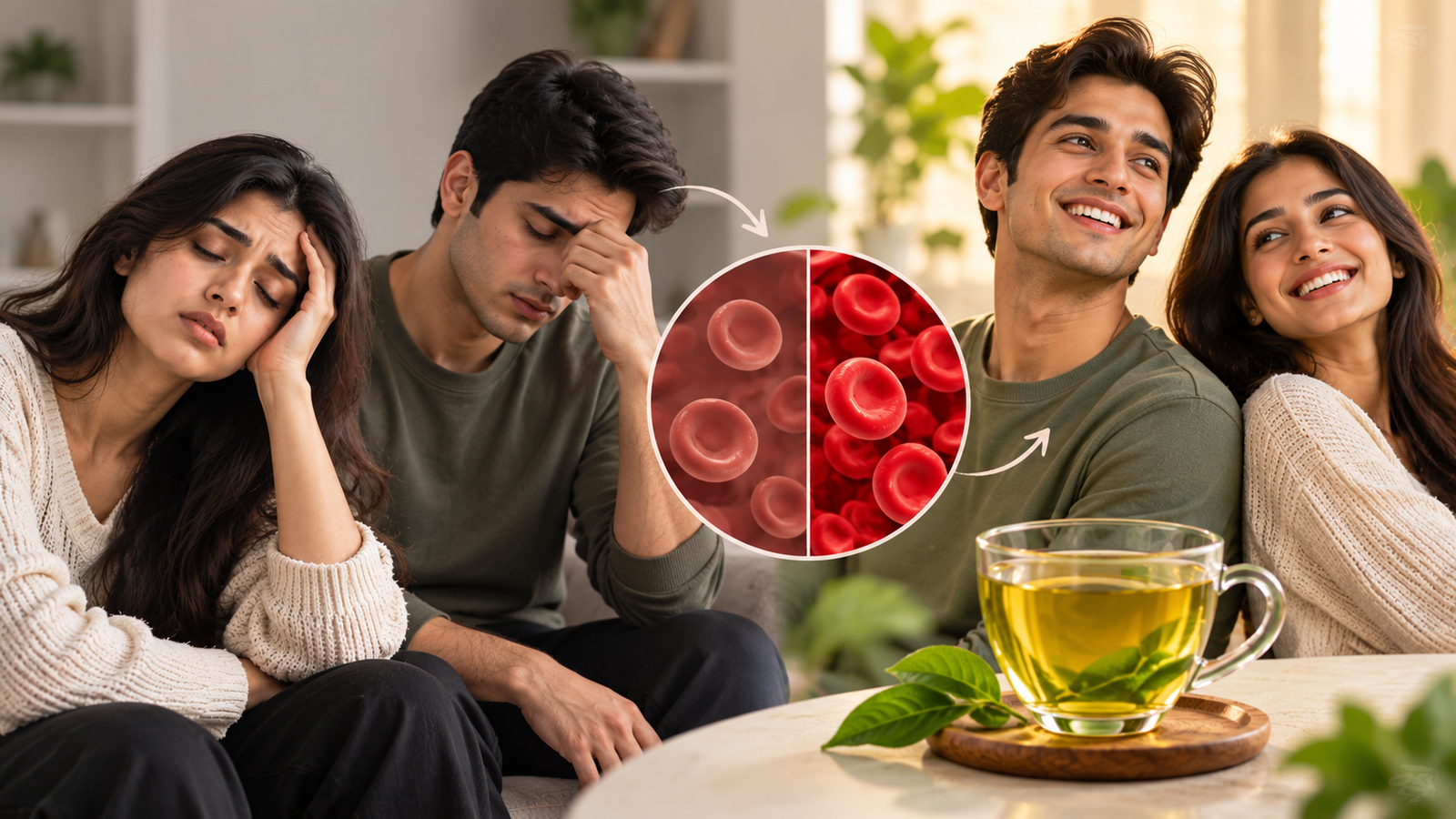
Iron is one of the essential minerals your body needs to function properly, yet iron deficiency is a common nutritional problem, particularly among women, pregnant people, young children, and individuals who have diets low in iron. Iron plays an important role in producing hemoglobin, the protein in red blood cells responsible for carrying oxygen from the lungs to the rest of the body. When the body does not have enough iron, oxygen delivery can become less efficient, which may eventually lead to iron deficiency anemia. Understanding the early symptoms, possible causes, and foods that provide iron can help you make better decisions about your everyday health.
What Is Iron Deficiency?
Iron deficiency occurs when the body’s iron stores become too low to meet its needs. In the early stages, a person may have depleted iron stores without developing anemia or obvious symptoms. If the deficiency continues, the body may struggle to produce enough healthy hemoglobin, resulting in iron deficiency anemia. Because hemoglobin carries oxygen throughout the body, this condition can affect energy levels, physical performance, concentration, and general well-being. Iron is also involved in muscle function and the production of certain hormones, making it an important nutrient for more than just healthy blood.
Common Symptoms of Iron Deficiency
The symptoms of iron deficiency can develop gradually, which means they are sometimes mistaken for ordinary tiredness or stress. As the deficiency becomes more significant, a person may experience persistent tiredness, weakness, low energy, headaches, pale skin, shortness of breath, or noticeable heartbeats. Some people may also find it harder to concentrate or remember information, particularly when iron deficiency has progressed to anemia. These symptoms occur partly because insufficient iron can reduce the body’s ability to transport oxygen efficiently.
More unusual symptoms can also occur. Some people with iron deficiency anemia develop hair loss, restless legs, changes in their nails, a sore tongue, unusual food cravings such as ice, or changes in taste. These symptoms do not automatically mean that someone has an iron deficiency, because similar problems can have other causes. For this reason, persistent or unexplained symptoms should be evaluated by a healthcare professional rather than treated based only on assumptions.

What Causes Iron Deficiency?
There are several reasons why iron levels may become low. One of the most common is blood loss. For women of reproductive age, heavy menstrual bleeding can significantly increase iron loss and therefore increase the risk of iron deficiency anemia. Pregnancy is another important period because the body’s requirement for iron rises as blood volume increases and the developing baby requires iron for growth.
Diet can also play a role. People who regularly consume few iron-rich foods may not obtain enough iron to replace what their body uses or loses. Those following vegetarian or mostly plant-based diets need to pay particular attention to iron intake because plant foods primarily provide non-heme iron, which is generally absorbed less efficiently than the heme iron found in meat and seafood. Iron deficiency can also result from conditions that interfere with nutrient absorption or from gastrointestinal bleeding, making it important to identify the underlying cause rather than simply increasing iron intake.
Iron-Rich Foods to Consider
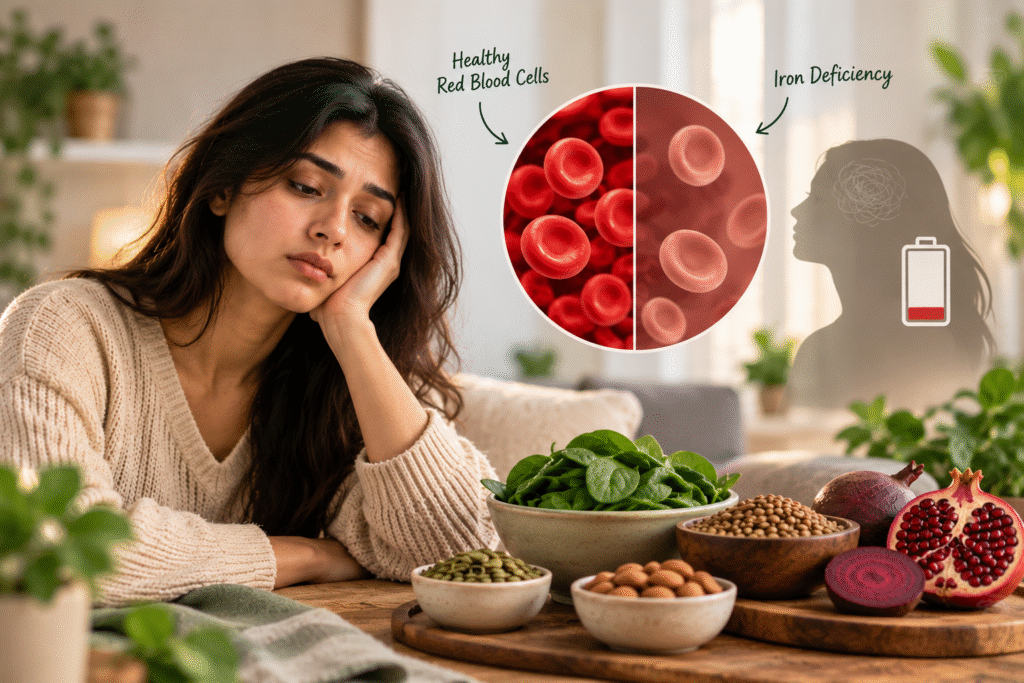
A balanced diet can provide iron through both animal and plant sources. Lean meat, poultry and seafood contain heme iron, while foods such as lentils, beans, peas, spinach, fortified cereals, nuts, and certain dried fruits provide non-heme iron. For people following a vegetarian diet, combining several plant-based sources throughout the day can help improve overall iron intake. The exact amount a person needs depends on factors such as age, sex, pregnancy status, and dietary pattern. For example, the U.S. National Institutes of Health lists 18 mg per day as the recommended amount for women aged 19–50, while pregnancy increases the recommended amount to 27 mg per day.
How you combine foods can also affect iron absorption. Vitamin C can improve the absorption of non-heme iron, so pairing iron-containing foods with vegetables and fruits such as tomatoes, sweet peppers, citrus fruits, strawberries, or broccoli can be helpful. On the other hand, tea and coffee can reduce iron absorption when consumed around iron-rich meals or iron supplements. If you are trying to improve iron intake, paying attention to these combinations can be just as useful as choosing nutritious foods in the first place.
Can Green Tea Be Part of a Healthy Lifestyle?
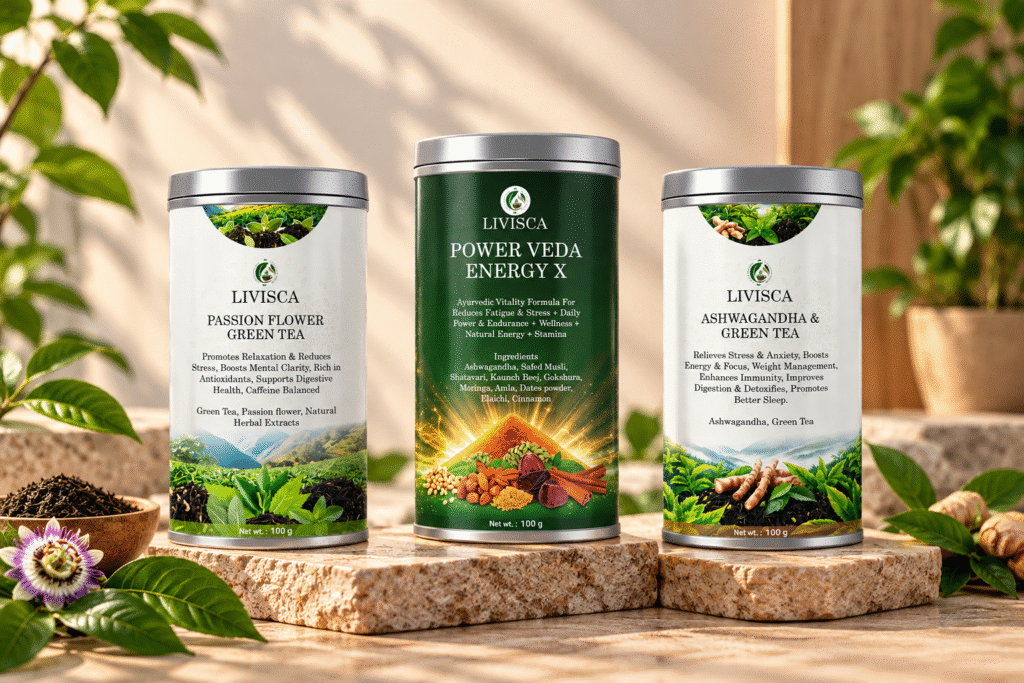
Green tea is widely enjoyed as part of a balanced lifestyle and can be included alongside nutritious meals, hydration, physical activity, and adequate sleep. Livisca Green Tea can be positioned as a refreshing beverage choice for people who want to include green tea in their everyday wellness routine. However, green tea should not be presented as a treatment for iron deficiency or iron deficiency anemia. Because tea can interfere with iron absorption, particularly when consumed close to iron-rich meals or iron supplements, people who are trying to correct iron deficiency may want to separate their tea consumption from those occasions.
When Should You Seek Medical Advice?
If tiredness, weakness, breathlessness, paleness, headaches, or other possible symptoms continue, it is important not to assume that iron deficiency is automatically responsible. Similar symptoms can occur with other forms of anemia or nutritional deficiencies. A healthcare professional can evaluate your symptoms and may recommend blood tests to assess your blood count and iron status. Tests such as a full blood count and measurements of iron stores, including ferritin, can help healthcare professionals determine whether iron deficiency or anemia is present and guide appropriate treatment.
Iron supplements should also not be taken casually or in high doses without appropriate medical advice. Although iron is essential, excessive iron can be harmful, and iron supplements can cause side effects such as stomach discomfort, constipation, nausea, or diarrhea. More importantly, treating the deficiency without identifying its underlying cause can delay diagnosis of problems such as significant blood loss. When iron deficiency is confirmed, treatment may involve dietary changes, prescribed iron supplements, or additional medical treatment depending on the cause and severity.
Supporting Healthy Iron Levels Through Everyday Choices
Maintaining healthy iron levels is ultimately about more than adding one particular food to your diet. A varied eating pattern that includes iron-rich foods, vitamin C-rich foods, adequate protein, whole grains, fruits, and vegetables can support overall nutritional health. For women, paying attention to iron intake can be particularly important during the reproductive years because regular menstrual blood loss increases iron requirements and heavy periods can increase the risk of deficiency. Pregnancy also brings increased iron needs, making professional nutritional guidance especially valuable during this stage.
Recognizing the signs of iron deficiency early can help you take appropriate action before low iron develops into more significant anemia. Persistent fatigue should not simply be dismissed as a normal part of a busy lifestyle, especially when it occurs alongside weakness, breathlessness, headaches, paleness, or other symptoms. Eating a balanced diet with reliable sources of iron, improving absorption through smart food combinations, and seeking medical advice when symptoms persist can help support healthier iron status. A thoughtful wellness routine can also include beverages such as Livisca Green Tea, provided they are consumed at an appropriate time and are not used as a substitute for proper nutrition or medical treatment.


