

Have you ever finished a workday feeling completely drained, even though you barely moved from your desk?
Mental exhaustion has become increasingly common in today’s fast-paced world. Between constant notifications, long hours in front of screens, work pressure, and information overload, many people experience fatigue that isn’t physical but mental.
Understanding the causes of mental exhaustion can help you make simple lifestyle changes to improve focus, productivity, and overall well-being.
What Is Mental Exhaustion?
Mental exhaustion occurs when your brain is overloaded with information, decision-making, stress, and continuous concentration.
Unlike physical tiredness, mental fatigue can make you feel:
- Unmotivated
- Easily distracted
- Irritable
- Less productive
- Unable to focus for long periods
Many people mistake mental exhaustion for laziness, but in reality, it’s often a sign that your mind needs recovery.

1. Too Much Screen Time
Most people spend hours switching between emails, social media, messages, meetings, and work tasks.
This constant stream of information forces your brain to remain alert throughout the day, leading to cognitive overload.
Simple ways to reduce digital fatigue include:
- Taking regular screen breaks
- Following the 20-20-20 rule
- Limiting unnecessary notifications
- Spending time outdoors
2. Poor Nutrition
Your brain requires consistent nutrition to function effectively.
Skipping meals, relying heavily on processed foods, or consuming excessive sugar can lead to energy fluctuations that affect concentration and mood.
A balanced diet rich in protein, healthy fats, fruits, vegetables, and hydration supports overall cognitive performance.

3. Lack of Quality Sleep
Sleep is when the brain processes information and restores itself.
Even if you spend enough hours in bed, poor sleep quality may leave you feeling mentally drained the next day.
Creating a consistent bedtime routine and reducing screen exposure before sleep can support better rest.
4. Constant Multitasking
Many people believe multitasking improves productivity. In reality, constantly switching between tasks forces your brain to work harder.
Research suggests that focusing on one task at a time often leads to better efficiency and less mental fatigue.
5. Chronic Stress
Stress doesn’t only affect emotions—it also affects concentration, memory, and decision-making.
When stress becomes a daily experience, mental exhaustion often follows.
Activities such as exercise, mindfulness, reading, or simply taking breaks throughout the day can help support mental wellness.
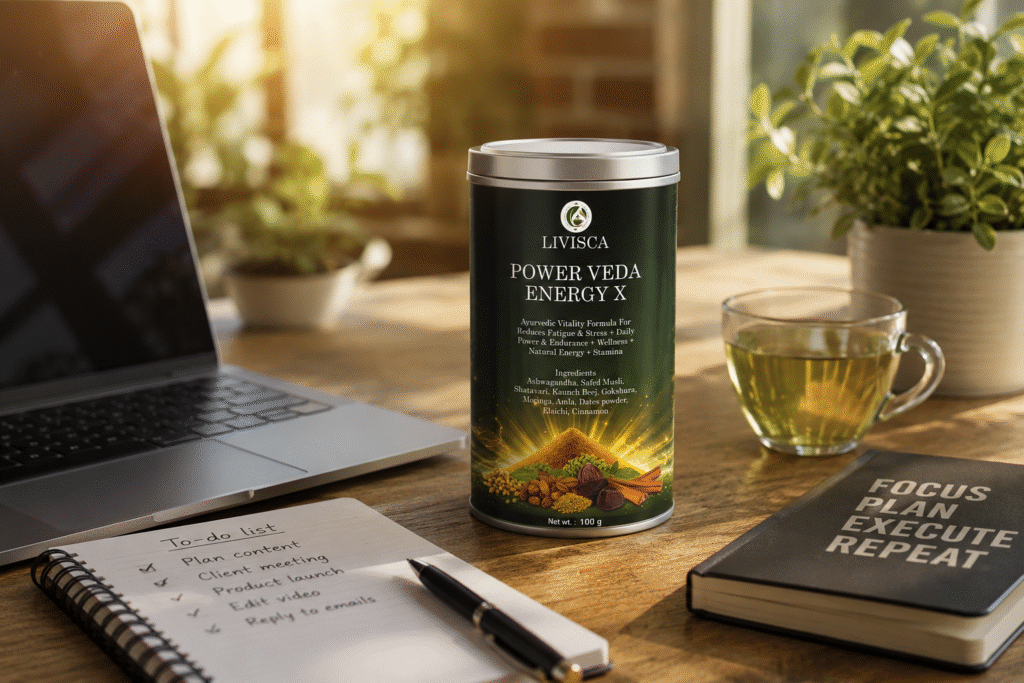
Building Healthy Energy Habits
Sustainable energy comes from healthy daily habits rather than temporary fixes.
Many people choose wellness rituals that support focus, vitality, and balance throughout the day.
As part of a balanced lifestyle, some individuals enjoy herbal wellness blends such as Livisca Power Veda Energy X. Crafted with traditional Ayurvedic ingredients including Ashwagandha, Shatavari, Moringa, Amla, and Safed Musli, it can be a convenient addition to a daily wellness routine.
[INSERT IMAGE 4 HERE]
Simple Ways to Feel More Energized
✔ Prioritize quality sleep
✔ Stay hydrated
✔ Take regular movement breaks
✔ Limit unnecessary screen time
✔ Manage stress effectively
✔ Focus on balanced nutrition
✔ Create consistent wellness habits
Final Thoughts
Mental exhaustion is often the result of everyday habits rather than a lack of effort or motivation.
By paying attention to sleep, stress, nutrition, and screen time, you can support your mental well-being and improve your daily energy levels.
Small changes practiced consistently can make a significant difference over time.
