

Modern life has become increasingly connected, fast-paced, and demanding. Between work responsibilities, social media, constant notifications, family commitments, and the pressure to remain productive, many people rarely get enough time to pause and reconnect with themselves. This growing need for balance has contributed to the rising popularity of spiritual retreats for modern wellness. Rather than focusing only on physical fitness or conventional relaxation, spiritual retreats provide an opportunity to step away from everyday distractions and create space for reflection, mindfulness, and emotional renewal. From peaceful meditation centers to nature-based wellness retreats, people are increasingly exploring these experiences as a way to support a more balanced lifestyle.
What Is a Spiritual Retreat?
A spiritual retreat is a period spent away from normal routines with the intention of creating greater mental, emotional, or spiritual awareness. While the word “spiritual” may have religious associations for some people, modern retreats can be highly personal and do not necessarily follow a particular religion. Many focus on meditation, mindfulness, yoga, nature, journaling, silence, conscious breathing, and personal reflection. The goal is often to slow down, reduce external distractions, and become more aware of thoughts, emotions, and everyday habits.
Unlike a conventional holiday that may revolve around sightseeing and entertainment, a wellness retreat generally encourages a slower and more intentional experience. Participants may spend their mornings meditating, practicing yoga, walking through nature, enjoying nourishing meals, or simply spending time without digital distractions. This change of environment can make it easier to examine routines and identify areas of life that may need greater attention.
Why Are Spiritual Retreats Becoming Popular?
One of the biggest reasons behind the growing interest in spiritual wellness retreats is the increasing awareness of stress and the importance of mental well-being. Modern lifestyles often encourage people to remain constantly available, making it difficult to establish genuine periods of rest. Even when people are physically away from work, smartphones and social media can keep their minds engaged. A retreat offers something that can be difficult to create at home: intentional distance from everyday responsibilities.
Another important factor is the growing popularity of mindfulness. Mindfulness encourages people to pay attention to the present moment rather than constantly worrying about the future or replaying the past. Meditation and mindful activities are now commonly incorporated into wellness programs because they can encourage relaxation and greater self-awareness. A retreat provides an environment where these practices can become part of a temporary daily routine, potentially helping participants understand how they might incorporate similar habits into ordinary life.
The Connection Between Nature and Modern Wellness
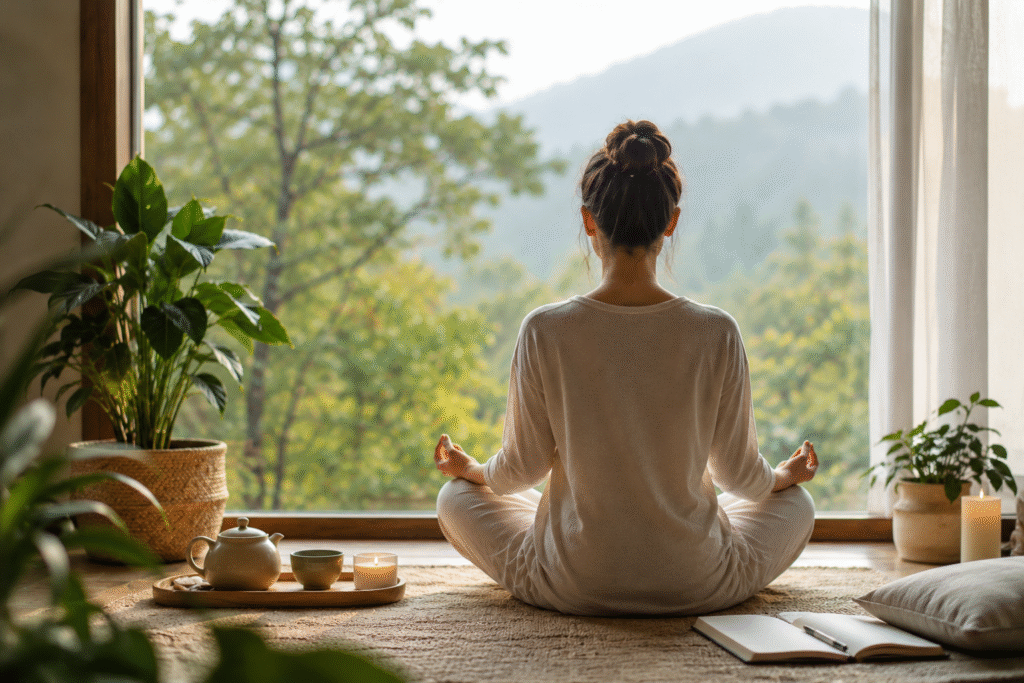
Many spiritual retreats are located in peaceful natural environments, including forests, mountains, beaches, and countryside settings. This is not simply an aesthetic choice. Spending time in natural surroundings can provide a welcome contrast to crowded cities, traffic, artificial lighting, and continuous digital stimulation. Walking outdoors, listening to natural sounds, and observing the environment can encourage people to slow their pace and become more present.
Nature-based retreats also create opportunities for activities that combine physical movement with mental relaxation. A quiet morning walk, outdoor meditation session, or gentle yoga practice can feel very different from exercising in a busy gym. These experiences encourage a more holistic understanding of wellness, where physical activity, rest, environment, and mental awareness are considered together rather than separately.
Creating Healthier Daily Rituals
One of the most valuable aspects of a spiritual retreat is that it can encourage people to reconsider their everyday habits. A retreat may temporarily introduce a slower morning routine, regular meditation, mindful meals, adequate rest, and intentional breaks from technology. The real benefit comes when these ideas continue after the retreat ends.
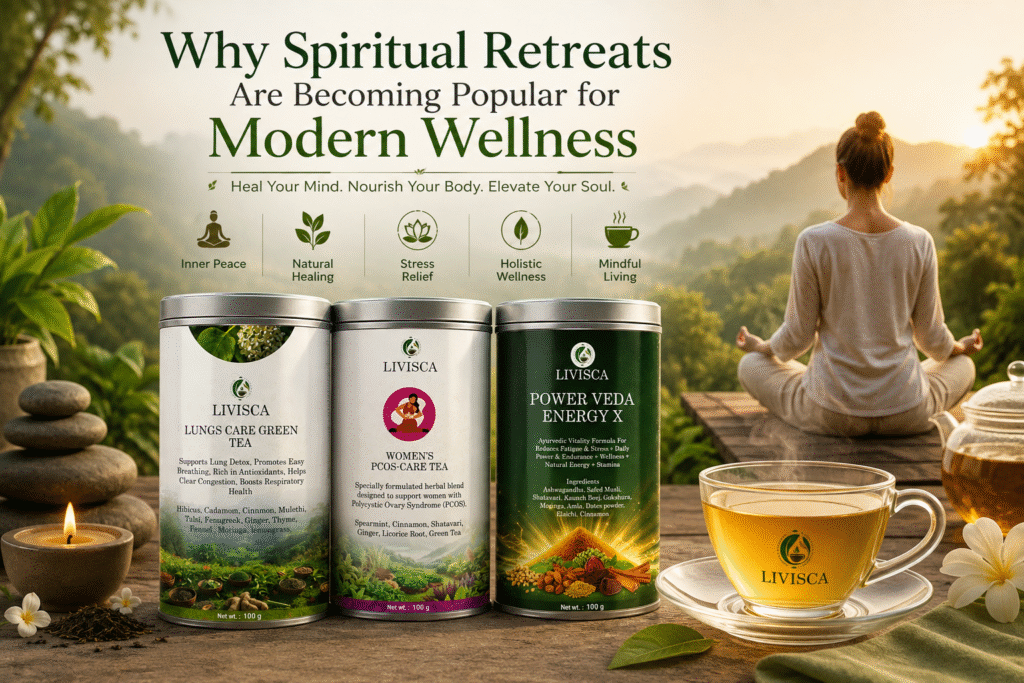
Simple rituals can make everyday wellness feel more manageable. Starting the morning without immediately checking social media, spending a few quiet minutes breathing deeply, taking a short walk, or enjoying a warm cup of tea without distractions can create small moments of calm. For people who enjoy tea as part of their daily routine, Livisca Green Tea can naturally fit into such mindful moments. Enjoying a cup slowly can become a simple ritual that encourages a short pause during a busy morning or afternoon, complementing broader wellness habits without being presented as a substitute for medical care or a healthy lifestyle.
Spiritual Retreats and Digital Detox
The idea of taking a break from technology has also become an important part of modern retreat culture. Constant notifications, social media updates, emails, and online entertainment can make it difficult to experience genuine quiet. Some retreats therefore encourage participants to reduce or completely avoid unnecessary screen use during their stay.
A digital detox retreat does not necessarily mean abandoning technology permanently. Instead, it can help people notice how often they reach for their phones automatically and how digital habits influence their attention. After returning home, individuals may choose practical boundaries such as keeping phones away during meals, creating screen-free periods before bedtime, or taking occasional social media breaks.
Are Spiritual Retreats Right for Everyone?
Although spiritual retreats can be meaningful, they are not a universal solution to stress or personal difficulties. Retreat experiences vary considerably, and some can be expensive, highly structured, physically demanding, or influenced by particular spiritual traditions. It is important to research the retreat provider, understand what activities are included, and choose an environment that matches personal comfort and expectations.
People should also remember that wellness is not something achieved during a single weekend. A retreat can provide an opportunity to pause and reflect, but long-term well-being depends on sustainable habits developed over time. Adequate sleep, balanced nutrition, regular physical activity, meaningful relationships, professional healthcare when necessary, and healthy boundaries remain important parts of overall wellness.
A More Intentional Approach to Modern Wellness
The growing popularity of spiritual retreats reflects a broader shift in how people think about health and well-being. Wellness is increasingly viewed as more than physical appearance or exercise routines. Mental clarity, emotional balance, self-awareness, meaningful rest, and connection with nature are becoming important parts of a healthy lifestyle.
For many people, a spiritual retreat provides something modern life often lacks: permission to slow down. Whether that means spending a few days in nature, practicing meditation, writing in a journal, participating in yoga, or simply sitting quietly with a cup of tea, these experiences can encourage greater awareness of how we spend our time and energy.
The appeal of spiritual retreats ultimately lies in their ability to create intentional space in an increasingly busy world. While a retreat cannot solve every personal or lifestyle challenge, it can offer an opportunity to disconnect from distractions, reflect on priorities, and develop healthier routines. As modern wellness continues to evolve, the combination of mindfulness, nature, self-care, digital balance, and conscious daily rituals is likely to remain an important part of how people approach a healthier and more meaningful life.
