

Women’s Health 2025: Essential Tips for a Stronger, Healthier You , Here’s the thing about women’s health in 2025—we’re finally seeing science, technology, and good old-fashioned wellness wisdom come together in ways that actually make sense. Whether you’re dealing with hormonal ups and downs, trying to build mental strength, figuring out what your body really needs nutrition-wise, or just wanting to feel stronger, there’s a lot to juggle.

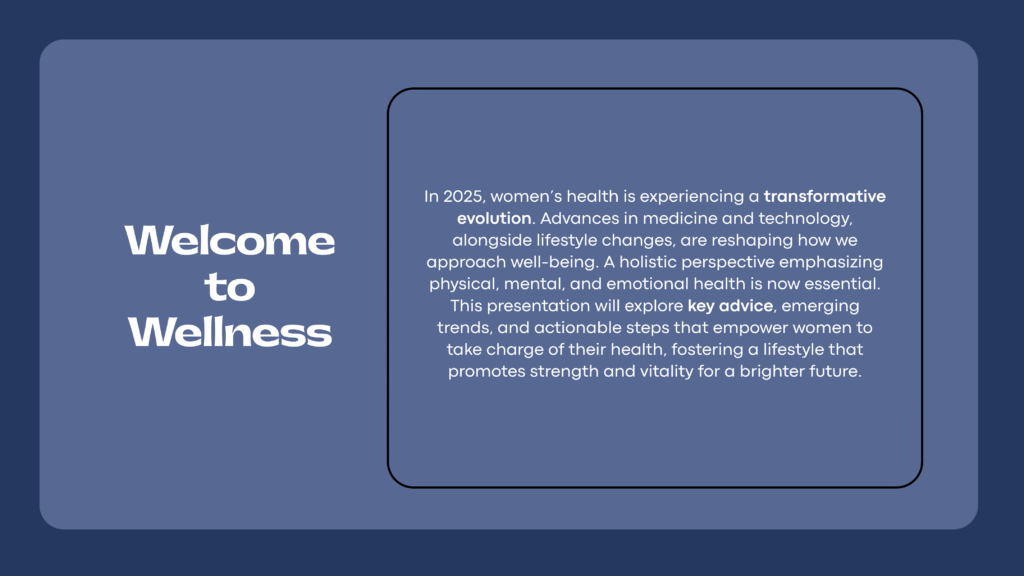
1. Getting Real About Women’s Health Today
The Hormone Rollercoaster We’re All On
Look, our bodies go through a lot. From that first period to the reproductive years, maybe pregnancy, then perimenopause and menopause—each stage throws different hormonal curveballs our way. And these aren’t just minor shifts; we’re talking changes that affect metabolism, fertility, and even what health risks we face.
Take estrogen and progesterone, for instance. When these two fluctuate (and trust me, they will), everything from your mood and energy levels to how your body stores fat, maintains bone density, and keeps your heart healthy gets affected. As we hit midlife, women’s health dropping estrogen levels can speed up bone loss, mess with cholesterol, and change body composition. The key? Catching these changes early so you can adapt before they become bigger issues.
Why Women Face Different Health Challenges
- Let’s be honest—some health problems hit women harder or show up more often in women than men:
- Heart disease is still the top killer of women worldwide, yet doctors often miss or dismiss symptoms in female patients. That’s scary stuff.
- Osteoporosis hits women harder, especially after menopause when bone density can take a nosedive.
- Autoimmune diseases like lupus and rheumatoid arthritis? Women get them way more often.
- Then there are reproductive health issues—PCOS, endometriosis, fertility struggles—that are incredibly common but often dismissed or undertreated.
- Mental health challenges such as anxiety and depression tend to affect women more intensely, thanks to a perfect storm of hormones, societal pressure, and caregiving responsibilities.
The female body is complex and constantly influenced by hormones, which means lifestyle choices around food, movement, and stress management matter even more for us. The silver lining? Many of these risks can be reduced or managed if you catch them early and make smart changes.
2. Let’s Talk About Food—Because It Actually Matters
Nutrition for women isn’t just about counting calories or following the latest diet trend. For women juggling hormonal cycles, daily energy needs, and long-term health, what you eat becomes absolutely foundational.
What Actually Works
- Go for variety and color. Fill your plate with all kinds of vegetables, fruits, legumes, whole grains, nuts, and seeds. The more colorful, the better.
- Choose real food over processed junk. Try to cut back on refined sugars, artificial additives, and trans fats. Your body will thank you.
- Don’t skip protein. Having protein at each meal helps you feel full, maintains muscle, and keeps hormones signaling properly.
- Embrace healthy fats. Avocado, olive oil, nuts, seeds, fatty fish—these give you omega-3s and support overall health.
- Fiber is your friend. Both soluble and insoluble fiber, along with fermented foods and prebiotics, support your gut microbiome. And a healthy gut affects everything from inflammation to hormone balance.
- Pay attention to key nutrients. Iron (especially if you’re still menstruating), calcium and vitamin D for bones, B vitamins, magnesium, zinc, iodine, selenium, plus antioxidants like vitamins C and E.
What’s Trending in 2025 (That Actually Makes Sense)
More people are going plant-forward—not necessarily full vegan, but eating mostly plants with some strategic animal protein thrown in. Time-restricted eating is having its moment too, like eating within a 12 or 14-hour window. Just be careful not to push it during pregnancy or intense training periods. There’s also a renewed focus on mindful eating—actually chewing slowly, paying attention to what you’re eating, and listening to your hunger cues. And eating seasonal, local food is making a comeback because it’s better for the environment and often packs more nutrients.
Real Meal Ideas You Can Actually Use
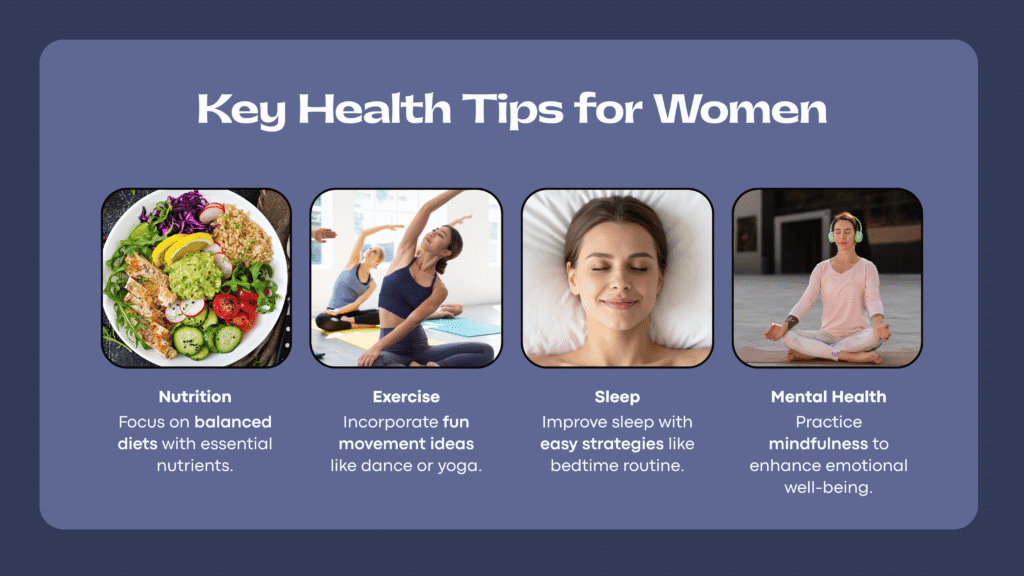
- Breakfast: Greek yogurt (or a plant-based version) topped with berries, flax or chia seeds, and a handful of nuts.
- Lunch: Grilled fish or tempeh with quinoa or millets and a big serving of steamed or stir-fried greens.
- Snacks: Apple with almond butter, hummus with carrot sticks, or a cup of herbal tea.
- Dinner: Lentil soup or dal with mixed vegetables and whole grain roti or brown rice.
- Hydration: Shoot for 2-3 liters of water daily, adjusting for climate and how active you are. Herbal teas from Livisca can help with this too.
- What to avoid: Skipping meals, extreme calorie cutting, relying too heavily on “diet” supplements or juice cleanses, and ignoring cravings that might be your body’s way of telling you it needs certain nutrients.
3. Moving Your Body (And Why Strength Training Isn’t Just for Bodybuilders)
Moving regularly is non-negotiable. But here’s what’s changed—women’s health we’re moving away from just cardio and embracing functional movement, strength training, and flexibility work.
Why Lifting Weights Is a Game-Changer
Strength training for women improves bone density, which becomes crucial especially after 35 or 40. It preserves lean muscle mass when your metabolism would otherwise slow down, helps manage blood sugar and body composition, supports good posture and mobility, and reduces your risk for metabolic problems while supporting heart health.
A lot of women avoid weights because they’re worried about “bulking up,” but that’s mostly a myth. What you actually get is toned, efficient muscles that help you live longer and better.
Cardio, Functional Moves, and “Movement Snacks”
- Cardio: Walking, jogging, cycling, swimming—aim for 150 minutes per week at moderate intensity.
- Functional movements: Squats, lunges, pushups, core work. These mimic real-world motions you do every day.
- Movement snacks: Little bursts of activity throughout the day—taking the stairs, a 5-minute walk break, stretching at your desk. They add up more than you’d think.
- Flexibility and mobility: Yoga, dynamic stretching, foam rolling. These help with recovery and keep you injury-free.
- Pro tip: If you’re just starting out, try 2-3 days of strength training and 2-3 days of cardio or movement each week. Build up gradually from there.
4. Sleep and Stress—The Two Things You Can’t Fake Your Way Through
You can’t exercise your way out of bad sleep or constant stress. For women especially, these two factors massively influence hormones, mood, immunity, and how fast you age.
Why Sleep Is Non-Negotiable
Aim for 7-9 hours of quality sleep each night. Keep your sleep and wake times consistent, even on weekends. Create a wind-down routine—dim the lights, put away screens an hour before bed, do something calming. Keep your bedroom cool, dark, and quiet. Skip heavy meals, caffeine, and alcohol close to bedtime.
When you don’t sleep enough, it messes with cortisol, insulin, appetite hormones, and reproductive hormones. Basically, your whole system goes haywire.
The Real Cost of Chronic Stress
Chronic stress cranks up cortisol, which can disrupt your menstrual cycle, encourage belly fat storage, suppress your immune system, and increase inflammation throughout your body. women’s health Women often juggle multiple roles—career, caregiving, relationships—and stress just piles up.
What Actually Helps with Mental Well-Being
Try mindfulness, meditation, or breathwork. Journal or keep gratitude lists. See a therapist or counselor when you need to—there’s no shame in getting help. Do regular digital detoxes and limit exposure to negative social media and constant news. Maintain real social connections with friends and community. Find creative outlets like art, music, gardening, or volunteering.
As one health expert puts it: practicing daily mindfulness or stress relief is essential because chronic stress contributes to everything from insomnia to heart disease.
5. Don’t Skip Your Checkups—Seriously
Prevention is like insurance for your health and your wallet. Here’s what you should prioritize based on your age:
- In Your 20s-30s: Annual physical, blood work (CBC, thyroid, lipids, glucose, vitamin D), Pap smear, STI screening if you’re sexually active, HPV vaccine if you haven’t gotten it yet.
- In Your 30s-40s: Keep up with the above, plus add breast exams or mammograms (following your doctor’s guidelines), pelvic ultrasound if you have symptoms, bone markers if you’re at risk, ongoing thyroid and iron checks.
- In Your 40s-50s: Continue everything above, increase mammogram frequency, add colon cancer screening based on guidelines, get a DEXA bone scan around menopause.
- 50 and Beyond: Bone density scans, cardiovascular risk panels, mammography, colon screening, thyroid checks, hormone panels as needed.
- Also consider testing for inflammation markers (CRP), insulin resistance, and liver function, especially given metabolic risk factors many women face.
- When should you see a specialist? If you have menstrual irregularities, heavy bleeding, fertility concerns, pelvic pain, drastic weight changes, or persistent mood symptoms—don’t wait.
6. Hot Topics and 2025 Health Challenges
Your Gut and Your Hormones Are Connected
New research is showing that the gut microbiome affects estrogen metabolism, inflammation, mental health, and weight management. women’s health Eating fiber, prebiotics, and fermented foods—possibly adding probiotic support—can help restore balance.
Watch Out for Environmental Toxins
Everyday chemicals in plastics, pesticides, BPA, and parabens can interfere with your hormone signaling. Use glass or stainless steel containers instead of plastic, never heat food in plastic, and choose cleaner personal care products.
FemTech Is Great But Be Careful
More women are using health apps for tracking cycles, monitoring fertility, and managing mental health. But recent research has raised red flags about privacy and security gaps in female health apps. Be selective—actually read privacy policies and think twice before sharing sensitive data.
Fertility, Pregnancy, and Reproductive Health
If you’re planning pregnancy or dealing with fertility challenges, pay attention to baseline health markers (nutrients, thyroid, insulin resistance), avoid toxins, maintain a healthy weight, and manage stress. Consider timing, ovulation support, and your partner’s health too. Don’t forget about postpartum recovery and pelvic floor restoration. Women with PCOS, endometriosis, or hormonal imbalances need personalized care—don’t try to DIY everything.
7. Making Habits That Actually Stick
Start small. Pick just one habit to add (like a 10-minute walk) before piling on more. Remember, consistency beats intensity every time. Try habit stacking—attach a new habit to something you already do. Get accountability through workout buddies, journaling, or digital trackers. Be flexible during life transitions like pregnancy, menopause, or travel. women’s health Celebrate milestones along the way, not just the final outcome.
Behavior change is a long game. Fall in love with the process, not some impossible standard of perfection.
8. Products That Can Actually Support Your Health
While lifestyle is the foundation, supplements, herbs, and teas can provide meaningful support—if you choose wisely and use them safely. Always talk to your healthcare provider before starting anything new, especially if you’re pregnant, on medications, or dealing with medical conditions.
1-How to Choose Good Products
Pick third-party tested, reputable brands. Go for food-based or plant-based formulations instead of mega-doses. Use them as additions, not replacements for good diet or medical care. Watch for interactions (some herbs can affect hormones or blood pressure).
2-Product Options Worth Considering
- Revital H Women’s Daily Health Supplement — a multivitamin blend specifically designed for women’s needs.
- HK Vitals Multivitamin for Women — plant-based formula with essential nutrients.
- Oziva Plant Based HerBalance for PCOS — supports hormonal balance, especially helpful for PCOS.
- Himalaya Menosan — herbal support for menopausal symptoms.
3-Livisca’s Herbal Tea Options
- Beyond supplements, Livisca offers herbal teas that can be part of your wellness routine:
- Women’s Health Tea / Women Care Tea from Livisca’s Women’s Wellness Teas line
- Detox & Liver Health Tea from Livisca, which supports liver and metabolic function using herbs like turmeric, ginger, and peppermint (Livisca provides usage guidance)
- Women’s UTI-Care Tea and Women’s Fertility Tea (also available through Livisca)
| Product Name | Benefit / Why It’s Useful | Amazon Link | Website Link |
| Livisca Detox & Liver Health Tea | Supports liver detox, helps cleanse body naturally | Buy on Amazon | Visit on Livisca |
| Livisca Women’s UTI-Care Herbal Tea | Supports urinary tract health in women naturally | Buy on Amazon | Visit on Livisca |
| Livisca Anti-Inflammatory & Joint Pain Relief Tea | Combats inflammation, supports joint comfort | Buy on Amazon | Visit on Livisca |
| Livisca Headache & Migraine Relief Tea | Helps ease headache & migraine symptoms naturally | Buy on Amazon | Visit on Livisca |
You might position these as support tools. For example: “Alongside good daily habits, a cup of Livisca Women’s Health Tea can gently support your hormonal wellness. Or if you’re focused on detox,women’s health try Livisca’s Detox & Liver Health Tea—just steep a teaspoon in hot water for 3-5 minutes, have 1-2 cups daily, and skip the added sugar.”
Always include disclaimers like: “These statements are for general health information; consult your physician before use.”
9. A Sample Week of Self-Care (Just to Give You Ideas)
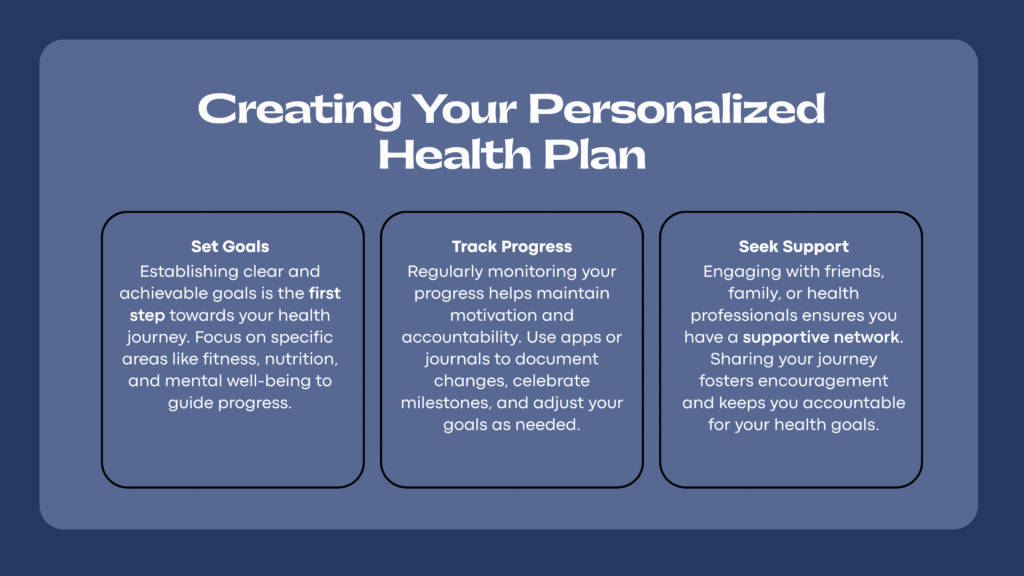
- Monday: Lower body strength training, high-protein breakfast, 5 minutes of breathwork, evening herbal tea and reading
- Tuesday: Brisk walk plus stretching, colorful salad with legumes, journaling, screen-off early
- Wednesday: Upper body strength training, omega-3 rich fish with greens, meditation, warm bath
- Thursday: Yoga or mobility work, fermented foods and fiber, gratitude journaling, herbal tea
- Friday: HIIT or dance class, balanced meal with all macros, social phone call, early bedtime
- Saturday: Outdoor walk or hiking, veggie-forward meals, creative hobby, digital detox
- Sunday: Rest or active recovery, meal prep and hydration focus, reflective journaling, prep for the week ahead
Adjust intensity, rest days, and focus based on where you are in your cycle, your energy levels, and what’s going on in your life.
10. Your Next Steps
2025 can be your year to reclaim health—not as some trendy checklist you’ll abandon in February, but as a sustainable, evolving lifestyle. Every choice matters: what you eat, how you move, how you sleep, how you handle stress, and how you support your body with women’s health ,trusted products.
At Livisca, we believe wellness really can be in every sip. Check out our range of Women’s Wellness Teas and herbal blends at livisca.com to complement your health journey.
Here’s What You Can Do Right Now:
- Pick one habit (maybe a 10-minute morning walk or a daily cup of herbal tea) and commit to it for just two weeks.
- Schedule that health checkup or screening you’ve been putting off.
- Try one Livisca product for four weeks and journal how you feel.
- Join a women’s wellness group or online forum for accountability and support.
- Subscribe to Livisca’s newsletter for weekly tips, recipes, and new product launches.
- Let this be the year you build health that lasts, not just chase goals you’ll forget about. Here’s to your stronger, healthier self—you’ve got this Women’s Health 2025: Essential Tips for a Stronger, Healthier You .


