

Introduction
Heart disease is one of the leading causes of death worldwide and affects millions of people every year. It is a broad term that includes several conditions affecting the heart and blood vessels, such as coronary artery disease, heart attacks, heart failure, and irregular heart rhythms. Although heart disease is often associated with older adults, changing lifestyles have made it increasingly common among younger people as well. Poor eating habits, physical inactivity, obesity, smoking, chronic stress, and inadequate sleep are some of the major reasons behind its growing prevalence. The good news is that many cases of heart disease can be prevented through healthy lifestyle choices, regular health checkups, and early recognition of warning signs. Understanding how heart disease develops and what steps can be taken to protect the heart is the first step toward living a longer and healthier life.
What Is Heart Disease?
Heart disease, also known as cardiovascular disease, refers to a group of conditions that affect the heart and blood vessels. The most common form is coronary artery disease, which develops when fatty deposits known as plaque accumulate inside the arteries supplying blood to the heart. This buildup gradually narrows the arteries, reducing blood flow and making it harder for the heart to receive enough oxygen. If left untreated, this condition can lead to chest pain, heart attacks, or heart failure. Other forms of heart disease include heart valve disorders, congenital heart defects, arrhythmias, and cardiomyopathy. While these conditions differ in their causes and symptoms, they all interfere with the normal functioning of the heart and require appropriate medical care.
Major Causes of Heart Disease
Heart disease usually develops over several years due to a combination of lifestyle factors and genetic predisposition. High blood pressure places extra strain on the heart and damages blood vessels over time. High levels of LDL, or “bad” cholesterol, contribute to plaque formation inside arteries, restricting blood flow. Diabetes can damage blood vessels and nerves that control the heart, while smoking introduces harmful chemicals that damage artery walls and reduce oxygen levels in the blood. Obesity, lack of physical activity, unhealthy eating habits, excessive alcohol consumption, chronic stress, and poor sleep quality further increase the likelihood of developing heart disease. Although family history may increase risk, adopting healthier habits can greatly reduce the chances of experiencing serious cardiovascular problems.
Common Symptoms of Heart Disease
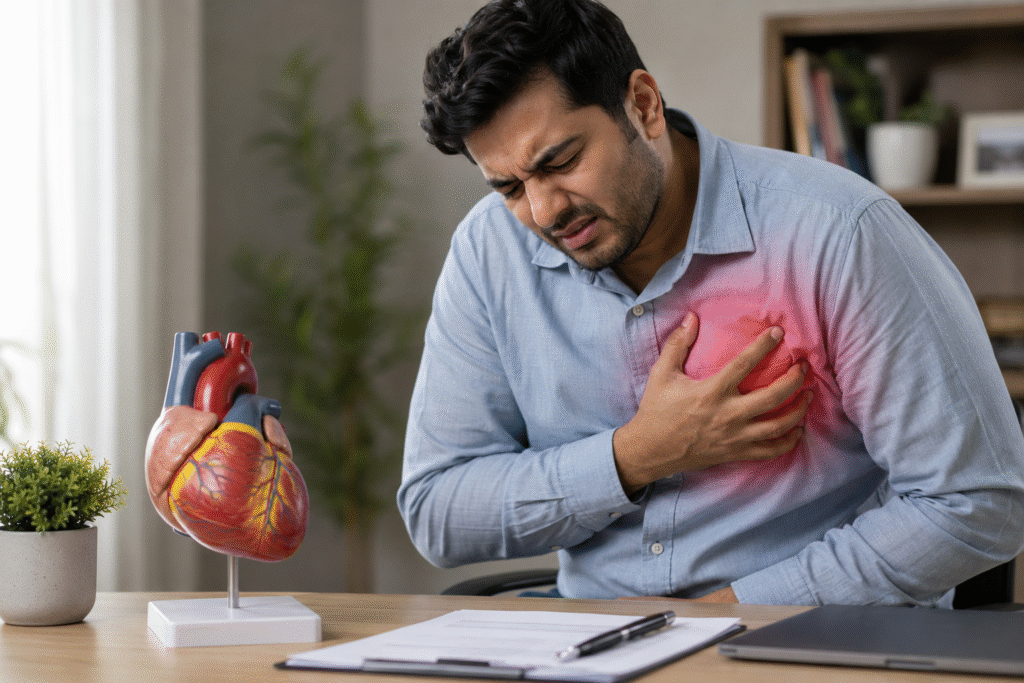
Heart disease often develops silently, making it difficult to detect in its early stages. However, certain warning signs should never be ignored. Chest pain or pressure is one of the most recognized symptoms and may occur during physical activity or even while resting. Many individuals also experience shortness of breath, unusual fatigue, dizziness, irregular heartbeat, swelling in the legs or ankles, and pain that spreads to the shoulders, arms, neck, jaw, or back. Women may experience symptoms differently, including nausea, indigestion, extreme tiredness, or upper back pain. Since symptoms vary from person to person, seeking medical attention whenever persistent or severe symptoms occur is extremely important.
Who Is at Higher Risk?
Certain individuals are more likely to develop heart disease than others. People with high blood pressure, diabetes, high cholesterol, obesity, or a family history of cardiovascular disease face a greater risk. Smoking, excessive alcohol consumption, and a sedentary lifestyle further increase the chances of heart-related complications. As people grow older, the risk naturally increases, but younger adults are no longer immune due to unhealthy modern lifestyles. Understanding personal risk factors allows individuals to make informed decisions about preventive healthcare and lifestyle improvements.
How Doctors Diagnose Heart Disease
Early diagnosis plays a vital role in preventing serious complications. Healthcare professionals use a combination of physical examinations, medical history, and diagnostic tests to evaluate heart health. Blood pressure measurements, cholesterol and blood sugar tests, electrocardiograms (ECG), echocardiograms, stress tests, CT scans, and coronary angiography are commonly used to identify abnormalities in heart function or blood circulation. Detecting heart disease at an early stage allows doctors to recommend effective treatments and lifestyle changes before the condition becomes more severe.

Treatment Options for Heart Disease
Treatment depends on the specific type and severity of heart disease. In many cases, doctors first recommend lifestyle changes such as improving diet, increasing physical activity, maintaining a healthy weight, and quitting smoking. Medications may be prescribed to lower blood pressure, reduce cholesterol levels, prevent blood clots, or regulate heart rhythm. In more advanced cases, procedures such as angioplasty, stent placement, or coronary artery bypass surgery may be necessary to restore proper blood flow. Following medical advice and attending regular follow-up appointments are essential for long-term heart health.
Lifestyle Changes That Protect Your Heart
Healthy daily habits play a major role in preventing heart disease. Eating a balanced diet rich in fruits, vegetables, whole grains, legumes, nuts, and healthy fats provides essential nutrients that support cardiovascular function. Regular physical activity strengthens the heart muscle, improves circulation, and helps maintain healthy blood pressure and cholesterol levels. Experts recommend at least 150 minutes of moderate exercise each week. Adequate sleep, effective stress management, avoiding tobacco products, limiting alcohol consumption, and maintaining a healthy body weight all contribute to a healthier heart and a lower risk of cardiovascular disease.
The Role of Herbal Tea in a Healthy Lifestyle
Many people include herbal tea as part of their daily wellness routine. Livisca Herbal Green Tea combines premium green tea with carefully selected herbs and can be enjoyed as a refreshing beverage alongside a balanced diet and active lifestyle. Green tea naturally contains antioxidants known as catechins, which help protect cells from oxidative stress. Replacing sugary beverages with unsweetened herbal tea may support healthier daily habits. However, it is important to understand that herbal tea is not a medicine and should never replace professional medical treatment or prescribed medications. Instead, it should be viewed as one component of an overall healthy lifestyle.
Tips to Keep Your Heart Healthy Every Day
Protecting your heart does not require drastic changes overnight. Small, consistent improvements often provide the greatest long-term benefits. Choosing home-cooked meals, drinking enough water, walking regularly, managing stress through meditation or relaxation techniques, getting seven to nine hours of quality sleep, avoiding smoking, monitoring blood pressure and cholesterol levels, and scheduling routine medical checkups can all contribute to better cardiovascular health. Building these habits gradually makes them easier to maintain and supports overall physical and mental well-being.
Conclusion
Heart disease remains one of the most common health challenges worldwide, but it is also one of the most preventable. Understanding its causes, recognizing early symptoms, identifying personal risk factors, and adopting healthier daily habits can significantly reduce the likelihood of developing serious cardiovascular problems. A nutritious diet, regular exercise, quality sleep, stress management, and routine medical care form the foundation of lifelong heart health. Enjoying Livisca Herbal Green Tea as part of a balanced lifestyle can complement these healthy habits, but lasting heart wellness depends on a comprehensive approach rather than any single food or beverage. By taking care of your heart today, you invest in a healthier and more active future.
Disclaimer: This article is intended for educational purposes only and should not be considered medical advice. Always consult a qualified healthcare professional for diagnosis, treatment, or concerns related to heart health.
