

What Is Herbal Tea? (Types and Ingredients)
When we first heard Herbal vs Green Tea, we assumed herbal tea was just another version of green tea—turns out, it’s completely different. Herbal tea isn’t actually “tea” in the traditional sense; it’s more like an infusion made from herbs, flowers, seeds, or roots. Think chamomile for sleep, peppermint for digestion, or hibiscus for that tangy taste. What we like is how flexible it feels—you can mix ingredients based on what your body needs that day. There’s no strict rulebook here, which makes it less intimidating if you’ve tried green tea and didn’t enjoy it. Also, if caffeine has ever made you jittery, herbal tea feels like a safer starting point.
Common Herbal Tea Ingredients Used in India
In India, herbal tea blends feel very close to home because many ingredients already exist in our kitchens. Tulsi, ginger, fennel (saunf), ajwain, and turmeric are commonly used, especially when digestion feels off. We’ve seen people rely on jeera water or ginger tea long before “detox teas” became a trend. Hibiscus and lemongrass are also gaining popularity, especially among those exploring Herbal vs Green Tea options for weight loss. What’s interesting is that these aren’t fancy imports—they’re simple, accessible, and often part of dadi-nani remedies. That familiarity makes it easier to trust the process, even if results take time.
Top Benefits of Herbal Tea
The benefits of herbal tea don’t hit you all at once—it’s more of a slow, steady improvement kind of thing. We’ve noticed it works best for people dealing with everyday issues like bloating, irregular digestion, or even mild anxiety. Unlike quick fixes, herbal tea feels more supportive than aggressive. It’s also easier to stick to because you’re not forcing yourself through a bitter taste every day. When comparing Herbal vs Green Tea, herbal options often win for comfort and long-term consistency. And honestly, consistency is where most of us struggle, not knowledge.
Herbal Tea for Digestion and Detox
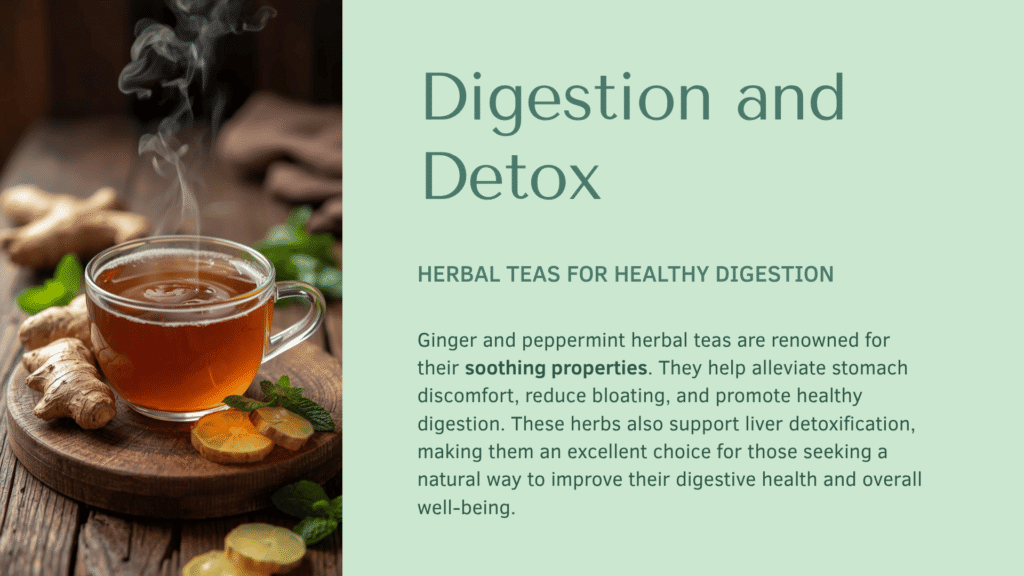
There were days when green tea just made our stomach feel more acidic instead of better. That’s where herbal tea stepped in, especially blends with ginger, fennel, or peppermint. These ingredients are known for easing bloating and helping food move better through the system. The benefits of herbal tea here feel practical—you drink it after a heavy meal and actually notice less discomfort. It’s not a dramatic “detox,” but more like gentle support your gut appreciates. In the Herbal vs Green Tea debate, this is one area where herbal tea often feels more reliable.
Herbal Tea for Hormonal Balance and PCOS
If you’re dealing with PCOS or hormonal ups and downs, you’ve probably tried a dozen things already. We’ve seen people turn to spearmint tea or cinnamon-based blends when exploring Herbal vs Green Tea for hormone balance. While it’s not a cure, the benefits of herbal tea here feel calming and supportive, especially when paired with lifestyle changes. The biggest win is that it doesn’t overstimulate your system like caffeine sometimes can. It’s subtle, yes—but sometimes subtle is exactly what your body needs.
Herbal Tea for Immunity Boost
During seasonal changes or when everyone around us is falling sick, herbal tea becomes more of a daily ritual than a “health hack.” Ingredients like tulsi, ginger, and turmeric are often used for their natural immunity support. The benefits of herbal tea in this case feel preventive rather than reactive. We don’t expect instant results, but over time, it feels like the body handles minor infections better. Compared to Herbal vs Green Tea, herbal blends feel warmer and more comforting when you’re already under the weather.
What Is Green Tea and What Are Its Benefits?
What Is Green Tea? Origin and Processing
Green tea comes from the same plant as black tea, but the way it’s processed makes all the difference. The leaves are quickly heated after plucking, which helps retain antioxidants—this is where most of the benefits of green tea come from. When we first tried it, the taste felt a bit… grassy and unfamiliar, not everyone enjoys it right away. But over time, many people stick with it because of its reputation in the Herbal vs Green Tea conversation, especially around weight loss. It’s more structured compared to herbal tea—less experimental, more standardised.
Types of Green Tea Popular in India
In India, you’ll mostly come across green tea bags, loose-leaf green tea, and a few flavoured options like lemon or tulsi-infused variants. Brands have made it easier to access, but quality still varies a lot. Some people also explore Japanese types like matcha, though it’s a bit more niche. When comparing Herbal vs Green Tea , green tea feels more “mainstream” and widely marketed. But that also means expectations are higher—and sometimes unrealistic.
Top Benefits of Green Tea
The benefits of green tea are often linked to metabolism, antioxidants, and overall wellness. But let’s be honest—not everyone sees instant results. We’ve heard plenty of people say, “I drank green tea for weeks and nothing changed.” The truth is, it works best when combined with proper diet and movement. In the Herbal vs Green Tea comparison, green tea leans more toward measurable health goals rather than comfort.
Green Tea for Weight Loss and Metabolism
When it comes to herbal tea vs green tea for weight loss, green tea usually gets more attention. It contains compounds like catechins that may support fat burning, especially if you’re already active. But it’s not magic—just swapping chai with green tea won’t do much on its own. The benefits of green tea here show up gradually, and only if you’re consistent. For some, it works; for others, it feels overhyped.
Green Tea for Heart Health and Cholesterol
Some studies link the benefits of green tea to improved cholesterol levels and better heart health. But in real life, most of us don’t notice these changes directly—it’s more of a long-term investment. People who already follow a balanced diet may see better results. In the Herbal vs Green Tea debate, this is where green tea gets a slight edge scientifically.
Green Tea for Antioxidants and Skin Health
Green tea is often praised for its antioxidants, which are believed to support skin health. While it sounds great on paper, results vary a lot. Some people feel their skin improves; others don’t notice much difference. The benefits of green tea here depend heavily on overall lifestyle, hydration, and diet. It’s helpful, but not a miracle fix.
Herbal vs Green Tea: Key Differences and Which Is Better?
Herbal vs Green Tea Caffeine Content
One of the biggest differences in herbal tea vs green tea caffeine is pretty simple—herbal tea is usually caffeine-free, while green tea contains a mild amount. If you’ve ever felt restless after green tea, you’re not imagining it. We’ve seen people switch to herbal tea just to avoid that slight jitteriness. So in the Herbal vs Green Tea comparison, caffeine tolerance becomes a deciding factor more than anything else.
Which Tea Is Better for Daily Consumption?
For daily use, it really depends on your routine. If you enjoy a mild energy boost in the morning, green tea can fit in well. But if you’re someone who drinks tea multiple times a day, herbal options feel easier on the system. In the Herbal vs Green Tea debate, herbal tea often wins for flexibility and fewer side effects.
Herbal vs Green Tea for Weight Loss
The herbal tea vs green tea for weight loss discussion can get confusing fast. Green tea may help with fat metabolism, but herbal tea helps control cravings and digestion. We’ve noticed people stick longer with herbal tea because it feels less like a “task.” So the better option is often the one you can stay consistent with.
Which Tea Helps Burn Fat Faster?
If we’re being honest, green tea probably has a slight edge in fat burning due to its active compounds. But “faster” doesn’t always mean “better” if it doesn’t suit your body. In the Herbal vs Green Tea comparison, sustainability matters more than speed.
Herbal vs Green Tea: Side Effects and Safety
Both options are generally safe, but not completely side-effect free. Green tea can cause acidity or sleep issues if taken late, while herbal tea depends heavily on ingredients—some may not suit everyone. We’ve seen people react differently, which makes the Herbal vs Green Tea choice very personal.
Who Should Avoid Herbal or Green Tea?
If you’re sensitive to caffeine, green tea might not be ideal, especially in the evening. On the other hand, certain herbal ingredients may not be suitable during pregnancy or specific medical conditions. It’s always better to check what’s inside your cup before making it a habit.
Final Verdict: Herbal vs Green Tea – Which One Should You Choose?
At the end of the day, the Herbal vs Green Tea decision isn’t about which one is “best” universally. It’s about what works for your body, your routine, and your goals. If you need metabolism support, green tea might help. If you’re dealing with digestion, hormones, or caffeine issues, herbal tea feels more practical. We usually suggest trying both for a couple of weeks and paying attention to how you feel—not just what the internet promises.
