


When we talk about Fitness and Lifestyle today, it rarely fits into a neat routine anymore. Most of us are juggling work, screens, deadlines, and somehow trying to squeeze in a bit of Healthy Living between all that. It’s not just about hitting the gym—it’s how we move, eat, think, and even how we rest when things get overwhelming. We’ve noticed that the idea of a perfect Fitness Routine often falls apart when real life steps in. Some days feel productive, others feel like a complete reset, and honestly, that’s normal. Modern living has changed how we approach our bodies and minds. We’re no longer chasing extremes; we’re trying to build something that fits into our everyday chaos. It’s messy, a bit inconsistent, but it’s real. And that’s where things actually start to work.
Understanding Fitness Beyond Exercise
For a long time, we thought fitness meant sweating it out for an hour and calling it a day. But over time, we’ve realized Fitness and Lifestyle goes way beyond just a structured Workout Plan. It’s the way we sit for hours without noticing, or how drained we feel even after doing “nothing.” Fitness quietly shows up in our posture, our energy levels, and even our mood. We’ve had days where skipping a workout didn’t matter, but skipping movement entirely did. That’s the difference. Daily Healthy Habits like walking, stretching, or even taking breaks matter more than we initially believed. Exercise is just one piece of a much bigger picture. Once we stop isolating fitness as a task, it starts blending naturally into how we live.
Physical, Mental, and Emotional Wellness Explained
It’s easy to focus only on physical results, but Mental Wellness often decides whether we stick to anything at all. We’ve had phases where the body felt fine, but motivation just disappeared for no clear reason. That’s where emotional balance comes in—it quietly affects our Fitness Routine more than we expect. Healthy Living isn’t just about strong muscles; it’s also about how we handle stress, setbacks, and those days when everything feels off. Sometimes, taking a break isn’t laziness—it’s necessary recovery. When physical, mental, and emotional health start working together, things feel less forced. It’s not perfect, but it becomes manageable. And honestly, that balance is what keeps us going long-term.
Why a Healthy Lifestyle Matters Today
Life moves fast now, almost too fast, and we often don’t realize how much it’s draining us. A consistent Fitness and Lifestyle approach helps us stay grounded, even when everything else feels unpredictable. We’ve seen how ignoring Daily Healthy Habits slowly turns into constant fatigue or low motivation. It doesn’t happen overnight, which is why it’s easy to miss. Nutrition and Fitness together play a huge role in keeping our energy stable throughout the day. Without that balance, even simple tasks feel heavier than they should. A Healthy Living approach isn’t about being strict—it’s about making life feel a little easier to handle. And that’s something most of us actually need.
Impact of Sedentary Habits and Digital Life


We spend more time sitting than we’d like to admit, whether it’s work, scrolling, or just unwinding. Over time, this kind of lifestyle quietly disrupts our Fitness Routine without us noticing right away. We’ve all had days where we feel oddly tired despite barely moving. That’s the effect of a sedentary pattern creeping in. Mental Wellness also takes a hit when our days revolve around screens and limited movement. It’s not just physical stiffness—it’s a general sense of low energy. Adding small Daily Healthy Habits like short walks or standing breaks can shift things more than we expect. It’s not about drastic change, just breaking the cycle little by little.
How to Build a Sustainable Fitness Routine
We’ve tried intense plans before, and most of them didn’t last beyond a few weeks. Building a Fitness Routine that sticks usually means starting smaller than we think we should. It’s less about motivation and more about what we can realistically repeat. A sustainable Workout Plan fits into our life instead of competing with it. Some days we do more, some days less, and that flexibility matters. Healthy Living isn’t built in perfect weeks—it’s built in imperfect, consistent ones. We’ve learned to adjust rather than quit when things don’t go as planned. Over time, that approach feels less exhausting and more natural.
Choosing the Right Workout for Your Goals
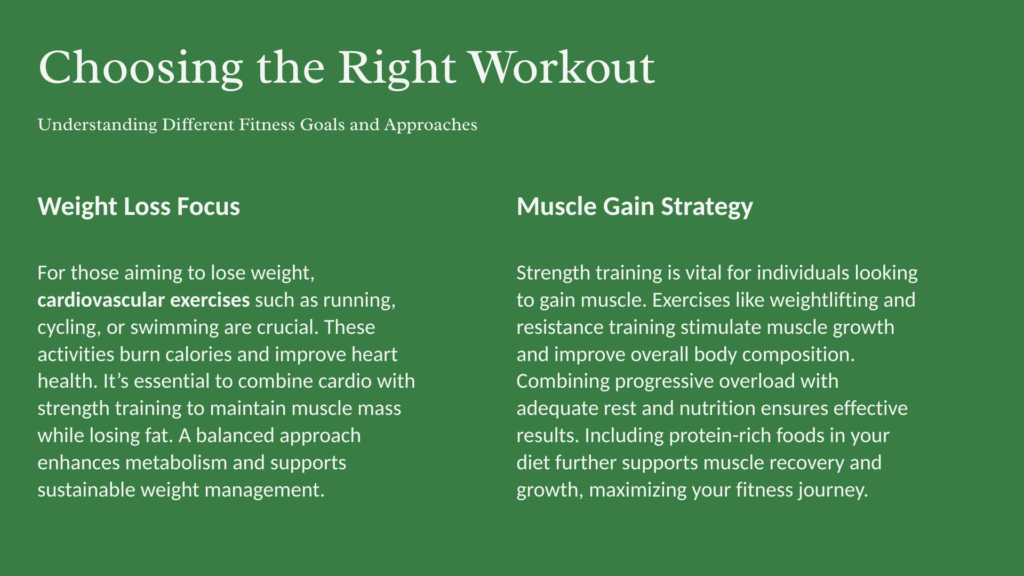
It’s easy to feel lost with so many workout options out there. We’ve all wondered whether we’re doing the “right” Workout Plan at some point. The truth is, the best choice depends on what we actually enjoy and can stick with. A Fitness Routine that feels like a chore rarely lasts. Whether it’s strength training, cardio, or something lighter, consistency matters more than perfection. Fitness and Lifestyle should feel adaptable, not rigid. We’ve found that experimenting a bit helps us understand what works for our body. Over time, it becomes less confusing and more intuitive.
Weight Loss, Muscle Gain, and Flexibility Options
Different goals need different approaches, but they don’t have to be complicated. We’ve noticed that trying to do everything at once often leads to burnout. A focused Workout Plan helps, but it still needs to stay realistic. Nutrition and Fitness go hand in hand here—one without the other rarely gives lasting results. Some days progress feels slow, and that’s where patience comes in. Whether it’s weight loss, muscle gain, or flexibility, the basics still matter. A consistent Fitness Routine built around simple actions usually works better than extreme plans. It’s not flashy, but it’s reliable.
Creating a Weekly Fitness Plan That Works
Planning a week sounds simple until life starts interrupting it. We’ve had weeks where our Fitness Routine looked perfect on paper but didn’t happen at all. That’s why a flexible Workout Plan works better than a rigid one. We try to leave room for busy days, low-energy days, and unexpected changes. Daily Healthy Habits can fill the gaps when full workouts aren’t possible. Even a shorter session counts more than skipping entirely. Over time, this approach makes Healthy Living feel less stressful and more doable. It’s about consistency across weeks, not perfection in one.
Beginner vs Advanced Workout Schedules
Starting out or leveling up both come with their own challenges. Beginners often feel overwhelmed, while advanced routines can become exhausting to maintain. We’ve been on both sides, and neither is as straightforward as it looks. A good Fitness Routine matches where we are right now, not where we think we should be. Workout Plans don’t need to be complicated to be effective. Sometimes, simplifying actually brings better results. Fitness and Lifestyle should evolve gradually instead of jumping between extremes. That way, it stays sustainable.
Importance of Consistency and Recovery
We used to think pushing harder was always better, but that mindset didn’t last long. Consistency in a Fitness Routine matters more than intensity. At the same time, recovery is what allows that consistency to continue. Skipping rest usually leads to burnout sooner than we expect. Mental Wellness also improves when we stop forcing ourselves every day. A balanced Fitness and Lifestyle approach includes both effort and rest. Over time, that balance keeps us from quitting altogether.
Role of Sleep and Rest Days in Fitness
Sleep often gets ignored, but it quietly affects everything. We’ve had phases where workouts felt harder simply because we weren’t resting enough. A proper Fitness Routine includes rest days, even if we feel like we should push through. Healthy Living isn’t about constant activity—it’s also about recovery. Mental Wellness improves when we give ourselves permission to slow down. Sleep helps with energy, focus, and even motivation. Without it, everything else feels off.
Healthy Lifestyle Habits for Long-Term Wellness
Long-term Healthy Living is built on habits that don’t feel forced. We’ve learned that small Daily Healthy Habits matter more than occasional big efforts. Drinking enough water, moving regularly, and managing stress all add up over time. A consistent Fitness and Lifestyle approach doesn’t rely on motivation alone. It becomes part of how we live. Some days are better than others, but that’s expected. What matters is not giving up completely.
Balanced Nutrition for Everyday Energy
Food plays a bigger role than we sometimes realize. A balanced approach to Nutrition and Fitness helps maintain steady energy throughout the day. We’ve noticed that skipping meals or eating randomly affects our mood and focus.

A simple, consistent eating pattern supports our Fitness Routine better than strict diets. Healthy Living doesn’t mean cutting everything we enjoy. It’s about balance, not restriction. Over time, that approach feels easier to maintain.
Macronutrients, Hydration, and Meal Timing
Understanding basics like macronutrients sounds technical, but it becomes practical with time. We’ve found that balancing protein, carbs, and fats supports our Workout Plan without overthinking it. Hydration also plays a bigger role than we expect. Even slight dehydration can affect energy levels. Nutrition and Fitness work best when they’re simple and consistent. Meal timing doesn’t have to be perfect, just regular enough to support our day. Over time, it becomes second nature.
Managing Stress and Mental Health
Stress shows up in ways we don’t always notice right away. It affects our Fitness Routine, our sleep, and even our motivation. We’ve had days where doing nothing felt exhausting, and that usually traced back to stress. Managing it is part of Healthy Living, not separate from it. Mental Wellness improves when we slow down and reset occasionally. It’s not about removing stress completely, just handling it better.
Mindfulness, Meditation, and Work-Life Balance
Finding balance between work and personal time isn’t always easy. We’ve struggled with it more than we’d like to admit. Simple practices like mindfulness or short breaks can improve Mental Wellness over time. They don’t need to be perfect or long. A balanced Fitness and Lifestyle includes mental space, not just physical activity. Over time, these habits help us stay more present and less overwhelmed.
Daily Habits to Stay Active and Motivated
Motivation comes and goes, so we rely more on routine. Small Daily Healthy Habits help us stay active even when we don’t feel like it. Some days it’s a full Workout Plan, other days it’s just moving a bit more. That still counts. A consistent Fitness Routine is built on showing up, not feeling perfect. Over time, these small efforts build momentum.
Simple Lifestyle Changes for Busy People
Busy schedules make Healthy Living feel difficult, but not impossible. We’ve learned to fit movement into small pockets of time instead of waiting for the “perfect” moment. A quick walk, stretching, or adjusting our routine slightly can make a difference. Fitness and Lifestyle doesn’t need hours every day. It just needs consistency. Over time, these small changes become part of our routine without feeling overwhelming.


