


Supporting someone struggling mentally is one of the most meaningful yet challenging roles a person can take on. It requires patience, awareness, emotional intelligence, and the ability to balance care with boundaries. This guide explains how to recognize signs, offer meaningful support, and maintain personal well-being while helping someone through difficult times.
How can you recognize when someone struggling mentally needs support?

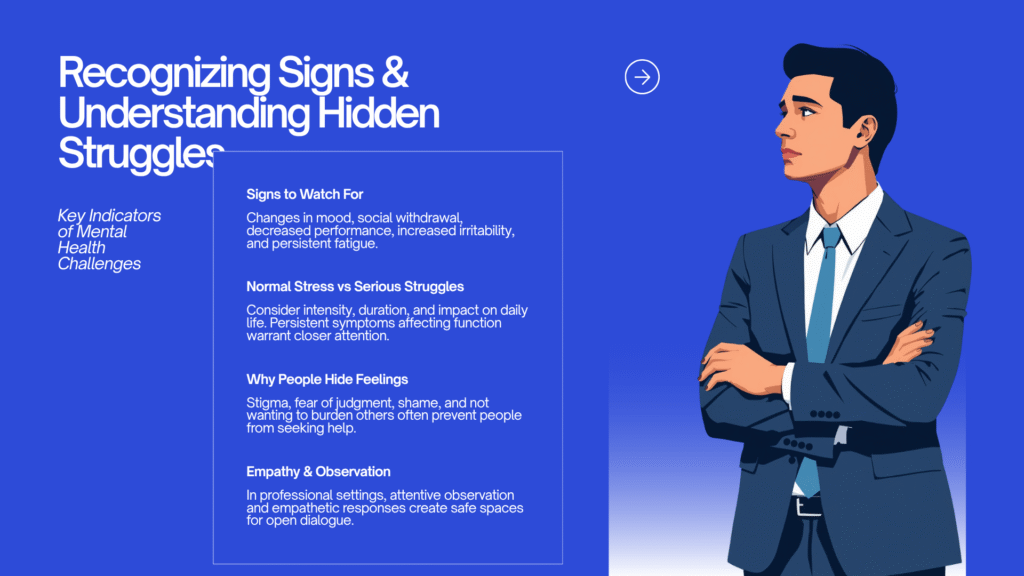
Recognizing someone struggling mentally begins with observing emotional shifts, behavioral changes, and withdrawal from normal routines. Persistent sadness, irritability, isolation, or noticeable lifestyle changes are often early indicators that someone may need support and understanding.
People rarely express their struggles openly. Instead, their emotions and behaviors provide clues. Paying attention to patterns over time—rather than isolated incidents—helps in identifying when someone may be dealing with deeper mental health challenges.
What are the early signs that someone struggling mentally may show?
Early signs are often subtle but consistent. These may include mood swings, loss of interest in activities, fatigue, and difficulty focusing. Such signs can gradually intensify if not addressed.
How do emotional changes indicate someone is struggling mentally?
Emotional changes are often the first visible indicators. These may include:
- Persistent sadness or hopelessness
- Increased irritability or frustration
- Heightened anxiety or worry
- Emotional numbness or detachment
For example, a person who was once outgoing may become withdrawn or unusually quiet, signaling internal distress.
What behavioral patterns should you watch for in someone struggling mentally?
Behavioral changes are easier to observe and often include:
- Avoiding social situations
- Changes in sleep patterns
- Neglecting responsibilities
- Losing interest in hobbies
These patterns usually reflect underlying emotional struggles that may not be verbally expressed.
How can you tell the difference between normal stress and serious mental struggles?
Normal stress tends to be temporary and linked to specific events, while issues in someone struggling mentally persist over time and interfere with daily life, relationships, and overall functioning.
Stress becomes concerning when it lingers and begins to affect multiple areas of life. Unlike everyday stress, deeper struggles do not resolve easily without support.
When does stress become a mental health concern?
Stress may become a mental health concern when:
- It lasts for several weeks or longer
- It disrupts sleep or appetite
- It impacts work, school, or relationships
- It leads to emotional instability
What are red flags that someone struggling mentally may need urgent help?
Certain warning signs indicate the need for immediate attention:
- Talking about self-harm or feeling hopeless
- Sudden and extreme withdrawal
- Drastic mood changes
- Engaging in risky behavior
These signs should never be ignored and may require professional intervention.
Why do people struggling mentally often hide their feelings?
Many individuals hide their struggles due to fear, shame, or the belief that they might burden others. This makes it harder to identify someone struggling mentally until their condition becomes more severe.
What fears prevent someone struggling mentally from opening up?
Common fears include:
- Being judged or misunderstood
- Appearing weak or vulnerable
- Losing relationships or respect
These fears often create emotional barriers that prevent open communication.
How does stigma impact someone struggling mentally?
This can lead to:
- Delayed treatment
- Increased isolation
- Worsening symptoms
How can you effectively support someone struggling mentally in everyday life?
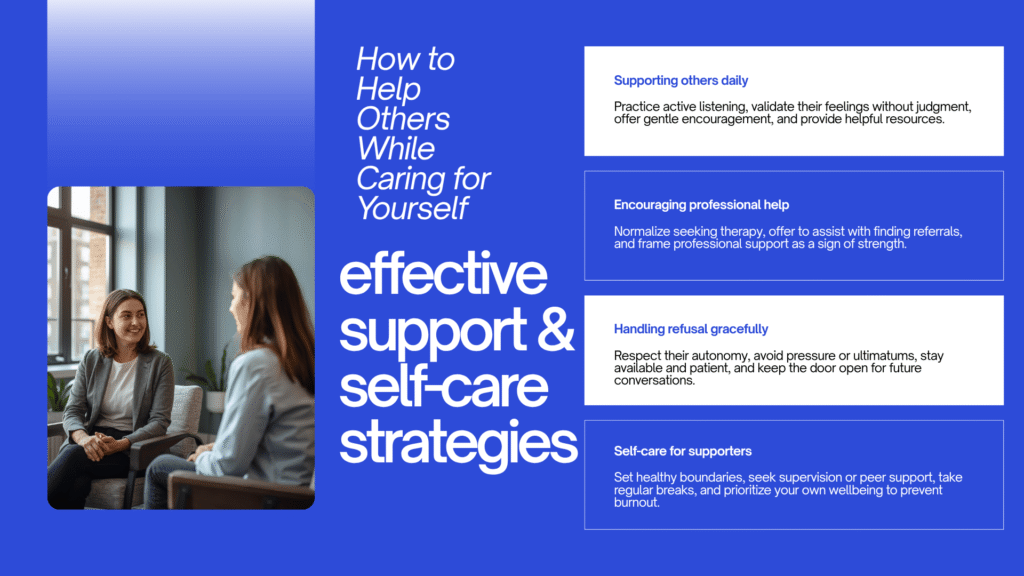
Supporting someone struggling mentally involves open communication, consistent presence, empathy, and encouragement toward healthy habits and professional help when needed.
Support is less about solving problems and more about being present and reliable. Even small, thoughtful actions can make a significant difference.
What is the best way to talk to someone struggling mentally?
The most effective way to communicate with someone struggling mentally is through patience, openness, and non-judgmental language. Creating a safe space for conversation allows them to express their feelings freely.
How can you start a conversation without making them uncomfortable?
A gentle approach works best:
- Choose a quiet and private setting
- Use open-ended questions
- Express concern without pressure
Examples include:
- “They’ve noticed things seem difficult lately—would they like to talk?”
- “They’re here if they need someone to listen.”
What phrases should you avoid when someone is struggling mentally?
Avoid dismissive or minimizing statements such as:
- “Just stay positive”
- “Others have it worse”
- “You’ll be fine”
Instead, focus on supportive language:
- “That sounds really tough”
- “They’re here for support”
How can active listening help someone struggling mentally feel supported?
Active listening helps someone struggling mentally feel understood and valued. It involves giving full attention, acknowledging emotions, and responding thoughtfully without interrupting or judging.
What are practical active listening techniques?
- Maintain eye contact
- Avoid interruptions
- Reflect back what they say
- Ask gentle follow-up questions
These techniques show genuine interest and care.
How do you show empathy to someone struggling mentally?
Empathy involves understanding their feelings without trying to fix everything. Simple responses like:
- “That must feel overwhelming”
- “It makes sense they feel that way”
can create a strong emotional connection.
What practical ways can you help someone struggling mentally daily?
Daily support plays a crucial role in recovery and stability.
How can you support their routine and healthy habits?
Encouraging structure can help:
- Promote regular meals
- Support consistent sleep patterns
- Encourage light exercise
- Help create a simple daily schedule
Small steps can significantly reduce feelings of chaos.
How do small acts of kindness impact someone struggling mentally?
Simple gestures often have a powerful effect:
- Sending a thoughtful message
- Checking in regularly
- Helping with everyday tasks
These actions reinforce that they are not alone.
How can you encourage someone struggling mentally to seek professional help?
Encouraging someone struggling mentally to seek professional help requires sensitivity, patience, and reassurance. The goal is to support—not pressure—them into taking that step.
When should you suggest therapy or counseling?
It may be appropriate when:
- Symptoms persist over time
- Daily functioning declines
- Emotional distress increases
How do you approach the topic without pressure?
- Normalize seeking help
- Offer to assist in finding resources
- Respect their pace and decision
How can you take care of yourself while helping someone struggling mentally?
Taking care of personal well-being is essential when supporting someone struggling mentally. Without self-care, emotional exhaustion can reduce the ability to provide effective and sustainable support.
Maintaining balance ensures that support remains helpful rather than overwhelming.
Why is it important to set boundaries when supporting someone struggling mentally?
Boundaries help maintain a healthy balance between offering support and protecting personal well-being. They ensure that both individuals feel respected and not overwhelmed.
What healthy boundaries should you establish?
- Limit availability when feeling drained
- Avoid becoming the only support system
- Set emotional limits
How do boundaries protect both you and the person struggling mentally?
They:
- Prevent emotional dependency
- Encourage independence
- Maintain healthier relationships
How can you avoid emotional burnout while supporting someone struggling mentally?
Avoiding burnout requires recognizing limits and taking intentional steps to recharge.
What are signs you are becoming overwhelmed?
- Constant fatigue
- Irritability
- Emotional exhaustion
- Loss of motivation
How can you recharge while still being supportive?
- Take regular breaks
- Stay connected with others
- Maintain hobbies
- Practice relaxation techniques
What should you do if someone struggling mentally refuses help?
If someone struggling mentally refuses help, it is important to remain patient and supportive without forcing decisions.
How do you remain supportive without forcing change?
- Respect their choices
- Keep communication open
- Offer reassurance consistently
When should you involve others or seek external help?
Consider additional support when:
- There is risk of harm
- Symptoms worsen significantly
- Isolation becomes extreme
How can you build a long-term support system for someone struggling mentally?
Building a strong support system ensures that care is consistent and shared among multiple people.
What role do friends, family, and community play?
Each plays a unique role:
- Friends provide emotional connection
- Family offers stability
- Community provides resources and belonging
How can consistency improve outcomes for someone struggling mentally?
Consistency builds trust and reduces uncertainty. Regular support helps create a sense of safety and predictability, which is essential for recovery.
Comparison: Normal Stress vs Someone Struggling Mentally
| Aspect | Normal Stress | Someone Struggling Mentally |
|---|---|---|
| Duration | Short-term | Long-lasting |
| Impact | Manageable | Disruptive |
| Emotional State | Temporary frustration | Persistent sadness/anxiety |
| Functionality | Mostly intact | Declines significantly |
| Recovery | Quick | Requires support or treatment |
Final Thoughts
Being there for someone struggling mentally is not about having perfect solutions—it is about showing up with empathy, patience, and consistency. Small actions, active listening, and genuine care can make a lasting difference.
At the same time, maintaining personal boundaries and emotional health ensures that support remains sustainable. With the right balance, helping someone through mental challenges becomes a meaningful and impactful experience.


